
The clarification came a day after a heated stand-off between Speaker Om Birla and Gandhi, who was disallowed from quoting the memoir during the Motion of Thanks debate on the President’s address.
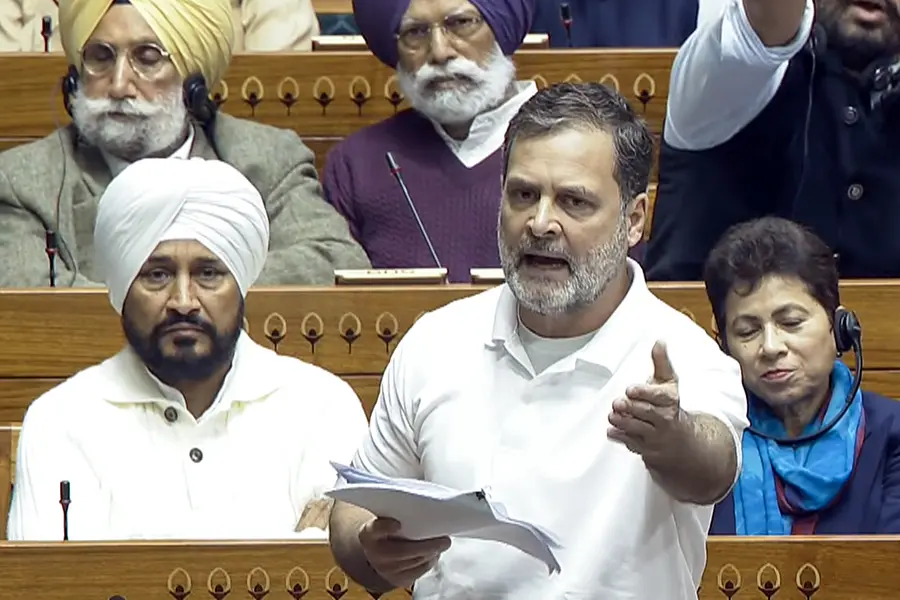
New Delhi: A parliamentary expert has weighed in on the controversy surrounding Congress leader Rahul Gandhi’s attempt to cite passages from the unpublished memoir of former Army chief General M M Naravane in the Lok Sabha, saying Rule 349 the Rules of Procedure and Conduct of Business in Lok Sabha does not distinguish between published and unpublished works but requires relevance to House business.
The clarification came a day after a heated stand-off between Speaker Om Birla and Gandhi, who was disallowed from quoting the memoir during the Motion of Thanks debate on the President’s address. Speaker Birla invoked Rule 349, which bars members from reading books, newspapers or letters unless connected to the business of the House.
Also Read

Former Lok Sabha secretary general P D T Achary explained that while the rule is negatively framed, it has a positive meaning: members may quote documents if they are relevant to proceedings. He added that speakers have traditionally required members to authenticate documents before quoting them, with responsibility then shifting to the government to respond. He cautioned that quoting false or misleading material could invite a privilege motion.
"He or she has to mention that they stand by it and also verify the content of the document being quoted," the constitution expert stated.
Once the document is verified, the speaker may allow the member to quote it, after which it becomes the government’s responsibility to respond.
On Monday, Gandhi insisted on quoting from a news report carrying excerpts of the memoir, prompting repeated adjournments. Defence Minister Rajnath Singh questioned how unpublished material could be cited, while BJP leaders accused Gandhi of undermining Parliament’s dignity and demoralising soldiers. Gandhi countered that the government was “afraid” of a line he wished to cite, escalating tensions in the House.
Many ruling party ministers asked Gandhi to stop "speaking the language of anti-India elements".
PTI
Published: 03 Feb 2026, 01:55 pm IST
Related Topics
Disclaimer: Kindly avoid objectionable, derogatory, unlawful and lewd comments, while responding to reports. Such comments are punishable under cyber laws. Please keep away from personal attacks. The opinions expressed here are the personal opinions of readers and not that of Mathrubhumi.