
This is not the first time the city has grappled with extreme air quality issues
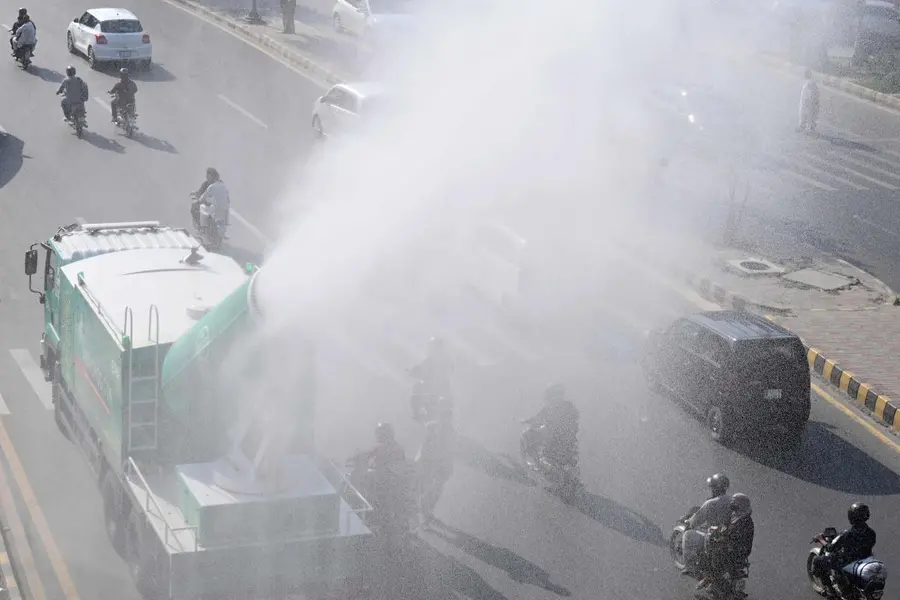
Lahore: Lahore has once again claimed the grim title of the most polluted city in the world, as recorded air quality levels reached hazardous levels over the weekend, according to global air monitoring data reported by ARY News.
The city’s overall Air Quality Index (AQI) was measured at 274, placing it in the “very unhealthy” category. However, pollution levels varied starkly across different localities. Allama Iqbal Town reported an alarming AQI of 459, while Gulberg recorded 396, Shadman 384, Model Town 362, and Lahore Airport 398.
Despite the citywide average AQI standing at 183—deemed unhealthy for the general public—officials expressed hope for some improvement later in the day, with increased wind activity expected to help disperse the pollutants.
Environmental authorities have once again urged residents, particularly vulnerable groups such as children, the elderly, and those with respiratory conditions, to limit unnecessary outdoor exposure.
Steps to tackle
In a bid to tackle the city’s worsening smog crisis, the Punjab government recently launched its first anti-smog gun operation in Lahore. The initiative, rolled out in the Kahna area, reportedly led to a significant 70% drop in air pollution levels, with the AQI falling dramatically from 666 to 170, according to official figures.
Senior Provincial Minister Marriyum Aurangzeb shared a video of the operation on social media platform X, lauding the effort as a “remarkable success” under the direction of Chief Minister Maryam Nawaz Sharif. “This 70% decrease in air pollution has been scientifically analysed and confirmed by our advanced environmental monitoring system,” she stated.
This is not the first time the city has grappled with extreme air quality issues. On 11 January earlier this year, Lahore faced a similar crisis when its AQI surged to 529—categorised as “hazardous”—making it the second most polluted city globally at the time. The primary pollutant, PM2.5, was recorded at concentrations 35.6 times higher than the World Health Organization’s recommended limits.
Published: 19 Oct 2025, 02:41 pm IST
Related Topics
Disclaimer: Kindly avoid objectionable, derogatory, unlawful and lewd comments, while responding to reports. Such comments are punishable under cyber laws. Please keep away from personal attacks. The opinions expressed here are the personal opinions of readers and not that of Mathrubhumi.
