
Kamal Haasan’s recent appeal to Prime Minister Narendra Modi to expedite the recognition of Keeladi’s antiquity stems from this site’s potential to reshape the historical narrative of South India
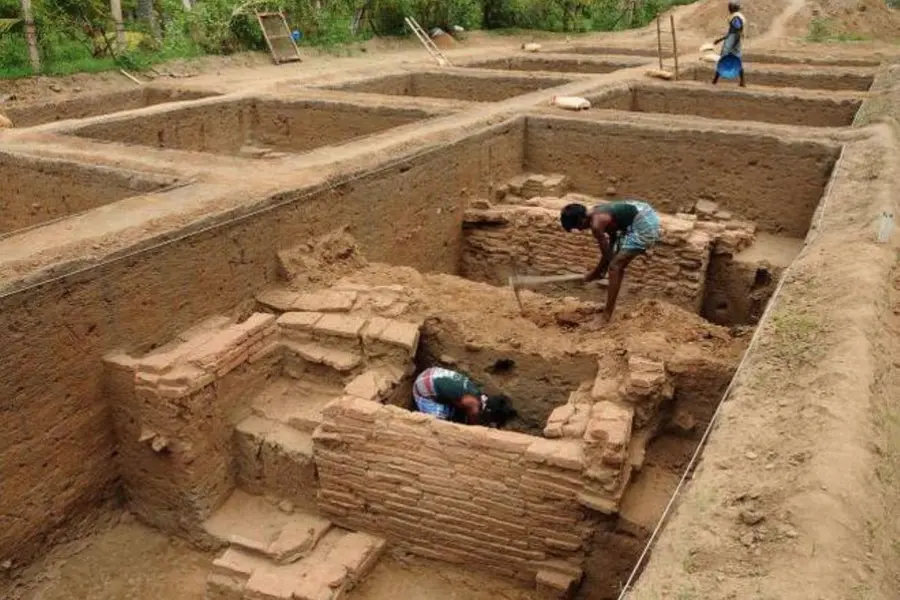
Chennai: The Keeladi archaeological site in Tamil Nadu has emerged as a cultural and historical focal point in recent years, offering compelling evidence of an ancient, urban Tamil civilisation that predates many classical Indian settlements. Located about 12 kilometres from Madurai, on the banks of the Vaigai River, Keeladi has been the subject of multiple excavation phases since 2015, conducted by both the Archaeological Survey of India (ASI) and the Tamil Nadu State Department of Archaeology.
Kamal Haasan’s recent appeal to Prime Minister Narendra Modi to expedite the recognition of Keeladi’s antiquity stems from this site’s potential to reshape the historical narrative of South India. Haasan has long been a vocal advocate for Tamil heritage, and Keeladi represents a critical piece of that legacy.
What the Keeladi culture reveals
The Keeladi excavations have uncovered over 15,000 artefacts, including pottery with Tamil-Brahmi inscriptions, graffiti marks, terracotta figurines, spindle whorls, beads, and iron tools. These findings point to a literate, industrially active, and urban society that thrived along the Vaigai River during the Sangam period--estimated to be from the 6th century BCE to 3rd century CE.
One of the most significant revelations is the continuity between the material culture of Keeladi and the ancient Sangam literature, suggesting that Tamil civilisation was not only deeply rooted but also highly sophisticated during a period previously thought to lack urban development in southern India.
A political and cultural flashpoint
The cultural implications of Keeladi have led to ongoing debates between the Centre and the DMK-led Tamil Nadu government. While the state asserts that the findings reinforce the antiquity and autonomy of Tamil civilisation, critics allege that the Centre has been slow to formally acknowledge or promote the site's significance at the national and global level.
Kamal Haasan’s symbolic gesture of gifting the Prime Minister a Keeladi-themed memento during their meeting underscores the cultural pride attached to the site.
His call for national recognition is not just about archaeology--it’s about restoring Tamil identity to its rightful historical prominence.
Why recognition matters
Formal recognition of Keeladi’s antiquity at the national level could pave the way for UNESCO World Heritage Site status, increased funding for research, better preservation of artefacts, and enhanced global awareness of Tamil contributions to early human civilisation.
Published: 07 Aug 2025, 09:34 pm IST
Related Topics
Disclaimer: Kindly avoid objectionable, derogatory, unlawful and lewd comments, while responding to reports. Such comments are punishable under cyber laws. Please keep away from personal attacks. The opinions expressed here are the personal opinions of readers and not that of Mathrubhumi.
