
Residents across Kashmir celebrated a two-week US-Iran ceasefire, waving Iranian flags and distributing traditional kehwa
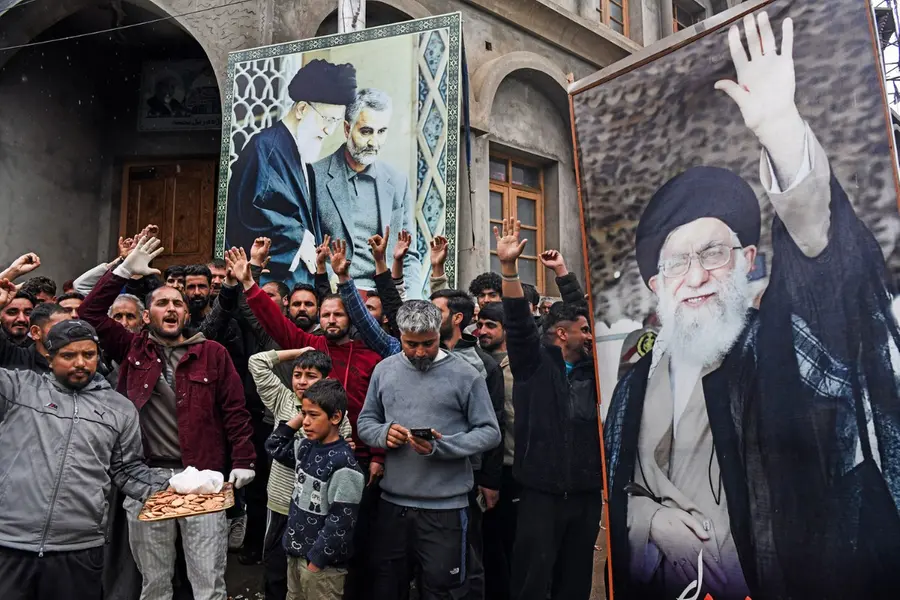
Srinagar: Historic scenes of celebration unfolded across the Kashmir Valley on Wednesday after Washington and Tehran announced a two‑week ceasefire in their conflict. Crowds gathered in numerous districts, particularly in areas with large Shia communities, to welcome a pause in hostilities that many residents described as a significant achievement for Iran.
In parts of Srinagar such as Saidakadal and Zadibal, as well as in Budgam, Baramulla, Ganderbal and Pulwama, people marched through the streets waving Iranian flags, lighting firecrackers and sharing traditional Kashmiri kehwa. Hundreds expressed joy and relief at the diplomatic development after weeks of tension.
Local displays of solidarity
Participants in the celebrations characterised the truce as a moment when global powers were compelled to negotiate. In many of the Shia‑dominated pockets of the valley, residents described the ceasefire as a symbolic accomplishment for the Islamic Republic and a reason to rejoice.
The jubilant atmosphere also echoed earlier displays of support for Iran. In recent weeks, large‑scale fundraisers took place across the region, with donations collected in solidarity with the Iranian people. Some residents refer to Kashmir as “Iran‑e‑Sagheer”, or “Little Iran”, reflecting long‑standing cultural and religious affinities.
What the ceasefire involves
The diplomatic breakthrough came after US President Donald Trump announced a suspension of bombing and attack operations against Iran, accepting a proposal from Tehran that outlines conditions for a temporary halt in fighting. Trump described the development as a positive step for world peace and indicated that the United States would help ensure smooth traffic through the Strait of Hormuz to support reconstruction and trade.
Under the agreement, Iran has consented to a two‑week pause in military operations and to guarantee safe passage through the strategically important Strait of Hormuz, a vital maritime corridor for global energy supplies.
Local political leaders question the truce
Despite the celebratory mood on the streets, some political figures in Kashmir were critical of Washington’s broader motives. Omar Abdullah, the chief minister, questioned what tangible gains the United States had achieved after nearly 40 days of conflict. He pointed to reports about the reopening of the Strait of Hormuz, stating that it had already been open and freely accessible before the war began. Abdullah used the hashtag “UnjustWar” in a post on X to underscore his scepticism about the outcome of the ceasefire.
A similar sentiment was voiced by Aga Syed Mujtaba Abbas of the J&K Anjuman Sharie Shian, who said the United States had been “defeated” and only entered negotiations to protect global trade routes.
With agency inputs
Published: 08 Apr 2026, 05:07 pm IST
Related Topics
Disclaimer: Kindly avoid objectionable, derogatory, unlawful and lewd comments, while responding to reports. Such comments are punishable under cyber laws. Please keep away from personal attacks. The opinions expressed here are the personal opinions of readers and not that of Mathrubhumi.
