
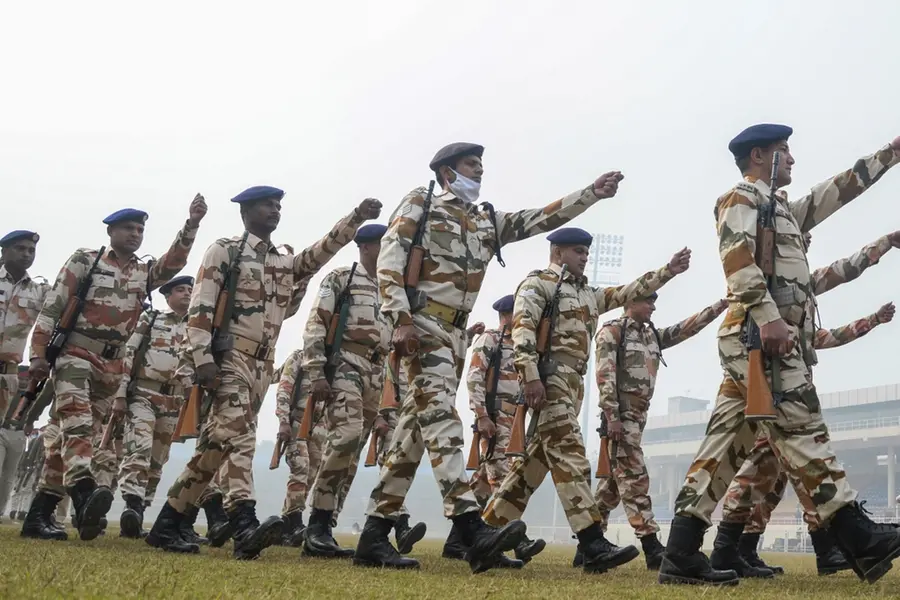
The Indo-Tibetan Border Police (ITBP) has instructed its field units not to accept gender change applications from personnel, citing apprehensions expressed by the medical wing of the Central Armed Police Forces (CAPFs) regarding the psychological and operational effects of such procedures.
The instruction was given two days ago after a request by a female ITBP personnel to be allowed to undergo gender transition surgery, official sources confirmed.
MHA, DoPT and CAPFs consulted
Adopting a 'considerate' stance, the ITBP headquarters approached the Ministry of Home Affairs (MHA) since there are no guidelines presently available in the central service conduct rules or the ITBP Act on gender transition.
The MHA, after considering the matter with the Department of Personnel and Training (DoPT), suggested that ITBP take the opinion of the medical directorate of the CAPFs before arriving at a policy decision.
Concerns of Medical Directorate
The CAPF medical branch provided a formal opinion as follows: "Gender change cannot be entertained or allowed in the force as it will have a detrimental effect on the psychology and demeanor of personnel."
It also brought to the forefront that male and female recruits receive different physical testing, and after transition, the parameters would cease to match with the current eligibility criteria.
On this basis of this advice, gender transformation was "not advisable" in the case at hand.
Subsequent cases to follow the same policy
Now, ITBP has circulated an order among all field organizations, directing them to adopt the opinion of CAPF medical wing in dealing with similar cases subsequently.
Senior security establishment officials agreed gender transition within paramilitary forces is a sensitive and complex issue demanding further discussion and policy making.
A senior officer of CAPF said, "The recruitment rules specify physical and mental requirements for eligibility for both males and females based on the existing duty requirements and challenges. Permitting a change in physical features after recruitment entails serious thinking and policy decisions."
CISF's precedent on gender transition
Despite ITBP's stance, the Central Industrial Security Force (CISF) set a precedent a few years ago by allowing a female personnel to be officially recognized as a male jawan after undergoing a gender transition surgery.
Yet, this is an exception and not a rule in the CAPFs. The most recent ITBP instruction shows that requests for gender transition will not be accepted unless a formal policy framework is developed at the governmental level.
Published: 26 Feb 2025, 04:01 pm IST
Related Topics
Disclaimer: Kindly avoid objectionable, derogatory, unlawful and lewd comments, while responding to reports. Such comments are punishable under cyber laws. Please keep away from personal attacks. The opinions expressed here are the personal opinions of readers and not that of Mathrubhumi.
