
IndiGo faces major flight disruptions due to crew shortage, FDTL rules, and tech issues.
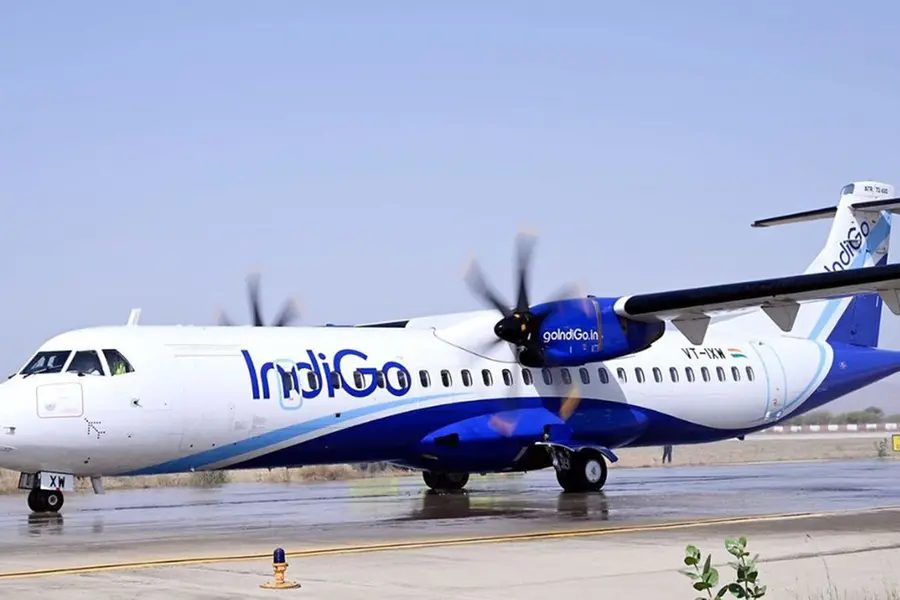
IndiGo is facing one of its most serious operational crises in recent history. On Wednesday, close to 200 flights were cancelled, and many more were delayed, across major airports including Delhi, Mumbai, Bengaluru, and Hyderabad, leaving thousands of passengers stranded. The fallout has triggered an investigation by the regulator, raised questions about crew management, and exposed vulnerabilities in fleet scheduling under the new duty-time rule.
OTP crash
Data from the Civil Aviation Ministry showed that IndiGo’s on-time performance (OTP) at six key domestic airports plunged sharply to just 35% on Tuesday, a steep fall from its long-standing reputation for punctuality. By Wednesday, the impact was widespread with multiple airports reporting dozens of cancellations, widespread flight disruptions, and overcrowded terminals.
Why did this happen?
Crew shortage, FDTL & Operational strain
At the heart of the chaos lies a major crew shortage, especially among pilots and cabin crew, largely triggered by the recent enforcement of updated regulations under the Flight Duty Time Limitations (FDTL) norms, which came into full effect from November 1. These rules mandate longer rest periods and stricter rostering to prevent fatigue, thereby limiting how many hours the crew can work and reducing night-landing frequencies.
Industry sources have revealed that despite the rule change last month, IndiGo failed to adjust its crew rosters quickly enough to match its dense flight schedule. As a result, several flights had to be grounded simply because there was no crew available, a shock for a carrier operating hundreds of daily sectors.
Compounding factors like tech glitches, seasonal demand & congestion
Crew shortage alone did not trigger the collapse. IndiGo and several other airlines were also impacted by technology issues; in some cases, check-in and reservation systems faced outages that disrupted airport operations.
Further, the onset of winter travel, bringing seasonal peaks in passenger load combined with routine winter-schedule changes, increased airspace congestion, and unpredictable weather conditions, added stress to an already fragile network. The airline’s statement cited these multiple factors as having “negatively compounded” the situation.
Ripple effects like stranded passengers & reputational damage
For travellers, the disruption translated into cancelled bookings, long waits, missed connections, and uncertainty. Airports across the country witnessed scattered scenes of frustration, like long queues, overcrowded counters, and confusion over flight status. Reports from Bengaluru, Hyderabad, Mumbai, and Delhi described passengers being left without timely information and with limited alternatives.
Moreover, social media lit up with complaints, as passengers compared the experience to railway-level mismanagement. The chaos opened a debate over airline preparedness, crew management, and the cost of rapid expansion without robust contingency planning.
DGCA Probe
In response to the crisis, the DGCA has initiated a formal probe into IndiGo’s disruptions. On Wednesday evening, the regulator asked the airline to submit a detailed account of the causes, along with mitigation plans to prevent further disruptions.
The inquiry will examine crew-rostering practices, compliance with FDTL norms, operational decision-making, and whether technology failures or systemic issues contributed to the collapse. Stakeholders expect the DGCA to propose recommendations, possibly including stricter oversight on fleet scheduling, backup crew reserves, and duty-time compliance audits.
IndiGo’s apology and 48-hour stabilisation plan
IndiGo’s senior management acknowledged the disruptions and issued a public apology. The airline said it regretted the "significant inconvenience" caused to passengers and regretted that “unforeseen operational challenges” had disrupted the network.
To contain the crisis, the airline launched a “calibrated schedule adjustment” plan, a temporary reshuffling of flights over the next 48 hours to rebuild balanced crew rosters, restore flight integrity, and gradually return to normal operations. IndiGo said it is offering alternate flights or refunds to affected customers and asked passengers to check live flight status before traveling.
While the plan may stabilise operations in the short term, the incident leaves deeper questions about IndiGo’s capacity to manage rapid regulatory changes, large-scale rosters, and system-wide disruptions.
All in all, IndiGo’s crisis highlights that even a well-equipped airline, with hundreds of aircraft, can collapse overnight if crew management is inadequate. For India’s fast-growing aviation sector, aligning fleet size with human resource capacity is now indispensable.
The new FDTL norms are critical for safety and pilot welfare. However, quick enforcement across a large fleet calls for robust backup planning, crew reserves, and dynamic rostering, deficiencies that IndiGo’s current system exposed.
Crew shortage, tech glitches, plus seasonal congestion, this “perfect storm” underlines the importance of resilient operational design. Airlines should treat such stacked risks as system hazards, not rare exceptions.
For travellers, airline reliability is critical. When disruptions of this scale occur, quick communication, timely alternatives, and transparent explanations can mitigate backlash. IndiGo’s apology and compensation efforts are a step, but rebuilding trust may take much longer. Besides, DGCA’s investigation could pave the way for stricter compliance audits, mandatory crew reserve requirements, and scheduled capacity-management reviews. For the sector, this may mark the beginning of a new regulatory paradigm.
The IndiGo debacle is not just a series of cancelled flights; it is a stress test that exposed systemic vulnerabilities in airline operations. For India’s aviation sector, where growth is rapid and capacity expansion is immense, such crises serve as cautionary tales. Going forward, airlines, regulators, and stakeholders must work cohesively to ensure that fleet size, crew strength, schedule design and resource planning grow in balanced harmony for the sake of safety, reliability, and passenger confidence.
Published: 03 Dec 2025, 10:27 pm IST
Related Topics
Disclaimer: Kindly avoid objectionable, derogatory, unlawful and lewd comments, while responding to reports. Such comments are punishable under cyber laws. Please keep away from personal attacks. The opinions expressed here are the personal opinions of readers and not that of Mathrubhumi.
