
IndiGo cancels 550+ flights as CEO admits crisis; government orders urgent normalisation and oversight.
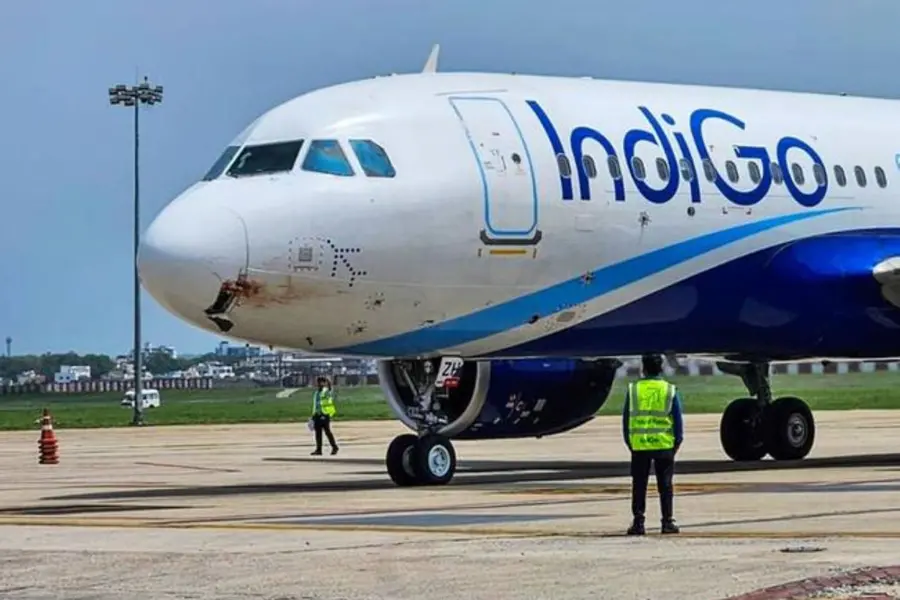
IndiGo’s nationwide disruption deepened on Thursday, with more than 550 flights cancelled, triggering widespread passenger frustration across major airports. The airline’s CEO acknowledged that operations have fallen far below expectations, even as the government pressed IndiGo to urgently restore normalcy.
IndiGo CEO Pieter Elbers told staff that the airline is facing intense operational turbulence and said the immediate priority is to stabilise services and restore punctuality.
In an internal message, he said IndiGo has “fallen short” of delivering a satisfactory travel experience in recent days, with more than 300 flights cancelled on Thursday alone, alongside extensive delays.
"These past few days have been difficult for many of IndiGo's customers and colleagues," he told employees, noting the airline serves about 380,000 passengers daily. "We could not live up to that promise these past days, and we have publicly apologised for that."
Elbers attributed the crisis to a mix of minor tech issues, schedule adjustments, adverse weather, increased congestion, and the rollout of the new Flight Duty Time Limitations (FDTL) norms.
He said the combination caused disruptions to “grow large immediately”, requiring intervention at multiple levels. “Our immediate goal is to normalise our operations and bring punctuality back on track in the coming days, which is not an easy target,” he added.
He assured staff that teams are being mobilised to prevent cascading delays and address underlying triggers.
What triggered government intervention?
Earlier in the day, Civil Aviation Minister K Rammohan Naidu convened a high-level meeting to review IndiGo’s disruptions. The minister directed the airline to urgently normalise operations and ensure airfares do not rise due to the ongoing crisis.
IndiGo told the ministry that cancellations stemmed from crew planning challenges linked to the revised FDTL norms, along with seasonal weather constraints.
Naidu expressed displeasure, saying the airline had ample preparatory time to transition to the new requirements.
The minister also instructed IndiGo to inform passengers well in advance about likely cancellations and ensure facilities—including hotel accommodation—are provided where necessary.
How are regulators responding?
The DGCA was told to conduct strict real-time monitoring of IndiGo’s operations, with officers deployed at the airline’s control centres. Airports Authority of India (AAI) officials were also directed to continuously monitor the on-ground situation at airports.
IndiGo, which normally operates about 2,300 flights a day, cancelled more than 550 flights on Thursday alone.
What happened at airports?
Passengers across airports complained of long delays and lack of communication. At Delhi’s IGI Airport, IndiGo cancelled 150 flights, including 75 arrivals and 75 departures, affecting both domestic and international sectors.
At Hyderabad Airport, travellers voiced anger over last-minute changes. One flyer, Santosh, who needed to reach Chennai for a meeting, said: “I have to reach Chennai by morning at 11 tomorrow. My flight has been delayed… This experience is really bad… There has been no call or communication from IndiGo.”
What are pilots saying?
The Airline Pilots' Association of India (ALPA India) reiterated concerns around planning and regulatory oversight.
In a statement, it said the cancellations linked to pilot shortages under the new FDTL norms raise questions about airline management, DGCA oversight, and market fairness.
It added: "The core question is whether airlines' current pilot shortage is due to a failure in planning or a calculated strategy… This situation points to a failure of proactive resource planning by dominant airlines, potentially exacerbated by an effort to pressurise the regulator."
Why did the aviation ministry call a separate review meeting?
A parallel review chaired by the minister earlier in the day involved senior officials from IndiGo, AAI, ATC, DGCA, and the Aviation Secretary. The meeting was called amid nationwide passenger inconvenience caused by widespread delays, rescheduling, and cancellations.
Published: 04 Dec 2025, 11:32 pm IST
Related Topics
Disclaimer: Kindly avoid objectionable, derogatory, unlawful and lewd comments, while responding to reports. Such comments are punishable under cyber laws. Please keep away from personal attacks. The opinions expressed here are the personal opinions of readers and not that of Mathrubhumi.
