
IndiGo cancelled 500 flights and plans to operate 1,802 services on Monday, as India’s air travel crisis enters its seventh consecutive day, leaving lakhs of passengers stranded
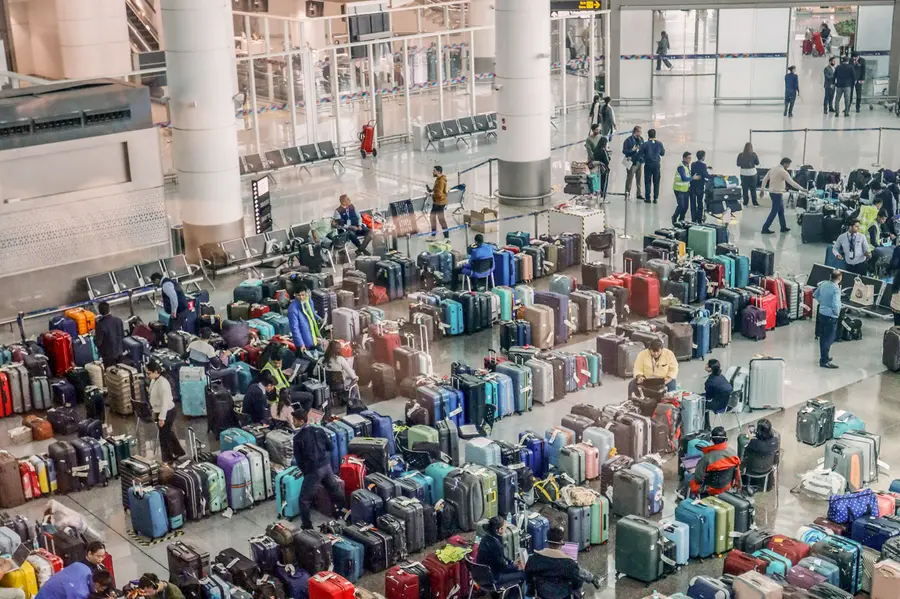
Delhi: India’s largest airline, IndiGo, continued to face operational disruptions on Monday, cancelling 500 flights while planning to operate 1,802 services to 137 out of 138 destinations.
Major airports were heavily affected, with Delhi’s Indira Gandhi International Airport recording 134 cancellations, Bengaluru 127, Hyderabad 77 and Chennai 71.
Regulatory pressure intensifies
The Directorate General of Civil Aviation (DGCA) issued show-cause notices to IndiGo CEO Pieter Elbers and Chief Operating Officer Isidro Porqueras over lapses in planning, oversight and resource management. The regulator granted a 24-hour extension until 6 PM on Monday for the executives to respond. The notices cited inadequate preparation for revised Flight Duty Time Limitation norms, effective 1 November, which extended weekly rest periods for pilots from 36 to 48 hours and reduced permissible night landings from six to two.
The Civil Aviation Ministry has processed refunds of Rs 610 crore for affected passengers and capped domestic airfares between Rs 7,500 and Rs 18,000. Air India also committed to refunding passengers who booked tickets above the government-mandated fare limits.
Passenger impact and baggage delivery
IndiGo has delivered 4,500 of 9,000 pending passenger bags and expects to complete delivery within 36 hours. Between 21 November and 7 December, a total of 9,55,591 PNRs were cancelled and refunded, amounting to Rs 827 crore, with 5,86,705 PNRs cancelled and refunded between 1–7 December alone, totalling Rs 569.65 crore.
Market impact and recovery timeline
Shares of InterGlobe Aviation, IndiGo’s parent company, fell 6.63 percent to an intraday low of Rs 5,015 on Monday, marking the seventh consecutive day of losses and erasing Rs 37,000 crore in market value over six trading sessions. On-time performance has improved to 75 percent from 30 percent in earlier days, with the airline expecting full network stabilisation by 10 December.
IndiGo’s operational turmoil represents the most severe air travel crisis in India’s history. Hundreds of flights have been cancelled since 2 December, leaving passengers stranded across major cities. Regulatory changes to pilot flight duty and rest norms, effective 1 November, have been cited as the key cause, with the airline failing to adequately prepare for the revised requirements.
The DGCA has issued show-cause notices to the airline’s top executives, while the Civil Aviation Ministry has intervened with fare capping and refunds to mitigate passenger distress. Air India has also agreed to compensate travellers who paid fares above the capped limits.
Operational recovery is underway, with IndiGo gradually restoring flights and improving punctuality. However, the airline expects the network to fully stabilise only by 10 December. Financial markets have reflected the crisis, with significant declines in InterGlobe Aviation shares over consecutive sessions, erasing substantial market capitalisation.
The crisis highlights ongoing challenges in India’s aviation sector, including regulatory compliance, resource planning, and the broader impact of sudden operational changes on passengers and market performance.
Published: 08 Dec 2025, 03:45 pm IST
Disclaimer: Kindly avoid objectionable, derogatory, unlawful and lewd comments, while responding to reports. Such comments are punishable under cyber laws. Please keep away from personal attacks. The opinions expressed here are the personal opinions of readers and not that of Mathrubhumi.
