
The vessel’s successful passage marks the fourth Indian-flagged ship to transit the conflict-affected region
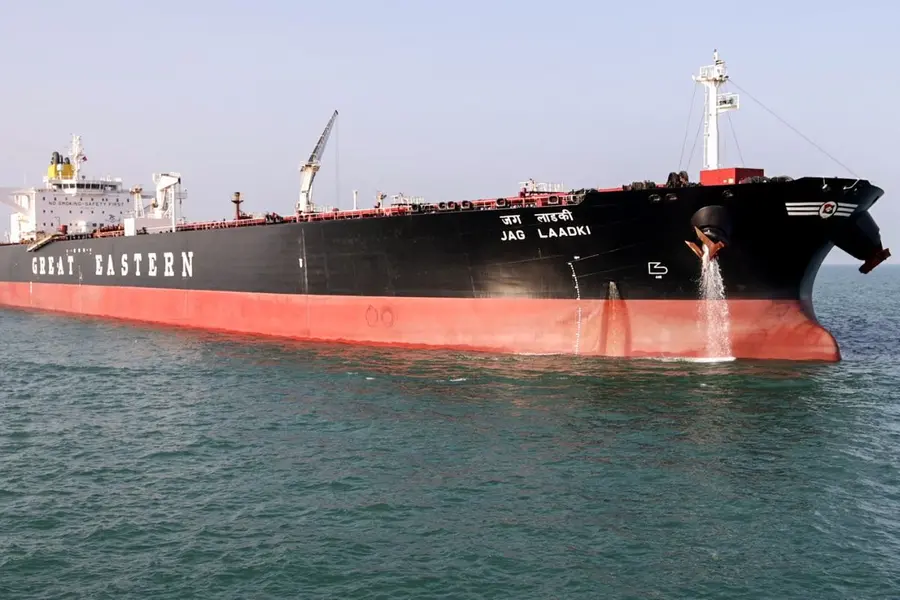
New Delhi: The Indian-flagged oil tanker Jag Laadki has safely arrived at Mundra Port in Gujarat after completing its voyage from Fujairah in the United Arab Emirates, despite heightened tensions and an attack on the terminal area. The vessel’s successful passage marks the fourth Indian-flagged ship to transit the conflict-affected region in recent days.
According to shipping sources, the tanker was carrying 80,886 tonnes of crude oil sourced from the UAE. It departed from Fujairah following the incident and reached Mundra on Wednesday. The ship is the second vessel from the war-affected zone to berth at the Adani Group-operated port, following the arrival of LPG tanker Shivalik earlier this week.
Officials said Mundra Port provided safe berthing and maritime coordination to protect what they described as vital energy supply routes for India. All 22 Indian seafarers onboard Jag Laadki have been reported safe.
Originally, 28 Indian-flagged vessels were positioned in the Strait of Hormuz when hostilities escalated in West Asia after US and Israeli strikes on Iran triggered retaliatory action from Tehran. Of these ships, several have since managed to navigate through the region and reach safer waters. In the past week alone, two vessels from each side of the strait have completed their journeys.
ALSO READ | Israel kills Iran’s Intelligence Minister; Who was Esmaeil Khatib, Netanyahu vowed to ‘hunt down’
Alongside Jag Laadki, LPG carrier Shivalik arrived at Mundra on Monday, while another LPG tanker, Nanda Devi, reached Kandla Port in Gujarat early on Tuesday. Together, the two LPG vessels transported approximately 92,712 tonnes of cooking gas, equivalent to a day’s national requirement.
Another tanker, Jag Prakash, carrying gasoline from Oman to Africa, has also safely crossed the strait and is currently en route to Tanzania.
Of the remaining Indian-flagged vessels in the region, most are on the western side of the Strait of Hormuz, carrying a range of cargo including LPG, LNG, crude oil, chemicals, containers and bulk goods. A number are undergoing routine maintenance in dry dock.
The Strait of Hormuz — the narrow maritime corridor linking the Persian Gulf with the open ocean — has experienced significant disruption amid the ongoing conflict. Analysts say while the waterway remains highly sensitive, limited vessel movements have resumed, with some ships reportedly permitted to pass following verification procedures.
ALSO READ | Russian oil diversion: Tankers bound for China make U-turn to India
India relies heavily on maritime imports for its energy needs, sourcing the majority of its crude oil and a significant proportion of its natural gas and LPG through international shipping lanes, including routes that pass through the Strait of Hormuz. While crude oil supplies have been partially diversified through alternative sources, disruptions to gas and LPG flows have affected industrial and commercial users.
The arrival of Jag Laadki is seen as a reassurance for India’s energy supply chain, as shipping companies continue to navigate heightened risks in the region.
Published: 18 Mar 2026, 06:29 pm IST
Related Topics
Disclaimer: Kindly avoid objectionable, derogatory, unlawful and lewd comments, while responding to reports. Such comments are punishable under cyber laws. Please keep away from personal attacks. The opinions expressed here are the personal opinions of readers and not that of Mathrubhumi.
