
India has criticised the US suspension of eight technology companies from the PERM Green Card programme and called JD Vance’s description of H-1B workers “deeply offensive”. The move could delay permanent-residency applications for eligible employees, though existing H-1B visas are not automatically affected.
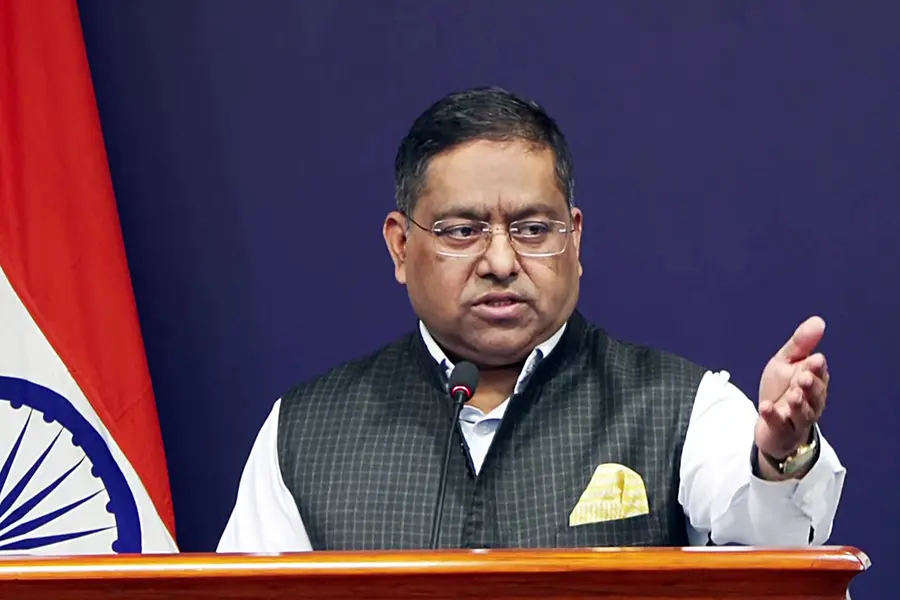
New Delhi: India on Friday criticised the US administration’s decision to suspend eight technology companies from the Permanent Labour Certification Programme (PERM), warning that the move does not advance the shared ambitions of the two countries. New Delhi also objected to US Vice-President JD Vance’s description of foreign workers hired on H-1B visas as “foreign indentured servants”.
The US suspension affects major technology and IT services companies, including Tata Consultancy Services (TCS), Infosys, Wipro, HCL Technologies, Cognizant, Capgemini, Microsoft and Adobe. The action prevents the companies from submitting new or processing pending PERM applications, according to US officials.
In a statement, India’s Ministry of External Affairs (MEA) highlighted the economic benefits of skilled-worker mobility for both countries. It said Indian professionals contribute to US innovation, research, productivity and competitiveness, while also creating opportunities for workers in India.
“Talent mobility adds value to both economies,” the MEA said, adding that the US action did not advance the shared ambitions of India and the United States.
India objects to JD Vance’s remarks
The MEA described Vance’s language as “unwarranted”, arguing that it ignored the contributions of Indian professionals to the American economy and technology sector.
“Resorting to terminology that carries painful historical and colonial legacy connotations is deeply offensive,” the ministry said.
It also pointed to the role of immigrants in shaping the United States, saying generations of immigrants had contributed to the country’s economic growth and prosperity.
PERM suspension is separate from H-1B visas
The MEA clarified that the PERM programme is distinct from the H-1B visa system. The suspension does not automatically invalidate existing H-1B visas or change the immigration status of current visa holders and their dependants.
However, the decision could affect the permanent-residency process for eligible employees of the companies concerned.
PERM is a labour certification process generally required for US employers seeking to sponsor foreign workers for certain employment-based Green Cards. Employers must demonstrate that hiring a foreign worker will meet the relevant labour-market requirements.
The H-1B programme, by contrast, allows US employers to hire eligible foreign professionals for specialised occupations on a temporary basis.
Why the US suspended the companies
US officials said the action was part of a broader effort to investigate alleged misuse of immigration programmes and protect American workers.
Labour Secretary Keith Sonderling said the department would stop accepting new PERM applications involving the affected companies and would not process their pending applications.
Vance accused Microsoft of abusing the system, citing layoffs of American workers alongside applications for H-1B visas and permanent labour certifications. The administration also alleged that some companies had used the programmes in ways that disadvantaged US workers.
The allegations are part of the US administration’s wider scrutiny of employers that rely on foreign workers. The suspension itself does not establish that every affected company committed fraud or violated labour laws.
What the decision means for Indian professionals
The dispute comes amid increased scrutiny of skilled immigration under US President Donald Trump. Indian professionals account for a substantial share of H-1B visa beneficiaries and are also significant applicants for employment-based permanent residency.
The immediate effect of the PERM suspension is on the Green Card sponsorship process at the affected companies, rather than on the validity of existing H-1B visas. Employees whose permanent-residency applications depend on these employers could face delays or uncertainty while the restrictions remain in place.
The decision also raises questions for Indian IT companies that depend on moving skilled employees between India and the US. Restrictions on permanent-residency sponsorship could complicate workforce planning and make long-term employment arrangements more difficult for some workers.
For India-US relations, the disagreement highlights a tension between Washington’s stated goal of protecting domestic employment and New Delhi’s position that skilled-worker mobility benefits both economies. India’s response emphasises the economic contribution of Indian professionals while objecting to language it considers historically offensive.
Published: 09 Oct 2026, 07:44 pm IST
ABOUT THE AUTHOR

Disclaimer: Kindly avoid objectionable, derogatory, unlawful and lewd comments, while responding to reports. Such comments are punishable under cyber laws. Please keep away from personal attacks. The opinions expressed here are the personal opinions of readers and not that of Mathrubhumi.