
India’s SIM card limit is not new, but enforcement is changing from August 24. Telecom operators will use the Digital Intelligence Platform to check whether customers have already reached the permitted number of connections.
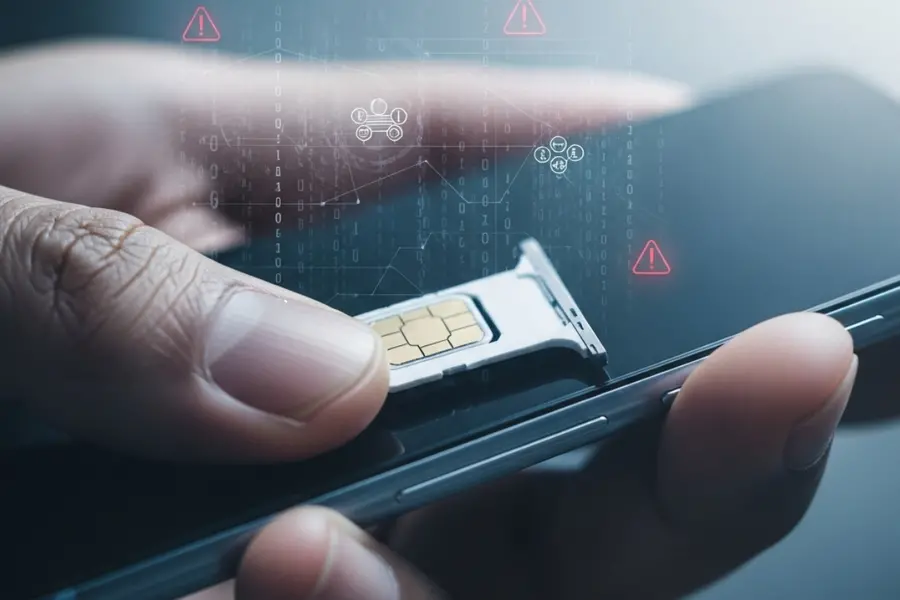
India is tightening enforcement of its existing limits on mobile connections, with telecom operators required to stop issuing new SIM cards to customers who have already reached the permitted number from August 24.
The Department of Telecommunications will use its Digital Intelligence Platform to help operators identify subscribers who have exhausted their limit.
What changes from August 24?
The basic SIM card limit is not new. The Department of Telecommunications (DoT) has for years limited the number of mobile connections that can be registered in one person's name.
What changes from August 24 is the enforcement mechanism.
Telecom operators will have to introduce technical and organisational measures to identify customers who are attempting to obtain another mobile connection after reaching the applicable limit.
If a subscriber has already reached the permitted number, the operator will have to inform them that they cannot obtain another connection.
The requirement applies across telecom operators and service areas, meaning customers cannot simply move to another operator to bypass the overall limit.
How many SIM cards can one person have?
For most parts of India, an individual can have up to nine mobile connections registered in their name.
There is a lower limit for certain regions. People in Jammu and Kashmir, Assam and the North-Eastern states can have up to six connections.
The limit applies across operators and telecom circles rather than being nine SIM cards with each individual telecom company.
For example, someone with nine active connections spread across multiple operators would have reached the applicable national limit and would generally not be eligible for another connection.
How will the government check your SIM cards?
The DoT is using its Digital Intelligence Platform (DIP) to strengthen enforcement.
The platform brings together subscriber information provided by different telecom operators. This allows operators to determine whether a person applying for a new SIM has already reached the permitted number of connections.
The system is intended to address a key problem with enforcing a cross-operator limit: a customer may have several mobile numbers registered with different telecom companies.
Under the new process, operators will be able to check the subscriber's overall connection count before activating another SIM.
New photo-based identification feature
The DoT is also introducing a photo-based identification feature on the Digital Intelligence Platform.
From August 23, DIP will display a representative image for subscribers who have already reached the applicable SIM limit.
Telecom operators can use this information when processing applications for additional connections.
If the records show that the customer has crossed the permitted threshold, the new connection will not be issued.
What happens when you apply for a new SIM?
Customers will also have to disclose the mobile numbers already registered in their name when applying for a new connection.
The Customer Application Form requires details of existing connections, including numbers obtained from other telecom operators and in other telecom service areas.
This means applicants cannot simply provide information about numbers held with the operator from which they are seeking a new SIM.
The operator will be able to cross-check the information against the wider records available through the government platform.
Why is the government enforcing the limit?
The immediate objective is to ensure that subscribers do not hold mobile connections beyond the prescribed limit.
A cross-operator database makes it easier for telecom companies to identify customers who have reached the ceiling and prevents additional connections from being issued inadvertently or by attempting to bypass the existing rules.
The measure also strengthens the government's ability to maintain accurate records of mobile connections registered in individual names.
The directive comes as the telecom sector increasingly relies on digital systems to verify subscribers and monitor connections.
What happens if a SIM is issued by mistake?
The DoT has provided an interim mechanism for cases where a mobile connection is activated beyond the permitted limit.
If a connection is found to have been issued in excess of the applicable limit, it may be suspended immediately for one day while the matter is resolved.
The action will be taken under the terms and conditions contained in the Customer Application Form.
This temporary procedure is particularly relevant while telecom operators complete the technical integration required for the new system.
When will telecom operators complete the integration?
Telecom companies have been given until November 30 to integrate and streamline their processes with the Digital Intelligence Platform.
This means the August 24 enforcement requirement and the November 30 integration deadline are separate parts of the implementation process.
The operators must begin enforcing the limit while continuing to make the necessary technical changes to their systems.
Does this mean existing SIM cards will be cancelled?
The directive described in the available information primarily concerns the issuance of new connections to people who have already reached the permitted limit.
It does not mean that every person with multiple SIM cards will automatically have their existing connections cancelled from August 24.
However, connections found to have been activated beyond the permitted limit may face action under the prescribed process, including temporary suspension while the issue is resolved.
What should mobile users do?
People who have several mobile numbers registered in their name may want to check which connections are currently associated with their identity.
This is particularly relevant for users who have accumulated numbers over the years, changed operators or stopped using certain SIM cards without formally closing the connections.
Users should also ensure that the numbers listed under their name are accurate when applying for a new connection.
What does the rule mean for ordinary users?
For most users with one or two mobile numbers, the change is unlikely to have a major practical impact.
The main effect will be felt by people who already have a large number of connections registered in their name.
For them, obtaining another SIM after reaching the applicable limit will become more difficult because operators will be required to check existing connections before issuing a new one.
The key point is that August 24 does not introduce a new nine-SIM limit. It marks a stronger enforcement stage for a limit that has already existed.
Analysis
The significance of the new directive lies in the move from a rule that exists on paper to a system designed to enforce it across India's telecom networks.
Previously, a person with connections spread across different operators could make it more difficult for an individual operator to establish the total number of SIM cards registered in that person's name. The Digital Intelligence Platform is intended to provide a broader view of those connections.
The move also reflects the government's wider use of centralised digital systems in telecom regulation. By requiring operators to cross-check subscriber information before issuing new connections, the DoT is attempting to reduce gaps between individual telecom databases.
For consumers, the practical change is simple: if you have already reached the applicable limit, switching to another operator will not necessarily allow you to obtain an additional SIM.
The directive also puts greater importance on accurate subscriber records. People who have old, unused or unwanted numbers registered in their name may face complications when seeking additional connections if those numbers continue to count towards their limit.
Published: 21 Aug 2026, 07:14 am IST
ABOUT THE AUTHOR

Related Topics
Disclaimer: Kindly avoid objectionable, derogatory, unlawful and lewd comments, while responding to reports. Such comments are punishable under cyber laws. Please keep away from personal attacks. The opinions expressed here are the personal opinions of readers and not that of Mathrubhumi.