
India launches e-passports with enhanced security features like RFID chips. Learn about benefits, the issuance process, and more.
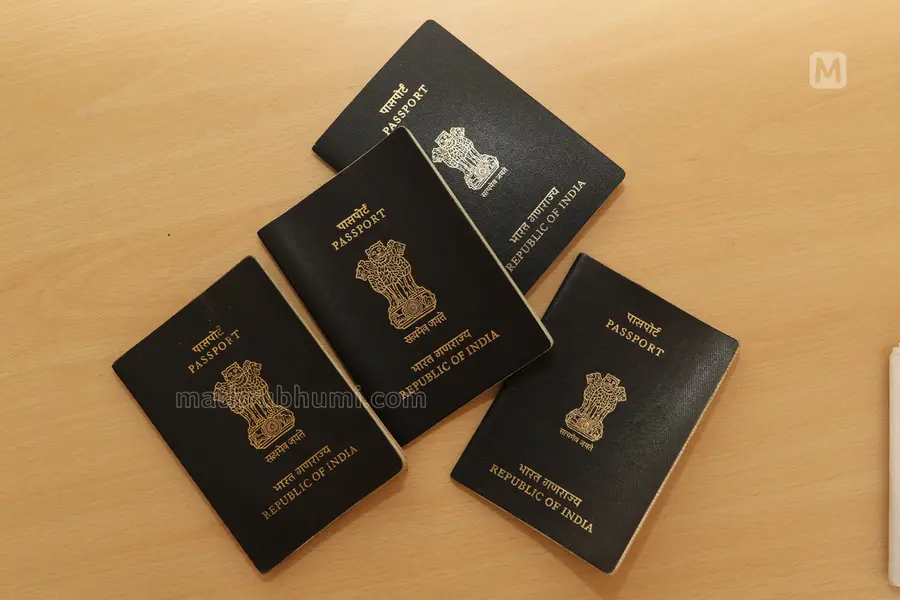
India officially began the phased rollout of e-passports, marking a major step toward enhancing travel document security and streamlining international identification. An e-passport is a modernised version of the traditional passport, integrated with electronic features such as an embedded Radio Frequency Identification (RFID) chip and antenna.
What makes e-passports stand out is the distinctive gold-coloured symbol printed beneath the front cover, which visually differentiates them from regular passports.
How is it different from a regular passport?
While the physical structure of an e-passport resembles that of a traditional paper passport, the key difference lies in its embedded technology. Each e-passport contains a secure RFID chip that stores biometric and personal data of the passport holder.
This chip is supported by a Public Key Infrastructure (PKI) system, which ensures the data cannot be tampered with or counterfeited. Unlike regular passports, e-passports offer advanced verification processes during immigration checks, adding a robust layer of security against identity fraud.
What are the benefits of an e-Passport?
The primary advantage of e-passports is enhanced data security. The embedded chip helps preserve the integrity of the passport holder’s information and reduces the risk of forgery, tampering and unauthorised data access.
How many have been issued so far?
The issuance of e-passports is currently part of a pilot phase under the Passport Seva Programme (PSP) Version 2.0, which began on April 1, 2024, according to the Ministry of External Affairs.
As of March 22, 2025, 20,729 e-passports had already been issued in Tamil Nadu, where the initiative began on March 3, 2025, via the Regional Passport Office in Chennai.
Currently, Regional Passport Offices (RPOs) in the following cities are equipped to issue e-passports: Nagpur, Bhubaneswar, Jammu, Goa, Shimla, Raipur, Amritsar, Jaipur, Chennai, Hyderabad, Surat, Ranchi.
Is it mandatory to switch to an e-Passport?
No, it is not mandatory to switch to an e-passport at this time. The Ministry of External Affairs has confirmed that all existing Indian passports will remain valid until their respective expiry dates.
Citizens can opt for an e-passport when applying for a new passport or renewing an existing one, but switching is completely voluntary.
Published: 13 May 2025, 09:44 am IST
Related Topics
Disclaimer: Kindly avoid objectionable, derogatory, unlawful and lewd comments, while responding to reports. Such comments are punishable under cyber laws. Please keep away from personal attacks. The opinions expressed here are the personal opinions of readers and not that of Mathrubhumi.
