
India's proven track record in clean energy targets, including exceeding solar capacity goals, underscores its commitment to sustainable growth and climate action.
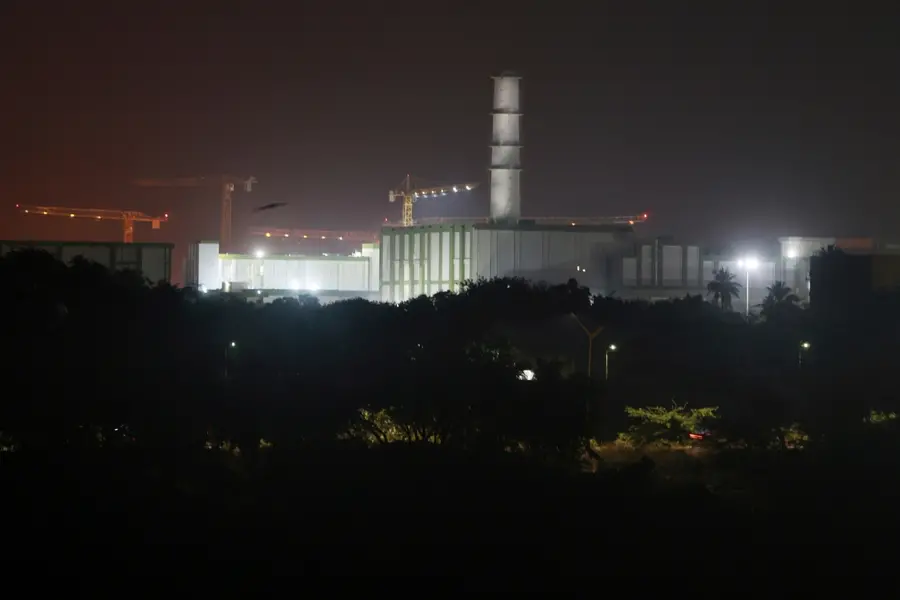
New Delhi: India’s strategic pivot to allow private companies into its nuclear energy sector is expected to catalyse a massive expansion of atomic power by 2047, providing the nation with a stable, carbon-free foundation for its power grid, a top government advisor said Thursday.
P.K. Mishra, Principal Secretary to the Prime Minister, addressed the opening session of an international conference on sustainable energy transitions hosted by IRADe. He characterised the recent legislative reforms as a "historic" shift that ends decades of state monopoly in the nuclear field.
"India has undertaken a historic reform by opening nuclear energy to private participation through recent legislative initiatives. This is expected to scale nuclear capacity significantly by 2047 and provide firm, zero-carbon baseload power," Mishra said.
The reform is a cornerstone of the "Viksit Bharat" (Developed India) initiative, which seeks to reconcile aggressive economic growth with energy self-reliance and environmental targets. By integrating private capital and expertise, the government aims to reduce its reliance on energy imports and strengthen its strategic autonomy.
Mishra highlighted that India’s ambitious climate targets have gained global credibility through a track record of early delivery. He noted that the country achieved 50% of its electricity capacity from clean sources in 2025, five years ahead of its 2030 goal, and reached 100 gigawatts (GW) of solar capacity far earlier than international analysts had anticipated.
"India's ability to achieve 50 per cent of installed capacity for clean energy by 2025 instead of 2030, and 100 GW of solar capacity well ahead of earlier expectations, demonstrates the importance of policy continuity and institutional strength," he told the forum.
Data released during the session showed that India successfully reduced the emissions intensity of its GDP by approximately 36% between 2005 and 2020. This progress made India the first G20 nation to fulfil its Paris Agreement obligations nearly a decade ahead of the 2030 deadline.
Mishra concluded by stressing that for energy transitions to remain sustainable, they must provide "tangible welfare gains" and remain central to the nation's competitive and social inclusion strategies.
With inputs from PTI
Published: 29 Jan 2026, 09:41 pm IST
Related Topics
Disclaimer: Kindly avoid objectionable, derogatory, unlawful and lewd comments, while responding to reports. Such comments are punishable under cyber laws. Please keep away from personal attacks. The opinions expressed here are the personal opinions of readers and not that of Mathrubhumi.
