
The global health agency has expressed “deep concern” over what it describes as a regulatory gap in domestic screening for toxic contaminants known to cause fatal kidney damage.
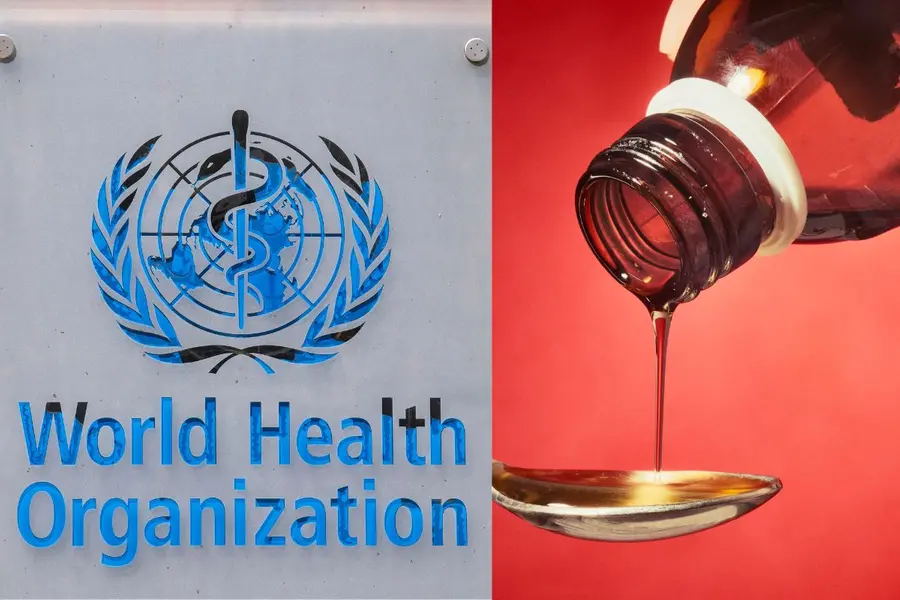
New Delhi: The World Health Organization (WHO) has raised alarm over regulatory lapses in India’s pharmaceutical oversight following the deaths of at least 20 children from toxic cough syrups in Madhya Pradesh and Rajasthan.
The global health agency has expressed “deep concern” over what it describes as a regulatory gap in domestic screening for toxic contaminants such as diethylene glycol (DEG) and ethylene glycol (EG), both of which are industrial chemicals known to cause fatal kidney damage.
The fatalities, mostly involving children under the age of five, have been linked to Coldrif cough syrup, which was found to contain nearly 48.6 percent diethylene glycol. Other syrups under scrutiny include Respifresh TR and ReLife, according to India's drug regulator.
In a statement, WHO said it was “deeply saddened” by the deaths and extended condolences to affected families. It confirmed that it has contacted India’s Central Drugs Standard Control Organisation (CDSCO) for clarification on whether the contaminated products had been exported. The CDSCO informed WHO that no exports of the contaminated syrups had taken place and that all three products have been recalled, with production halted.
Why it is important to look at exports?
However, WHO warned of the potential risk of such adulterated products entering international markets via unregulated supply chains, and called for immediate action to address weaknesses in domestic drug safety systems.
“WHO expresses concern over the possibility of contaminated medicines being exported through informal channels and calls for urgent efforts to identify and remove any remaining contaminated pharmaceutical materials from circulation,” the agency said.
The health body has not ruled out issuing a Global Medical Products Alert, pending official confirmation regarding the export status of the tainted syrups. Such alerts are typically issued for substandard or falsified medicines with potential international public health risks.
The incident has reignited concerns over India’s pharmaceutical quality control systems, particularly for drugs sold within the domestic market. In response, the Drugs Controller General of India (DCGI) has issued an urgent advisory to all state and union territory drug controllers, instructing them to tighten inspections and ensure robust batch testing of all raw materials and finished products before market release.
The advisory, dated October 7, noted that recent inspections had uncovered serious lapses in manufacturing practices, with many companies failing to test active and inactive ingredients in each production batch.
“Several manufacturers are not carrying out the required testing of each batch of excipients and active pharmaceutical ingredients to verify compliance with standards before using them,” the DCGI noted.
Authorities have also reiterated a 2023 directive requiring warning labels on fixed-dose combinations containing chlorpheniramine maleate and phenylephrine, stating these formulations should not be used in children under four years of age.
Meanwhile, five children remain in critical condition in Madhya Pradesh, and at least three additional child deaths have been reported in Rajasthan, allegedly linked to similar formulations.
The tragedy has drawn parallels with earlier international cases involving Indian-manufactured syrups, prompting renewed scrutiny of pharmaceutical exports and domestic drug safety enforcement.
WHO has offered technical assistance to Indian authorities and urged urgent reforms to prevent further incidents.
PTI
Published: 09 Oct 2025, 01:06 pm IST
Disclaimer: Kindly avoid objectionable, derogatory, unlawful and lewd comments, while responding to reports. Such comments are punishable under cyber laws. Please keep away from personal attacks. The opinions expressed here are the personal opinions of readers and not that of Mathrubhumi.
