
The Union Government has officially added heatwaves and lightning to India’s list of recognised natural disasters, enabling state governments to access financial assistance under the Disaster Management Act, 2005.
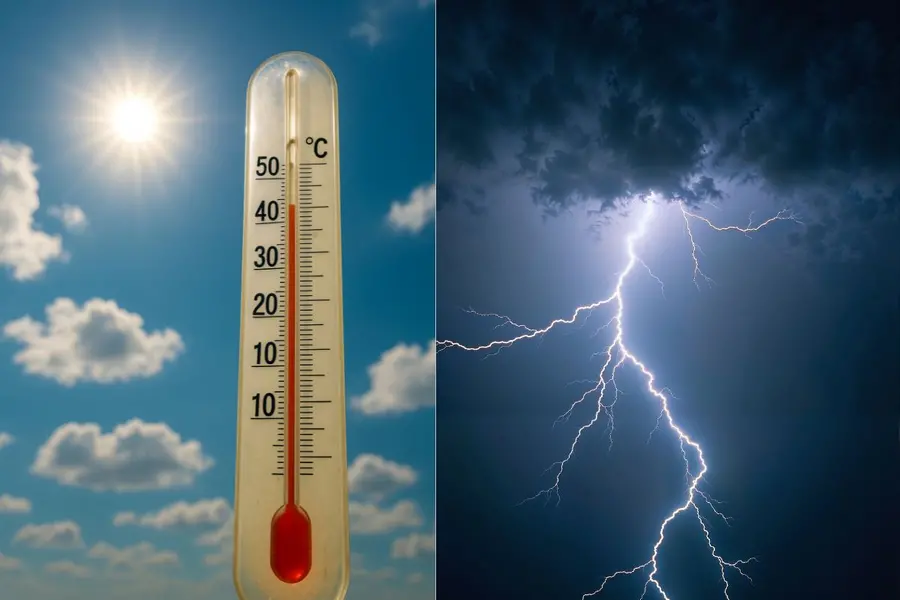
New Delhi: The Union Government has officially included heatwaves and lightning in the recognised list of natural disasters in the country. State governments will now be eligible for financial assistance under the Disaster Management Act, 2005, for losses caused by these events.
The Home Ministry's new decision comes amidst growing concerns over extreme weather events triggered by climate change. States, including Kerala, have long demanded the inclusion of both these phenomena in the Central Government’s list of notified natural disasters. The decision to revise the natural disaster list was taken following recommendations by the 16th Finance Commission.
In a written response in the Lok Sabha, the Ministry of Home Affairs clarified that by classifying lightning and heatwaves as recognised natural disasters, benefits under the operational criteria of the National and State Disaster Response Funds (NDRF and SDRF) will be made available for the 2026–31 period.
A policy framework will be drawn up for relief assistance. Minister of State for Home Affairs Nityanand Rai informed on behalf of the Ministry that projects aimed at mitigating heatwaves will also be eligible for support.
Key Statistics (March 1 – July 26, 2026)
- Heatstroke fatalities: 20
- Reported heatstroke incidents: 5000 (4853 reported)
Existing list of recognised natural disasters
Previously, the recognised natural disasters list comprised cyclones, droughts, earthquakes, fires, floods, tsunamis, hailstorms, landslides, avalanches, cloudbursts, pest attacks and frost/cold waves.
Under existing norms, state governments could declare unlisted disasters as state-level emergencies, but were restricted to spending a maximum of 10 per cent of their State Disaster Response Fund (SDRF) on relief efforts.
With their official recognition at the national level, the State Disaster Response Fund and the State Disaster Mitigation Fund can now be fully deployed for relief. Furthermore, if state funds prove insufficient, central assistance from the National Disaster Response Fund (NDRF) can also be accessed.
Published: 09 Aug 2026, 02:54 pm IST
Related Topics
Disclaimer: Kindly avoid objectionable, derogatory, unlawful and lewd comments, while responding to reports. Such comments are punishable under cyber laws. Please keep away from personal attacks. The opinions expressed here are the personal opinions of readers and not that of Mathrubhumi.
