
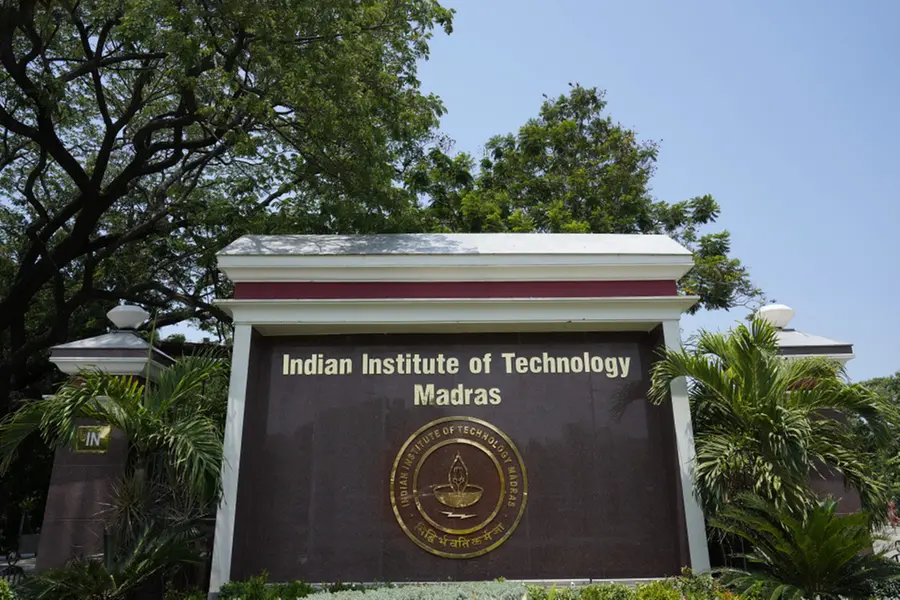
A new study carried out by the Indian Institute of Technology (IIT) Madras has suggested that integrating art-based therapies into workplace settings can significantly boost employee performance and corporate culture.
The research, published in the Journal of Organisational Change Management, shows the potential of expressive arts techniques --such as visual arts, music, movement, and theatre -- to enhance productivity and foster a more innovative and collaborative work environment.
The study, led by Professor V Vijayalakshmi from the Department of Management Studies at IIT Madras, argues that traditional training methods can be complemented by artistic approaches that tap into employees' creative and emotional sides.
"Arts have a profound historical significance across various cultures and possess the power to influence thoughts, feelings, and behaviors," Vijayalakshmi said, adding "Compared to conventional training methods, experiential and artistic techniques create a positive mood, stimulate creativity, and provide metaphorical and improvisational tools that broaden employees' cognitive and behavioral horizons."
The research highlights a new business model called ‘Intermodal Arts-Based Intervention’ (IABI), which is designed to enhance the agility and effectiveness of employees.
According to the study, engaging employees in diverse art forms not only aids in self-expression but also improves their capacity to understand complex issues, including ethical dilemmas in the workplace.
Art modalities like visual arts, music, movement, and theatre are proposed as tools to enhance learning and adaptability.
Janani M, another contributor to the study from the Department of Management Studies at IIT Madras, emphasized the broader implications of this approach.
"This study offers a valuable alternative to traditional training methods by proposing a shift towards experiential learning. By facilitating internal and external dialogues, fostering new relationships, and encouraging innovative thought patterns, art-based therapies could significantly contribute to a more considerate and collaborative work culture," she said
The study suggests that art-trained facilitators can play a crucial role in guiding employees through the transition from resistance to acceptance of these new methodologies.
"Arts can provide a safe psychological space for exploring alternate realities," Vijayalakshmi added, underscoring the potential for artistic practices to offer new perspectives and solutions within the workplace.
IANS
Published: 26 Jul 2024, 03:20 pm IST
Related Topics
Disclaimer: Kindly avoid objectionable, derogatory, unlawful and lewd comments, while responding to reports. Such comments are punishable under cyber laws. Please keep away from personal attacks. The opinions expressed here are the personal opinions of readers and not that of Mathrubhumi.
