
Escalating India-Pakistan tensions cause widespread anxiety and trauma. Experts advise coping mechanisms for adults and children.
New Delhi: For seven-year-old Hazel, Pakistan was just a name until earlier this week. Now, she grows suspicious with every knock on the door and breaks down at the thought of impending danger.
"It all started when her school had an awareness session and then she heard things from her friends in the class. Now she wants me to be careful before opening the door. She says, 'Pakistan will attack us' and everyone will die," said Annu Mathew, who is struggling to explain to her daughter that she is in no direct danger in Kerala's Thiruvananthapuram.
Hazel is not alone. In Delhi, 36-year-old Mahendra Awasthi is finding it difficult to sleep. Though the countries had agreed to a ceasefire on Saturday evening, uncertainty lingered as explosions and blackouts were reported in border areas, reigniting anxiety.
Media and misinformation fuel anxiety
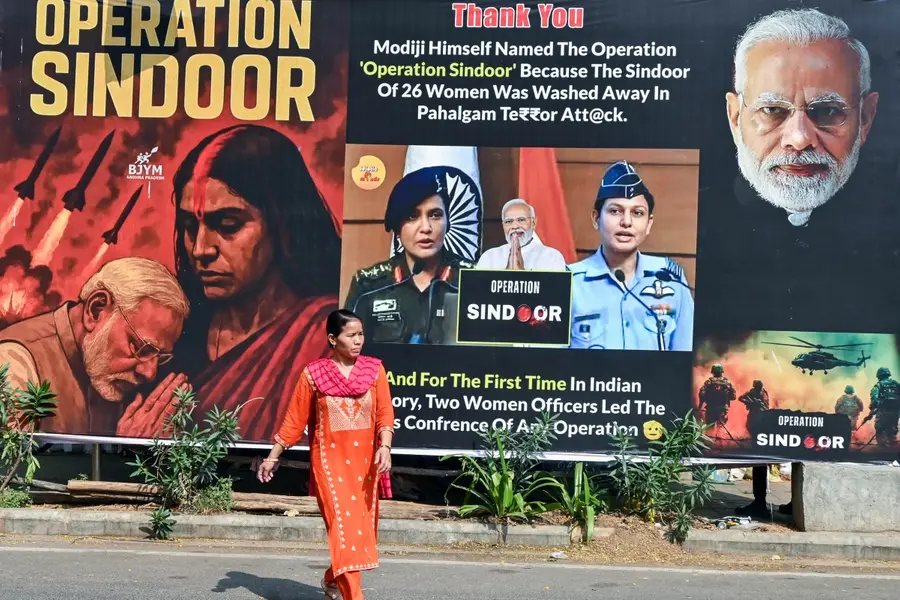
The situation began escalating on the night of May 6-7, when India launched Operation Sindoor against terrorist infrastructure in Pakistan and Pakistan-occupied Jammu and Kashmir, in retaliation for the Pahalgam attack. Over the following days, the two nations engaged in military actions along the border.
Despite the ceasefire announcement, the flood of news and misinformation has left many on edge, particularly in cities far from the conflict zones. Clinical psychologist Shweta Sharma explained that constant media exposure and emotional content can overwhelm individuals, leading to heightened stress and anxiety.
"Relentless 24/7 media coverage, social media exposure, and emotionally charged content that can overwhelm the brain's stress regulation mechanisms," Sharma said.
"War-related fears often stem from unpredictability – how far will this go, who will be affected, and what will be the long-term consequences?"
Panic and guilt felt by many
Awasthi shared that he felt a constant sense of dread, even as he tried to avoid social media.
"I don't want to scroll social media but I keep feeling I will miss out on some essential news. What if Delhi is next on target, what should I do to keep my family safe, will we wake up tomorrow?" he said, panic evident in his voice.
Sharma pointed out that for those watching from safer regions, the suffering of civilians and soldiers can evoke feelings of guilt and helplessness.
"Young minds are highly impressionable. War talk can instil fear, reinforce stereotypes, and disrupt their sense of security."
Experts offer tips for managing anxiety
Sharma advised people to stay informed through credible sources and take breaks from continuous media consumption. "Reassure them of safety and encourage open conversations rather than letting them absorb misinformation online," she said, suggesting that parents explain the situation in age-appropriate ways.
Mathew, for example, reassures her daughter by taking Hazel to the balcony and showing her that there are no explosions or shootings, helping Hazel to calm down.
The trauma and anxiety of war fears
For others, like Jaipur-based Aniket Singh (name changed), anxiety over the threat of war has led him to prepare for an emergency. After the Pahalgam attack, Singh stocked up on rations, power banks, flashlights, cash, and essential medicines. However, the anxiety remains.
"I feel something big is coming and I am not at all prepared to take care of myself and my family. I feel what I am doing may not be enough when it comes down to it," he said.
Family therapist Maitri Chand explained that while preparing for emergencies can offer a sense of control, it can also induce anxiety.
"It's a tightrope to walk on where we have to find our own balance. It is difficult to stay calm and collected, especially when most people around you are coming from a frenzied space that is induced by anxiety and fear," she said.
Coping mechanisms and finding balance
Chand suggested engaging in meditation to manage stress and fear, even for just a few minutes each day.
"The thing about fear and anxiety is that other people around us can catch it from us very quickly. So meditation becomes very vital for you to sit in quiet silence, where you are able to reassure yourself," she said.
"Focusing on some kind of belief system also helps. Belief in something bigger, greater than yourself. And if you can help somebody feel better, if you can help someone lower their anxiety or fear that will be very helpful."
Sharma also emphasised that people should seek professional help if panic or emotional numbness persists.
"Therapy can provide coping mechanisms tailored to individual needs," she said.
The long-term impact of conflict on mental health
The psychological toll of constant conflict-related stress is profound. Both children and adults can suffer lasting mental health effects as they grapple with fears, anxieties, and uncertainties generated by ongoing tensions. As such, experts recommend regular mental health check-ups, taking breaks from distressing media, and finding healthy ways to manage emotions during these challenging times.
Agency inputs
Published: 11 May 2025, 07:18 pm IST
Related Topics
Disclaimer: Kindly avoid objectionable, derogatory, unlawful and lewd comments, while responding to reports. Such comments are punishable under cyber laws. Please keep away from personal attacks. The opinions expressed here are the personal opinions of readers and not that of Mathrubhumi.
