
Karnataka proposes a major excise reform shifting liquor taxation to an alcohol content-based duty system from April 2026
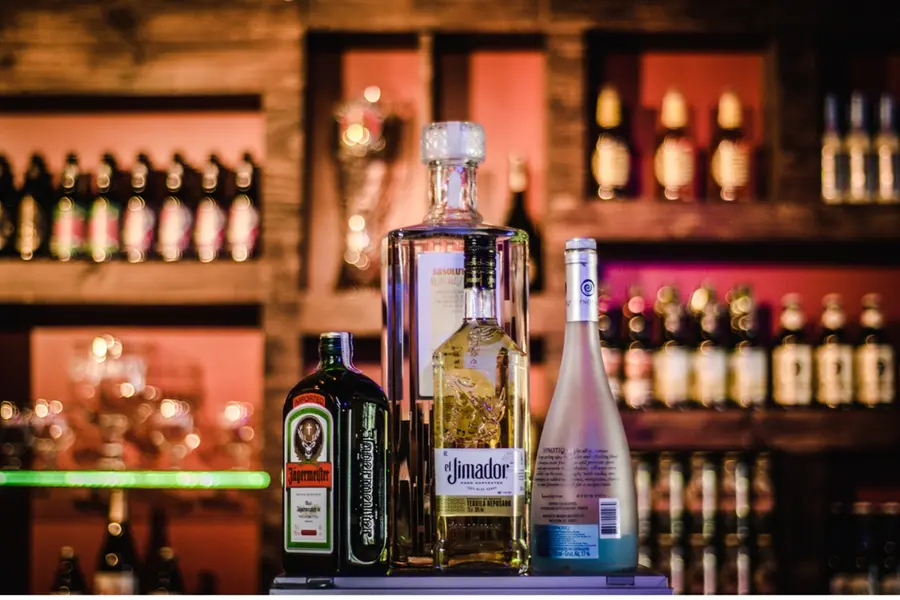
Bengaluru: The state of Karnataka has proposed a shift to an alcohol content-based excise duty structure as part of its 2026 budget reforms. Chief Minister Siddaramaiah announced the introduction of the Alcohol-in-Beverage (AIB) excise model, which links taxation directly to the percentage of alcohol in a drink rather than the total beverage volume.
The government said the reform aims to modernise the state’s decades-old excise system and align it with international taxation practices. Under the proposed structure, excise duty will be calculated per litre of alcohol content instead of per litre of beverage. Authorities described this as a method to target the harmful effects associated with alcohol consumption.
Also Read

The transition to the new policy is expected to be gradual over three to four years to avoid market disruption. The system is scheduled to become operational in April 2026.
The state also plans to remove its role in directly fixing retail liquor prices. Instead, product placement within pricing slabs will be determined by producers based on market demand. The number of pricing categories will be rationalised from 16 slabs to eight slabs to simplify the pricing mechanism.
The excise department has been assigned a revenue target of ₹45,000 crore for the financial year 2026–27. Industry bodies, including the Brewers Association of India, have welcomed the reform, describing it as a global best practice in alcohol taxation.
Vinod Giri, director general of the association, said the model reflects international standards where tax is levied on alcohol content rather than other beverage components. The industry body suggested that, if implemented accordingly, beer and wine prices could potentially become cheaper.
The government has stated that the policy shift is intended to improve taxation efficiency while maintaining a controlled transition for the liquor market in the state. Officials have emphasised that the framework is designed to modernise excise administration and enhance revenue predictability.
Detailed impact analysis suggests that the reform could influence beverage pricing structures, consumer costs, and alcohol market segmentation in the state, depending on how producers adjust product positioning within the new tax slabs. The policy marks one of the largest structural changes to excise taxation in Karnataka in recent years.
Published: 07 Mar 2026, 07:28 am IST
Related Topics
Disclaimer: Kindly avoid objectionable, derogatory, unlawful and lewd comments, while responding to reports. Such comments are punishable under cyber laws. Please keep away from personal attacks. The opinions expressed here are the personal opinions of readers and not that of Mathrubhumi.