
India may ban cough syrups for children under 2 and restrict use for those under 5 under draft NFI 2026 after contamination-linked deaths.
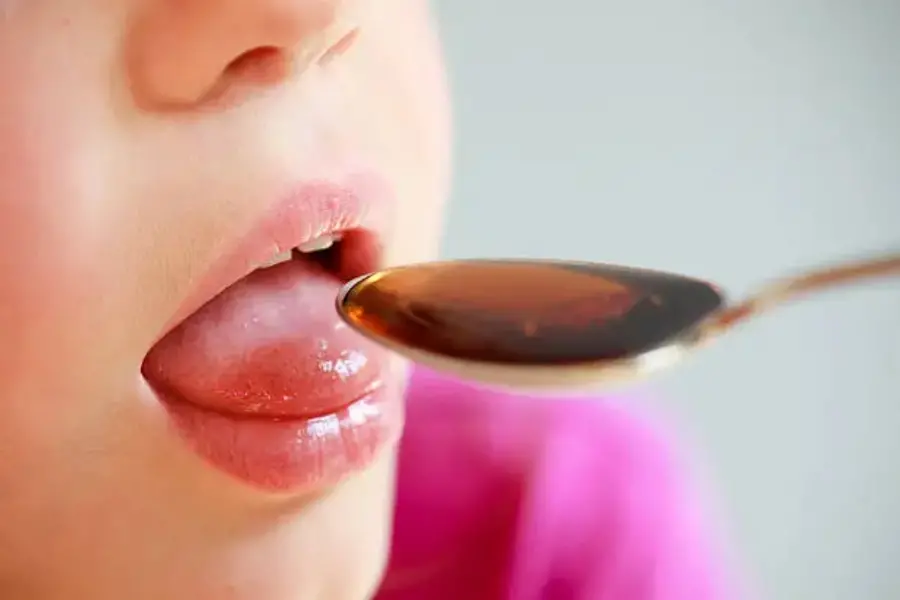
New Delhi: India’s Health Ministry is reportedly weighing a ban on prescribing paediatric cough and cold syrups for children below the age of two, while also discouraging their use for those under five, according to reports. The proposal is part of a draft update to the National Formulary of India (NFI) 2026, signalling a shift in treatment guidelines following safety concerns linked to recent deaths.
There has been no official confirmation from the ministry on the reported move so far.
Draft formulary proposes stricter norms
The draft NFI, released by the Indian Pharmacopoeia Commission, serves as a reference for doctors and pharmacists by standardising drug-related information such as dosage, indications, contraindications and side effects. It introduces tighter restrictions on the use of cough and cold medications in young children.
It explicitly states that “cough and cold medications should not be prescribed or dispensed to children under two years”. Additionally, the draft advises that such medicines are generally not recommended for children below five unless prescribed after careful clinical evaluation and under close medical supervision.
Safety concerns after contamination-linked deaths
The proposed changes come in the wake of contamination-related fatalities reported last year. Investigations had linked certain liquid oral formulations to the presence of toxic industrial solvents, including diethylene glycol (DEG) and ethylene glycol (EG).
These incidents prompted regulators to revisit safety standards for pharmaceutical ingredients, particularly those used in paediatric formulations.
Tighter quality checks for manufacturers
Under the draft guidelines, pharmaceutical companies would bear greater responsibility for ensuring product safety. The document places the onus on manufacturers to independently test both raw materials and finished products, reinforcing accountability across the supply chain.
The Indian Pharmacopoeia Commission has also revised standards for high-risk excipients such as glycerin, propylene glycol, sorbitol solution and liquid maltitol, as these may carry DEG impurities.
Manufacturers would be required to use pharmacopoeial-grade solvents and conduct rigorous batch-wise testing in approved laboratories, along with maintaining detailed records.
Industry groups, including the Indian Drugs Manufacturers Association, are currently reviewing the draft and are expected to submit their feedback.
Experts back move, cite limited benefits
Public health experts and doctors have largely welcomed the proposed restrictions, noting that cough syrups offer minimal therapeutic benefit in very young children while posing disproportionate risks.
They emphasised that coughing is a natural protective reflex and that treatment should focus on identifying and addressing underlying causes rather than suppressing symptoms. (IANS)
Published: 11 Apr 2026, 05:06 pm IST
Related Topics
Disclaimer: Kindly avoid objectionable, derogatory, unlawful and lewd comments, while responding to reports. Such comments are punishable under cyber laws. Please keep away from personal attacks. The opinions expressed here are the personal opinions of readers and not that of Mathrubhumi.
