
IndiGo plans to introduce Airbus A350 aircraft from 2028, bringing flat-bed seating to its long-haul flights. The move signals a shift in how Indian airlines are preparing to compete in the international market.
For many Indian air travellers, a long international flight often means choosing between sitting upright for several hours or paying a premium to stretch out in a business-class seat. That could gradually change as Indian airlines prepare to introduce more aircraft with flat-bed seating, offering passengers greater comfort on long journeys.
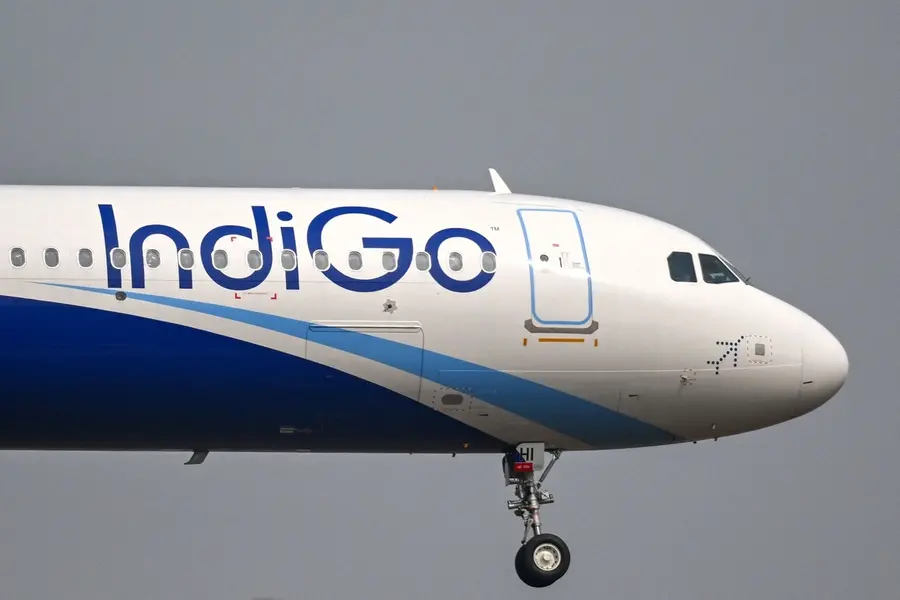
IndiGo, India's largest airline by fleet and daily operations, is preparing to enter the long-haul market with Airbus A350 wide body aircraft from the second quarter of 2028. The airline has also firmed up the configuration of 10 A350 aircraft, which will feature flat beds.
The development marks an important step in IndiGo's international expansion plans and signals how Indian airlines are looking beyond domestic and short-haul travel to compete in the growing long-distance market.
From affordable flights to longer journeys
IndiGo has built its business around affordable fares, a large fleet and efficient operations. Its planned A350 introduction will allow the airline to enter a different segment of international travel, where passenger comfort, aircraft range and the ability to operate longer routes become increasingly important.
Chief Executive Willie Walsh said the airline sees significant opportunities despite the challenges facing the aviation industry. Speaking at his first in-person briefing since taking charge in August, Walsh said IndiGo had the necessary ingredients to succeed in the long-haul market.
The airline currently operates more than 2,100 flights daily with a fleet of over 400 aircraft. Its wide-body expansion will add a new dimension to its existing operations, allowing it to explore longer international routes.
The A350 programme is particularly significant because it could help Indian passengers access more international destinations through direct flights, reducing the need to travel through foreign hubs for certain journeys.
Flat beds could change the passenger experience
The introduction of flat-bed seating is among the most interesting aspects of IndiGo's long-haul plans.
Unlike conventional seats, flat beds allow passengers to recline into a fully horizontal sleeping position. This is particularly valuable on overnight flights, where the ability to sleep comfortably can influence the overall travel experience.
IndiGo is also preparing to introduce flat-bed seating on its Airbus A321XLR aircraft in the coming years. The extended-range narrow-body aircraft is expected to support international routes that may not require a wide-body aircraft.
Together, the A321XLR and A350 could give the airline greater flexibility in serving international markets while offering passengers improved comfort on longer journeys.
For Indian travellers, this could mean more options for comfortable long-distance travel from Indian airports, potentially at different price points depending on the aircraft, route and cabin offered.
A strategic shift in India's aviation market
The move towards flat-bed seating reflects a broader change in the ambitions of Indian airlines.
For years, Indian carriers focused heavily on expanding domestic networks and connecting major cities with regional destinations. However, rising international passenger demand and the growing importance of India as an aviation market are encouraging airlines to strengthen their long-haul capabilities.
The A350 will allow IndiGo to compete in a segment traditionally dominated by full-service airlines and international carriers operating through major global hubs.
The strategy could also help the airline attract passengers who currently choose foreign airlines for long-distance journeys because of their network connectivity or premium cabin offerings.
However, the challenge will be to balance passenger comfort with the cost discipline that has been central to IndiGo's business model.
Navi Mumbai airport offers another opportunity
Walsh also identified Navi Mumbai International Airport as a major opportunity for IndiGo, particularly for its international operations. The airline has decided to shift part of its international flights to the new airport, with Walsh saying the decision was taken in the airline's interest.
For passengers in the Mumbai metropolitan region, the development could provide additional options for international travel as operations expand at the new airport.
The airport could also offer IndiGo greater flexibility in managing its growing network and developing international connectivity alongside its existing operations at Mumbai's Chhatrapati Shivaji Maharaj International Airport.
Cost pressures remain a challenge
IndiGo's expansion plans come at a time when airlines are facing pressure from rising fuel prices and currency movements. The airline reported a loss of Rs 1,879.1 crore in the September quarter, as higher fuel costs and rupee depreciation affected its profitability. It also reduced capacity amid the challenging operating environment.
Walsh acknowledged the difficulties facing the industry but said IndiGo would continue to navigate these challenges while maintaining a strong focus on its cost base.
The introduction of wide-body aircraft and premium seating will require the airline to carefully balance investment, operating costs and passenger demand.
IndiGo's A350 plans represent more than a fleet expansion. They point towards a future in which Indian airlines could offer passengers a wider choice of international travel experiences, including improved comfort on long-haul journeys.
The introduction of flat-bed seating on both wide-body and extended-range narrow-body aircraft could also allow airlines to develop different international products based on route demand and passenger preferences.
For travellers, the real benefit will depend on the routes served, fares offered and the availability of these seats.
With the A350 expected from 2028, IndiGo is preparing for a new phase of international growth. The airline's challenge will be to make long-haul travel more accessible while retaining the cost advantage that has helped it become a dominant player in Indian aviation.
Published: 02 Nov 2026, 02:37 pm IST


ABOUT THE AUTHOR

Related Topics
Disclaimer: Kindly avoid objectionable, derogatory, unlawful and lewd comments, while responding to reports. Such comments are punishable under cyber laws. Please keep away from personal attacks. The opinions expressed here are the personal opinions of readers and not that of Mathrubhumi.