
Widely known as the father of modern India, Raja Ram Mohan Roy transformed Indian society through groundbreaking reforms in women’s rights, education, social equality and freedom of expression. Here are seven of his greatest contributions that continue to shape India even today.
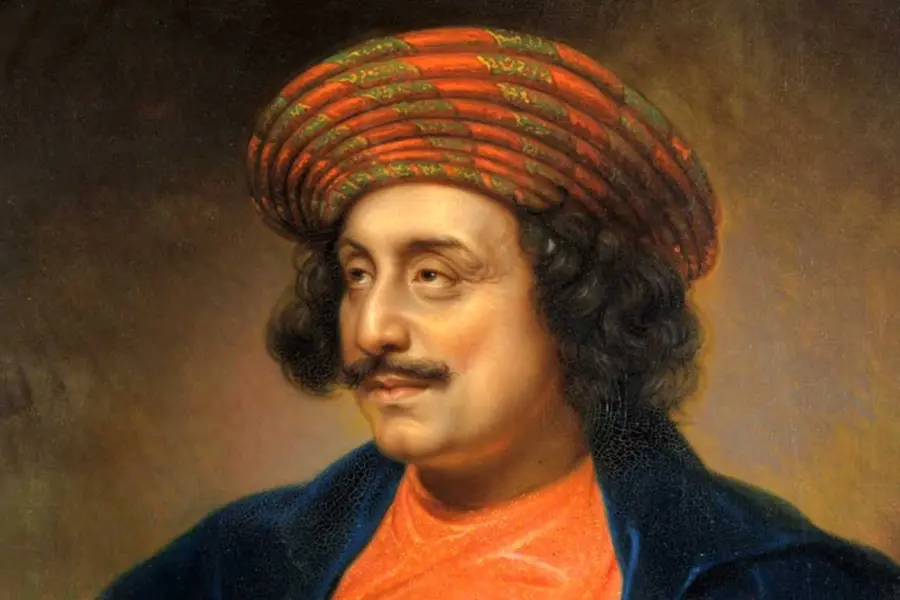
Widely regarded as the “father of modern India,” Raja Ram Mohan Roy played a transformative role in reshaping Indian society during the 19th century.
Born in Bengal in 1772, Roy emerged as a pioneering social and religious reformer who challenged orthodox traditions and championed rational thinking, women’s rights, education and freedom of expression.
On his 254th birth anniversary, here’s a look at seven of his greatest contributions to Indian society:
1. Campaign against Sati
Roy’s most historic contribution was his relentless fight against the practice of Sati, in which widows were forced to immolate themselves on their husbands’ funeral pyres. Through articles, petitions and public campaigns, he exposed the cruelty of the custom, helping pave the way for its abolition by the British government in 1829.
2. Championing women’s rights
Long before gender equality became a national conversation, Roy advocated for widow remarriage, women’s dignity, and access to education. He strongly opposed practices that discriminated against women and pushed for social reforms aimed at improving their status in Indian society.
3. Founding the Brahmo Samaj
In 1828, Roy founded the Brahmo Samaj, a reformist movement that rejected idol worship, caste discrimination, and rigid rituals. The movement encouraged monotheism, rationalism, and social reform, influencing generations of Indian thinkers and reformers.
4. Promoting modern education
Roy believed India’s future depended on scientific and modern education. He established institutions like the Anglo-Hindu School and Vedanta College and advocated the inclusion of Western science, mathematics and philosophy in Indian curricula instead of relying solely on traditional Sanskrit studies.
5. Fighting caste discrimination
At a time when caste hierarchies dominated social life, Roy openly criticised the caste system and promoted the idea of equality and social unity. His reformist ideas challenged deeply rooted social prejudices in Indian society.
6. Defending press freedom
As one of the founders of India’s early newspapers, Roy stood firmly for freedom of speech and expression. When the British imposed restrictions on the press in 1823, he led protests against censorship, arguing that freedom of expression was a natural right.
7. Bridging Indian and Western thought
Roy helped introduce modern political and philosophical ideas to India while simultaneously reviving interest in the ethical teachings of the Upanishads and Vedanta. By blending Indian traditions with progressive global ideas, he became one of the earliest architects of India’s intellectual modernity.
Even nearly two centuries after his death, Raja Ram Mohan Roy’s reformist vision continues to influence debates around equality, education, secularism, and social justice in India.
Published: 22 May 2026, 03:37 pm IST
Related Topics
Disclaimer: Kindly avoid objectionable, derogatory, unlawful and lewd comments, while responding to reports. Such comments are punishable under cyber laws. Please keep away from personal attacks. The opinions expressed here are the personal opinions of readers and not that of Mathrubhumi.
