
ECINet, launched on January 22, 2026, is a wider platform that brings together more than 40 applications and websites used by voters, candidates, political parties and election officials.
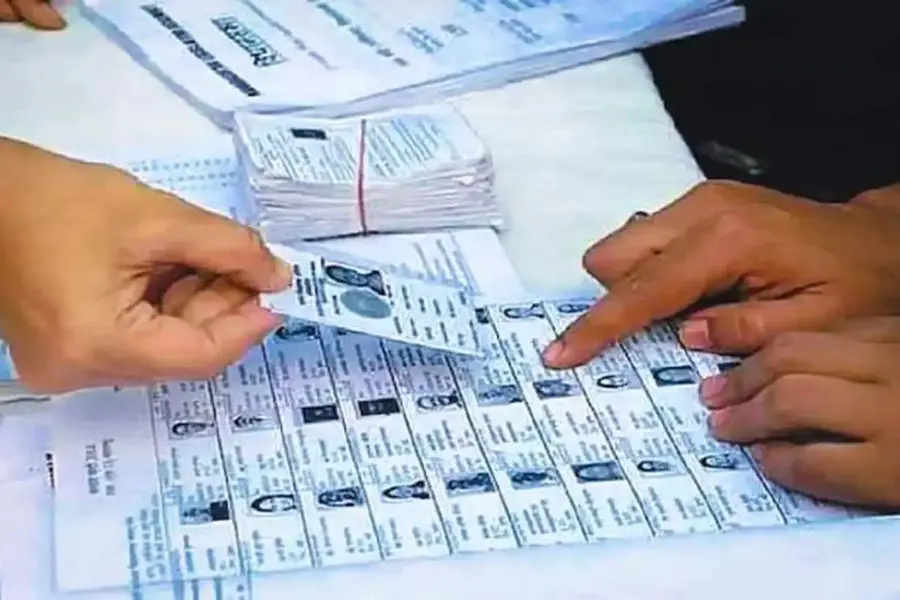
New Delhi: Every application to register as a voter, correct details in the electoral roll, or change an address eventually passes through the Election Commission’s digital systems, with ERONET serving as the core electoral roll management platform and its functions now integrated into the broader ECINet system.
The two systems have come under scrutiny following a report in The Indian Express that Election Commissioners Sukhbir Singh Sandhu and Vivek Joshi raised concerns over the centralisation of the electoral roll database and the extent of access available to election officials at the state level.
While the two platforms are closely connected, they serve different purposes.
ERONET was developed specifically to manage electoral rolls. It is the back-end system through which election officials process applications related to voter registration, migration, correction and deletion.
ECINet, launched on January 22, 2026, is a wider platform that brings together more than 40 applications and websites used by voters, candidates, political parties and election officials. The electoral roll functions earlier handled through ERONET have been integrated into ECINet and are now described by the EC as the “Electoral Roll module of ECINET Portal (previously ERONET).”
HOW DOES ERONET WORK?
Before ERONET was introduced, different states relied on separate applications and databases for managing electoral rolls. The Election Commission has said there were 36 such systems, ranging from spreadsheets to state-specific software.
ERONET was subsequently developed as a “centralized form processing system” for electoral roll-related processes, including registration, migration and deletion. The EC describes it as a “decision support system” for Electoral Registration Officers, or EROs.
The system, however, is not intended to independently decide whether a person’s name should be added to or removed from the electoral roll.
Under the Representation of the People Act, 1950, the ERO is the statutory authority responsible for preparing and revising the electoral roll of an assembly constituency.
For example, the system may flag two voter records as possible duplicates based on similarities in names, ages or other details. Such a flag does not automatically invalidate either record. The cases have to be examined by election officials and, where necessary, subjected to field verification before a decision is taken.
WHERE DOES ECINet FIT IN?
ECINet was launched on January 22, 2026, bringing together more than 40 applications and websites developed by the Election Commission over the years.
The unified platform provides services ranging from voter registration and electoral-roll searches to application tracking, downloading electronic voter identity cards and accessing polling station and candidate information.
The electoral roll functions previously handled through ERONET have now been incorporated into ECINet. The ECI’s official documentation refers to this as the “Electoral Roll module of ECINET Portal (previously ERONET).”
In simple terms, ERONET was the dedicated electoral-roll management system, while ECINet is the larger platform that now incorporates those functions along with several other election-related services.
The use of a centralised digital system for electoral-roll management is not new. The current questions concern the degree of centralisation and whether statutory election officials at the state and constituency levels have adequate control over the systems they use to manage voter records.
The Indian Express reported that Sandhu and Joshi had raised concerns about the “gradual centralisation of the electoral roll database” and the access available to election officials. The report said the two commissioners had repeatedly flagged the issue over the past year.
One example cited in the report relates to Goa during the Special Intensive Revision (SIR). EROs examined cases involving voters flagged for “logical discrepancies”. After considering their documents and circumstances, the EROs reportedly found 97 voters eligible for inclusion in the final electoral roll.
However, according to the report, the software did not provide an option for the EROs to reverse the earlier action and restore the names. The Goa Chief Electoral Officer’s office subsequently sought a “rollback” option from the EC.
WHAT ARE ‘LOGICAL DISCREPANCIES’?
A “logical discrepancy” refers to an apparent inconsistency detected when voter information is compared with earlier electoral rolls.
Such discrepancies could include an apparently improbable age difference between a voter and a parent, or differences between names appearing in older and newer electoral rolls.
Name differences can also result from transliteration. A name recorded in a regional language in an older roll may appear differently when rendered in English in a newer database.
Importantly, a logical-discrepancy flag by itself does not establish that a voter is ineligible or that the person’s name must be deleted. It triggers further scrutiny by election officials.
The EC’s electoral-roll system is designed to support processes including registration, field verification and decision-making by EROs.
The debate over ERONET and ECINet therefore centres not merely on the existence of a centralised database, but on how digital controls interact with the statutory authority of officials responsible for preparing and revising electoral rolls.
Published: 23 Sept 2026, 05:51 pm IST
ABOUT THE AUTHOR

Related Topics
Disclaimer: Kindly avoid objectionable, derogatory, unlawful and lewd comments, while responding to reports. Such comments are punishable under cyber laws. Please keep away from personal attacks. The opinions expressed here are the personal opinions of readers and not that of Mathrubhumi.