
The Supreme Court has sought responses on a plea challenging the immunity granted to the Chief Election Commissioner and Election Commissioners under the 2023 Act. During a separate SIR hearing, the bench also questioned the Election Commission over voter exclusion, deadlines and safeguards in the electoral roll revision process.
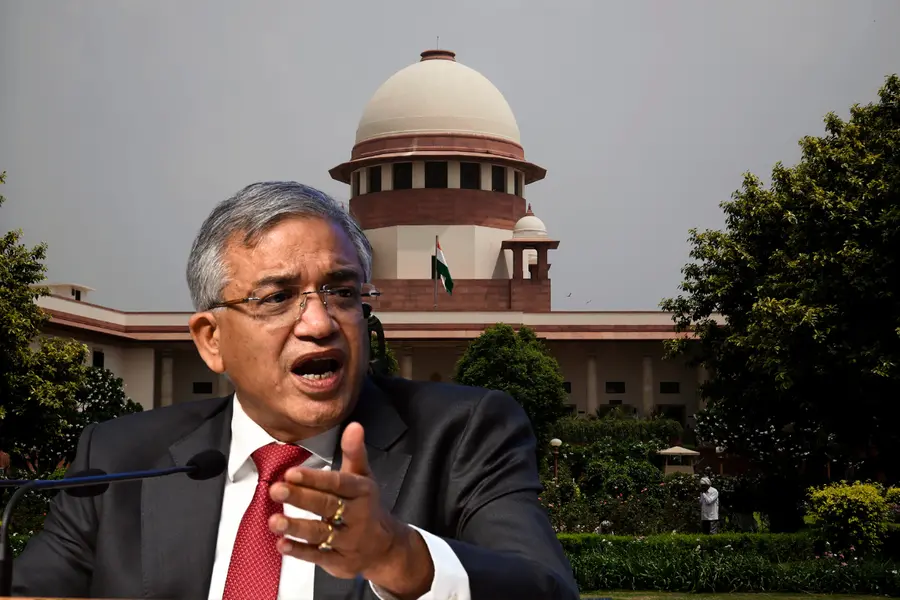
New Delhi: The Supreme Court has issued notice on a public interest litigation challenging the constitutional validity of Section 16 of the Chief Election Commissioner and Other Election Commissioners Act, 2023. The provision grants the Chief Election Commissioner (CEC) and Election Commissioners immunity from legal proceedings for acts performed or decisions taken in their official capacity during their tenure.
A bench comprising Chief Justice Surya Kant and Justices Joymalya Bagchi and V Mohana sought responses on the petition filed by activist and lawyer Arun Kumar Agrawal.
The petitioner has argued that Section 16 provides blanket protection without specifying exceptions for actions allegedly carried out in bad faith or beyond the officials' legal authority. The plea contends that such immunity limits citizens' access to civil and criminal remedies against members of the Election Commission.
The petition also argues that protecting the independence of the Election Commission should not mean removing accountability for its officials. It has asked the court to declare Section 16 unconstitutional.
The development came during a separate hearing on petitions challenging the Election Commission's Special Intensive Revision (SIR) of electoral rolls.
Supreme Court questions SIR timelines and voter safeguards
During the SIR hearing, the bench questioned the Election Commission about the urgency and implementation of the revision exercise. It asked whether the process had been designed to harass or intimidate voters and questioned the need to conduct it in Delhi when no election was imminent.
The court said the Election Commission should avoid insisting on rigid deadlines and ensure that voters could submit enumeration forms even after the prescribed dates.
It also questioned why people whose names were already on the electoral rolls but were missing from the draft lists were being asked to submit Form 6 again.
Justice Joymalya Bagchi raised concerns about the consequences of missing deadlines, asking whether a voter could be punished for negligence by permanently losing the right to vote.
The bench directed the Election Commission to display physical lists of deleted voters at the block level in local languages. It also told petitioners and voters that there was no need to panic while the matter remained under judicial consideration.
The Election Commission informed the court that it would consider extending the deadlines in Delhi and permitting late submission of enumeration forms.
The next hearing in the SIR matter is scheduled for November 19. The court also clarified that deletion of a name during the revision exercise or the expiry of a deadline does not permanently prevent a person from being added to the electoral roll. Voters can seek corrections until the last date for filing nominations.
Why the immunity provision matters
Section 16 of the 2023 Act has raised questions about the balance between protecting the independence of the Election Commission and ensuring accountability for its decisions.
The provision protects the CEC and Election Commissioners from legal proceedings for official acts during their tenure. The petition argues that the protection is too broad because it does not clearly distinguish between actions taken in good faith within legal authority and those allegedly involving misconduct or an abuse of power.
The issue is significant because the Election Commission is responsible for conducting elections and maintaining electoral rolls. Its decisions can directly affect citizens' ability to participate in the democratic process.
The Supreme Court's notice does not mean that the provision has been struck down or declared unconstitutional. It means the court has sought responses before examining the challenge.
The SIR hearing raises a related but separate issue: how electoral roll revisions can be conducted while protecting voters from wrongful exclusion. The court's questions on deadlines, deleted names and access to correction procedures highlight the importance of transparent processes and effective safeguards.
The two matters bring attention to different aspects of electoral accountability — the legal protection available to election officials and the safeguards available to voters affected by the Commission's decisions.
Published: 04 Nov 2026, 04:46 pm IST


ABOUT THE AUTHOR

Related Topics
Disclaimer: Kindly avoid objectionable, derogatory, unlawful and lewd comments, while responding to reports. Such comments are punishable under cyber laws. Please keep away from personal attacks. The opinions expressed here are the personal opinions of readers and not that of Mathrubhumi.