
Delhi Police has installed four facial recognition system units at key entry and exit points around Jantar Mantar, according to police sources. The cameras are connected to the Delhi Police database and are being monitored in real time by officers.
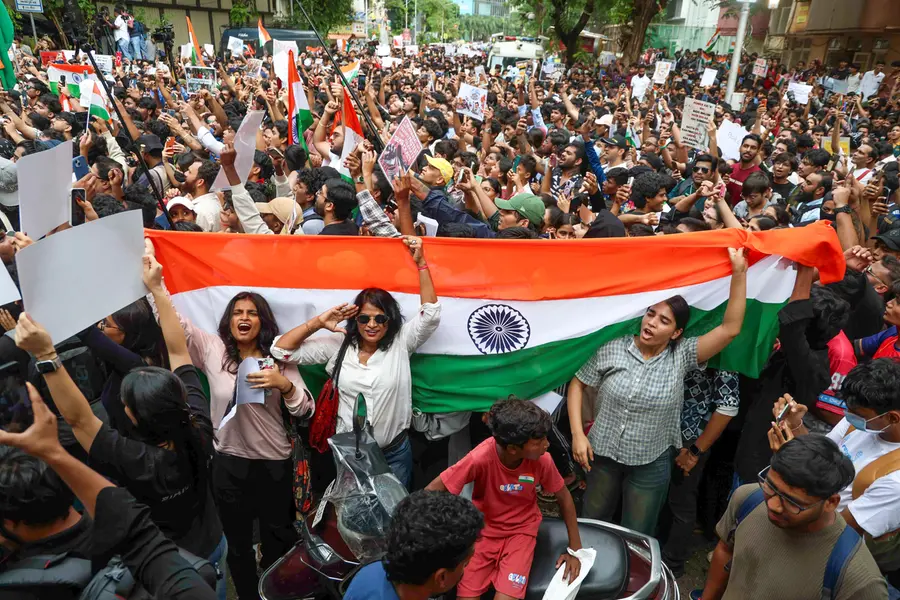
New Delhi: Delhi Police has deployed facial recognition system (FRS) cameras around the Jantar Mantar protest site, saying the technology is aimed at identifying wanted criminals and preventing law and order issues. The move comes amid the ongoing CJP protest, while the use of facial recognition at a public demonstration has also renewed discussions around surveillance, privacy and the balance between security and civil liberties.
Police sources said the system has identified more than 2,500 people with alleged criminal backgrounds through database matches. They said the technology is being used to detect wanted criminals, absconders, history-sheeters and people listed as “Bad Characters” in police records.
Also Read

Officials said the system is not intended to identify ordinary protesters but to prevent individuals with criminal records from entering the protest site and disturbing law and order.
How the facial recognition system works
According to police officials, the cameras use high-resolution imaging technology to capture faces from a distance. The captured images are then matched against existing police records.
If a match is found with a wanted person or someone listed in police databases, officers are alerted so that further verification or legal action can be taken.
Police said similar facial recognition technology has been used during major public events, including Republic Day, Independence Day celebrations and other large gatherings, as part of security arrangements.
Why police introduced the system now
The deployment comes during the ongoing CJP protest at Jantar Mantar over alleged examination irregularities and the NEET paper leak controversy.
Large protests often create security challenges for authorities, including crowd management, identification of individuals involved in violence and prevention of criminal activity. Police officials have argued that such technology helps them respond faster and improves security monitoring.
Privacy and surveillance concerns
The use of facial recognition technology at a political protest has also raised broader questions about surveillance and privacy.
Civil rights experts have previously raised concerns over the collection and use of biometric data, especially in situations where people are participating in lawful demonstrations. Critics argue that widespread monitoring at protest sites could create a chilling effect, where people may hesitate to participate due to concerns about being tracked or identified.
Questions have also been raised about transparency, including how long facial data is stored, who can access it and what safeguards exist to prevent misuse.
Security versus civil liberties debate
Supporters of facial recognition systems argue that authorities need modern tools to identify criminals and protect public safety, especially at large gatherings.
Critics, however, say security measures must be balanced with privacy protections and should not result in monitoring ordinary citizens exercising their right to protest.
The Jantar Mantar deployment has therefore become part of a wider debate over how technology should be used in public spaces — whether as a security tool against criminal activity or as a potential expansion of state surveillance.
Published: 24 Jul 2026, 11:10 pm IST
ABOUT THE AUTHOR
Related Topics
Disclaimer: Kindly avoid objectionable, derogatory, unlawful and lewd comments, while responding to reports. Such comments are punishable under cyber laws. Please keep away from personal attacks. The opinions expressed here are the personal opinions of readers and not that of Mathrubhumi.