
The court emphasised that personal attacks on a judge are attacks on the institution itself.
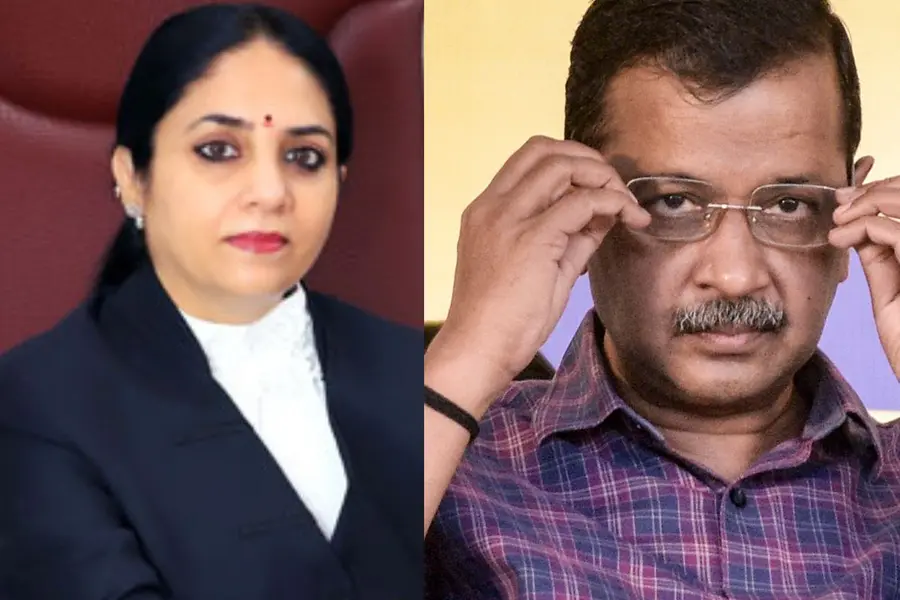
New Delhi: In a major ruling on Monday, Justice Swarana Kanta Sharma of the Delhi High Court declined to recuse herself from hearing the CBI’s challenge against the discharge of former Chief Minister Arvind Kejriwal and others in the liquor policy case. The verdict followed a day of multiple timing revisions, eventually being delivered after the judge took Kejriwal’s additional rejoinder on record as written submissions, noting she was going “out of her way” to ensure the litigant felt heard.
Rejecting allegations of bias
The recusal was sought by Kejriwal, Manish Sisodia, and others, citing a "direct conflict of interest" because the judge’s children are empanelled as central government lawyers. Kejriwal also pointed to the judge’s attendance at Adhivakta Parishad events and previous orders denying him relief.
Justice Sharma dismissed these claims, stating that impartiality is an ethical presumption that a litigant must rebut with evidence, not mere apprehension. She clarified that her children have no connection to the excise case and that a litigant cannot dictate how a judge's family lives their lives. Regarding the legal forums, she noted that judges routinely attend such events and that "selective" targeting based on social media narratives would not be tolerated.
A "theatre of perception"
The judge observed that the courtroom cannot become a "theatre of perception". She addressed a "novel" argument regarding an Agni Pariksha (trial by fire), questioning why a judge should undergo such a test merely because an accused fears an unfavourable outcome. Justice Sharma described the application as a "catch-22" situation designed to create a win-win narrative for the litigant regardless of her decision. She maintained that while the "easier path" would be to withdraw, a judge cannot abandon judicial responsibility in the face of manufactured allegations.
Focus on institutional integrity
The court emphasised that personal attacks on a judge are attacks on the institution itself. Justice Sharma remarked that the "robe this court wears is not so light" and that she would remain uninfluenced by political statements or social media campaigns. She further noted that the Supreme Court had not set aside her previous orders, and a politician cannot judge judicial competence.
With the recusal pleas rejected, the court has granted a final opportunity for replies by Saturday. The main matter is now listed for arguments on April 29 and 30.
Published: 20 Apr 2026, 04:37 pm IST
Related Topics
Disclaimer: Kindly avoid objectionable, derogatory, unlawful and lewd comments, while responding to reports. Such comments are punishable under cyber laws. Please keep away from personal attacks. The opinions expressed here are the personal opinions of readers and not that of Mathrubhumi.
