
Used across 10+ countries and chosen with a strict protocol – here’s how a name saves lives.
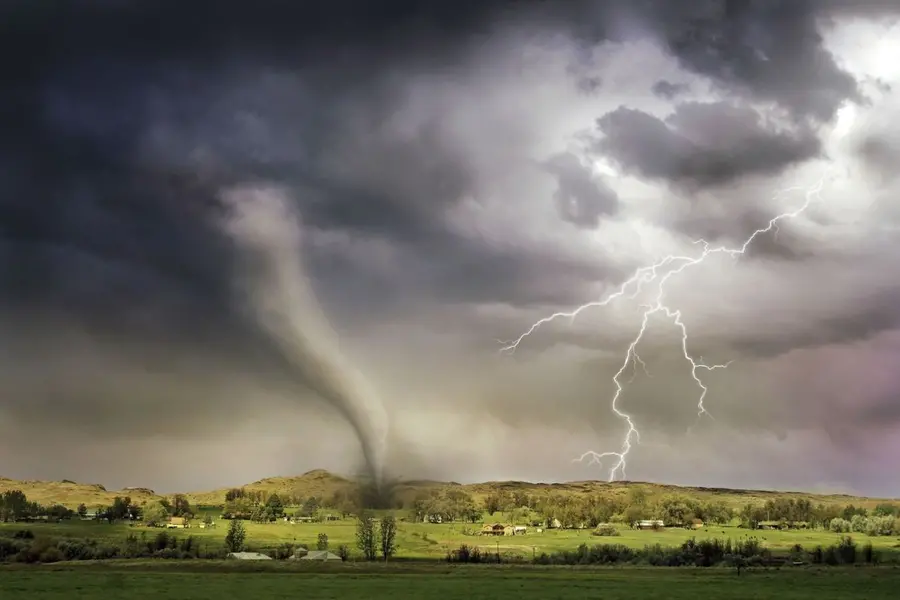
The India Meteorological Department (IMD) has issued warnings as Cyclone Montha approaches parts of India, putting several states on alert. Named to aid swift identification and public awareness, Montha (means beautiful or fragrant flower) is drawing attention not only for its potential impact but also for its unique origin.
Why cyclones in the North Indian Ocean need names
Tropical cyclones forming over the North Indian Ocean (NIO), including the Bay of Bengal and Arabian Sea, are assigned names to ensure timely warnings and clear communication. Montha (pronounced Mon-Tha) was contributed by Thailand and is part of a revised naming list adopted in 2020.
Who names these cyclones?
The IMD is responsible for naming cyclones as one of six Regional Specialised Meteorological Centres (RSMCs) worldwide. The process involves 13 WMO/ESCAP member countries, including Bangladesh, Pakistan, Iran, Saudi Arabia, Sri Lanka, and Thailand, all of whom submit names to a shared register. Tropical cyclone naming in this region officially began in September 2004.
When does a storm receive its name?
A cyclone is assigned a name once it reaches a sustained surface wind speed of 34 knots (62 kmph) or higher. The RSMC in New Delhi makes the official announcement. Montha is part of the list finalised by the WMO/ESCAP Panel on Tropical Cyclones (PTC) in April 2020, used across all member countries.
The strict rules behind cyclone names
The selection of names like Montha follows rigorous guidelines:
- Neutrality: Names must avoid political, religious, cultural, or gender bias.
- No offence: Names cannot insult or hurt any community worldwide.
- Simplicity: Names must be easy to pronounce and no longer than eight letters.
- Uniqueness: Once used for an NIO cyclone, the name cannot be repeated.
These rules ensure that every cyclone name is universally understood, helping authorities and the public quickly share vital warnings.
Published: 26 Oct 2025, 10:51 am IST
Disclaimer: Kindly avoid objectionable, derogatory, unlawful and lewd comments, while responding to reports. Such comments are punishable under cyber laws. Please keep away from personal attacks. The opinions expressed here are the personal opinions of readers and not that of Mathrubhumi.
