
In a sharp courtroom exchange, CJI Surya Kant likened some unemployed youngsters to “cockroaches” who become media, social media and RTI activists and “attack the system”, as he rebuked a lawyer chasing senior advocate status and even hinted at CBI checks on lawyers’ degrees.
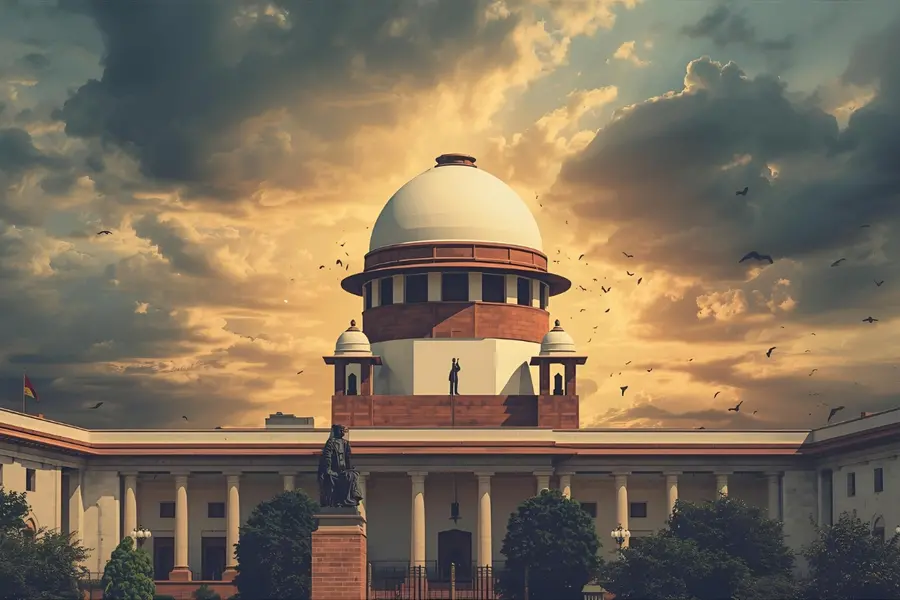
Chief Justice of India (CJI) Surya Kant on Friday courted controversy in open court, likening some unemployed youngsters to “cockroaches” who, he said, reinvent themselves as media, social media and RTI activists and ‘start attacking everyone’, even as he pulled up a lawyer for aggressively pursuing the coveted senior advocate designation.
The sharp remarks came during a hearing before a bench of CJI Kant and Justice Joymalya Bagchi, which was dealing with a petition by a Delhi-based lawyer challenging aspects of the process for designating senior advocates and pressing his own claim to the title. Visibly irked by the petitioner’s conduct and past social media posts, the bench questioned both his eligibility and his sense of propriety.
“The entire world may be eligible to become senior (advocate), but at least you are not entitled,” the CJI told the lawyer from the dais, making it clear that the court was unimpressed with his pursuit of the honour.
‘Youngsters Like Cockroaches… They Become Media, RTI Activists’
In the course of the exchange, CJI Kant launched into a broader critique of what he described as a growing breed of professional detractors who target institutions from the outside.
Also Read: Judicial leadership suffers when judges 'pretend they are not imperfect'
“There are youngsters like cockroaches, who don’t get any employment or have any place in profession. Some of them become media, some of them become social media, RTI activists and other activists and they start attacking everyone,” he said, according to the court record.
The bench also referred to the language the petitioner had used on Facebook, suggesting that it reflected poorly on his suitability for elevation. “There are already parasites of society who attack the system and you want to join hands with them?” the CJI asked, indicating that the court saw a pattern between toxic online commentary and attempts to undermine judicial processes.
The comments, coming from the country’s highest judicial office, are likely to spark debate about the tone of public criticism from the Bench and about the court’s view of independent media and activist ecosystems.
‘If High Court Makes You Senior, We’ll Set It Aside’
The bench did not stop at rhetorical rebukes. Questioning the petitioner’s insistence on being designated a senior advocate, the judges stressed that the status is meant to be conferred as recognition, not chased as a trophy.
“Is this the conduct of a person who seeks to be designated as a senior advocate?” the bench asked. “You are pursuing it. Does it look proper? Is a senior advocate designation a status symbol to be kept ornamentally?”
Also Read: Did you know? India has over 4.76 crore pending court cases
At one point, the CJI remarked that if the Delhi High Court were to confer senior status on the petitioner, the Supreme Court would be inclined to set it aside in view of his professional conduct. The bench also asked whether the lawyer had any other litigation to focus on, pointedly hinting that his priorities were skewed.
Senior advocate designation, under Section 16 of the Advocates Act and the Supreme Court’s own 2017 guidelines, is reserved for advocates of “standing and ability” with specialised knowledge and a demonstrated record before the courts. It is typically granted on the recommendation of a permanent committee rather than on individual demand.
Doubts Over Degrees, Swipe at Bar Council
In a further broadside, the bench raised questions about the genuineness of law degrees held by some members of the Bar. The CJI said the court was inclined to ask the Central Bureau of Investigation (CBI) to verify the educational qualifications of “many of those who were wearing black robes”, suggesting there were “serious doubts” about how some advocates had obtained their credentials.
Also Read: 'Saying judiciary immune from gender inequalities far from reality'
The CJI also took aim at the Bar Council of India (BCI), asserting that the regulator was unlikely to act on such issues because it “needs their votes” – a stark comment on what the bench appeared to see as the politicisation of regulatory oversight within the legal profession.
Confronted with the court’s criticism, the petitioner apologised to the bench and sought permission to withdraw his plea. The court allowed the withdrawal, bringing the immediate proceedings to a close.
Published: 15 May 2026, 03:18 pm IST
Disclaimer: Kindly avoid objectionable, derogatory, unlawful and lewd comments, while responding to reports. Such comments are punishable under cyber laws. Please keep away from personal attacks. The opinions expressed here are the personal opinions of readers and not that of Mathrubhumi.
