
Calcutta High Court dismisses TMC’s plea after ED confirms no seizure during I-PAC raid.
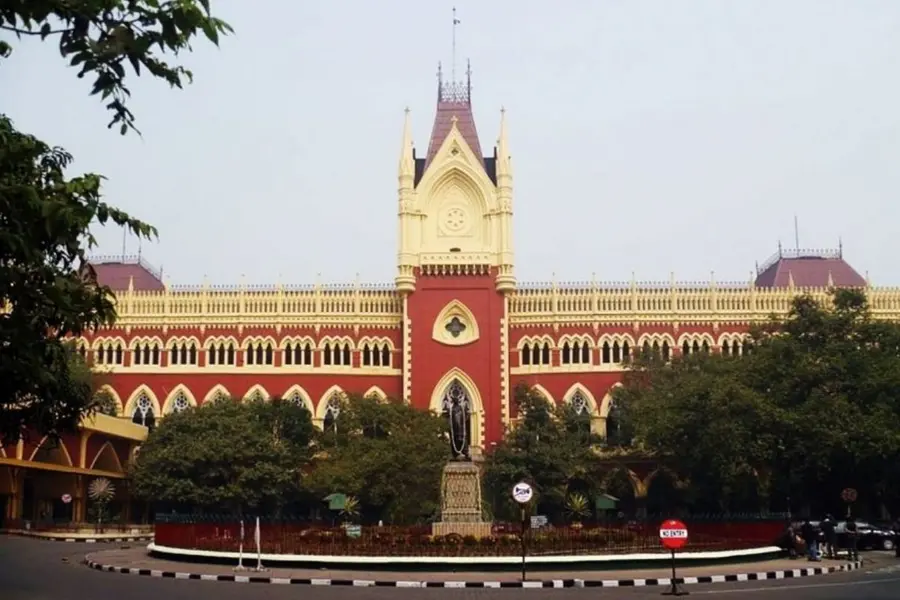
Kolakata: The Calcutta High Court disposed of the plea filed by the Trinamool Congress, which had sought protection and preservation of data allegedly seized by the ED during searches conducted on January 8 at the premises of I-PAC.
The Supreme Court of India will hear the Enforcement Directorate’s pleas on Thursday in its case against the Government of West Bengal and Chief Minister Mamata Banerjee. The matter will be taken up by a Bench headed by Justice Prashant Kumar Mishra.
Also Read

During the hearing, the High Court recorded the ED’s statement that no material or data was seized during the searches.
Also read: TMC moves Cal HC seeking restraint on 'misuse' of documents seized by ED during iPAC raids
This came after TMC’s counsel submitted that the party was pressing only one limited relief—protection of its data, if any had been seized, and that the plea could be disposed of upon the court recording the agency’s statement.
The ED, on instructions, further informed the court that nothing whatsoever was seized from either the I-PAC office or the residence of its director.
The court took note of the panchanamas prepared by the probe agency, which showed that no seizure had been made at either location. The High Court also recorded that no backup of any data was created by the ED during the searches.
Counsel appearing for Mamata Banerjee was present during the proceedings and made submissions before the court. The observations were noted while the court recorded the final position on seizure and data preservation in the matter.
The High Court observed that TMC’s only surviving prayer was for preservation and protection of politically confidential data from being circulated or divulged at the behest of the respondents, and that all other prayers were not pressed.
In view of the ED’s submissions and the documentary record, the court held that nothing survived in the application and accordingly disposed of the plea, while adjourning the ED’s separate petition at the agency’s request, noting that connected issues are pending before the Supreme Court.
Published: 14 Jan 2026, 04:18 pm IST
Related Topics
Disclaimer: Kindly avoid objectionable, derogatory, unlawful and lewd comments, while responding to reports. Such comments are punishable under cyber laws. Please keep away from personal attacks. The opinions expressed here are the personal opinions of readers and not that of Mathrubhumi.