
The 140-point declaration adopted unanimously at the BRICS Summit addresses conflicts, global trade, UN reform, emerging technologies and terrorism, with India steering the grouping towards consensus despite geopolitical differences.
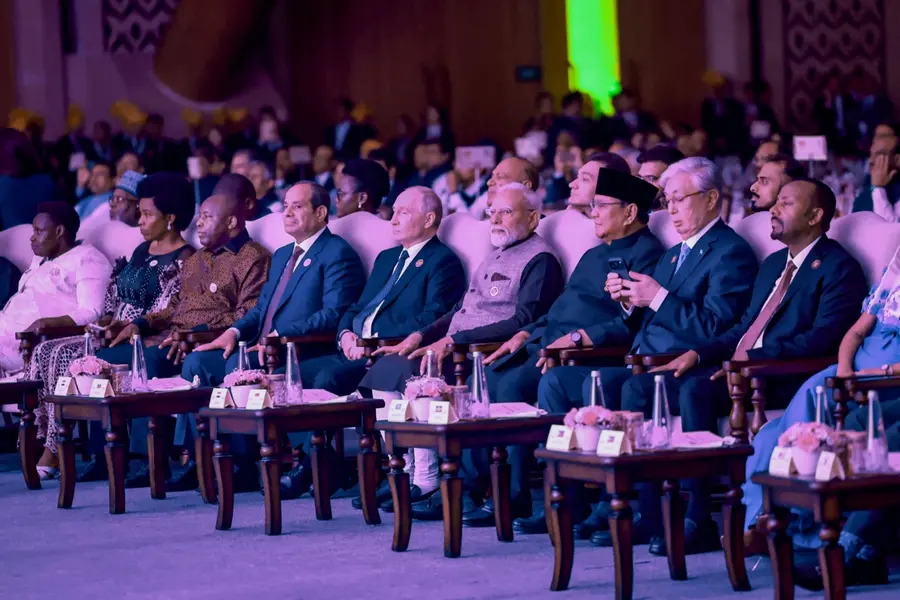
New Delhi: A 140-point declaration bringing together countries with sharply divergent geopolitical interests was adopted unanimously at the 18th BRICS Summit in New Delhi on Saturday, with Prime Minister Narendra Modi announcing that no member had objected to the document.
'No member has raised any objection. The New Delhi Declaration 2026 is adopted unanimously,' Modi said at the summit.
The consensus assumes significance as BRICS navigates multiple global fault lines, from conflicts in West Asia and the Gaza crisis to trade tensions, terrorism and debates over the future of multilateral institutions.
Here are 10 key takeaways from the New Delhi Declaration 2026:
1. Push for UN reform
The declaration reiterates the importance of reforming and strengthening multilateral institutions, including the United Nations. BRICS has sought a more representative and inclusive international system that reflects the changing realities of the global order.
2. Concern over unilateral tariffs
Global trade remains a major focus of the declaration. BRICS expressed serious concern over the increasing use of unilateral tariff and non-tariff measures, arguing that such measures distort international trade and are inconsistent with World Trade Organization rules.
3. Gaza and the West Asia crisis
The declaration comes amid continuing conflict and heightened tensions in West Asia. The Gaza situation has added to the diplomatic complexity within BRICS, particularly as member countries hold different positions and strategic interests in the region.
4. Strong stand against terrorism
Terrorism remains a key issue in the declaration, with BRICS reiterating its opposition to terrorism in all its forms and manifestations. The grouping has placed the issue within its broader call for international cooperation and collective action against terrorism.
5. Pahalgam terror attack
The Pahalgam terror attack also finds place among the issues addressed by BRICS. The reference assumes significance for India as New Delhi continues to underline the need for a stronger international response against terrorism.
6. Responsible approach to AI
Artificial intelligence has emerged as another important area of focus. BRICS is seeking greater cooperation around emerging technologies while emphasising an approach to AI that supports innovation, development and responsible governance.
7. Conflict prevention over crisis response
The declaration places emphasis on preventing conflicts and addressing their root causes. Rather than limiting international efforts to managing crises after they erupt, BRICS has called for greater attention to the underlying factors driving conflicts.
8. Dialogue and diplomacy
The grouping has reiterated its commitment to the peaceful resolution of international disputes through dialogue, consultation and diplomacy. The emphasis reflects an effort to preserve diplomatic channels despite deep differences among member states.
9. Respect for different national positions
The declaration advocates a multilateral approach that recognises the diverse viewpoints of BRICS members. This was particularly important at a summit where countries such as Iran, Saudi Arabia and the UAE face a complicated geopolitical landscape and do not always share identical positions on international issues.
10. A stronger voice for the Global South
Earlier, PM Modi called for a more ambitious BRICS agenda for the next two decades, arguing that the grouping can help the Global South move from being a passive recipient of global decisions to an active force in shaping them.
Modi said BRICS had reached a moment of 'coming of age' after two decades of building its identity on the global stage.
India is hosting the 18th BRICS Summit under its chairship, guided by the theme 'Building for Resilience, Innovation, Cooperation and Sustainability.' Development, sustainability and innovation are among the key areas of focus.
The summit is being attended by Russian President Vladimir Putin, Chinese President Xi Jinping, South African President Cyril Ramaphosa, Iranian President Masoud Pezeshkian and Egyptian President Abdel Fattah el-Sisi, among other leaders.
The unanimous adoption of the 140-point declaration marks a significant diplomatic outcome for India, which managed to steer the grouping towards a common position despite differences over some of the most contentious issues on the global agenda.
Published: 12 Sept 2026, 09:59 pm IST
ABOUT THE AUTHOR

Related Topics
Disclaimer: Kindly avoid objectionable, derogatory, unlawful and lewd comments, while responding to reports. Such comments are punishable under cyber laws. Please keep away from personal attacks. The opinions expressed here are the personal opinions of readers and not that of Mathrubhumi.