
See how Bihar`s alcohol ban, studied by IIT Kanpur, significantly improved nutrition. Households now spend more on healthy foods, boosting protein & healthy fats. Click to learn more!
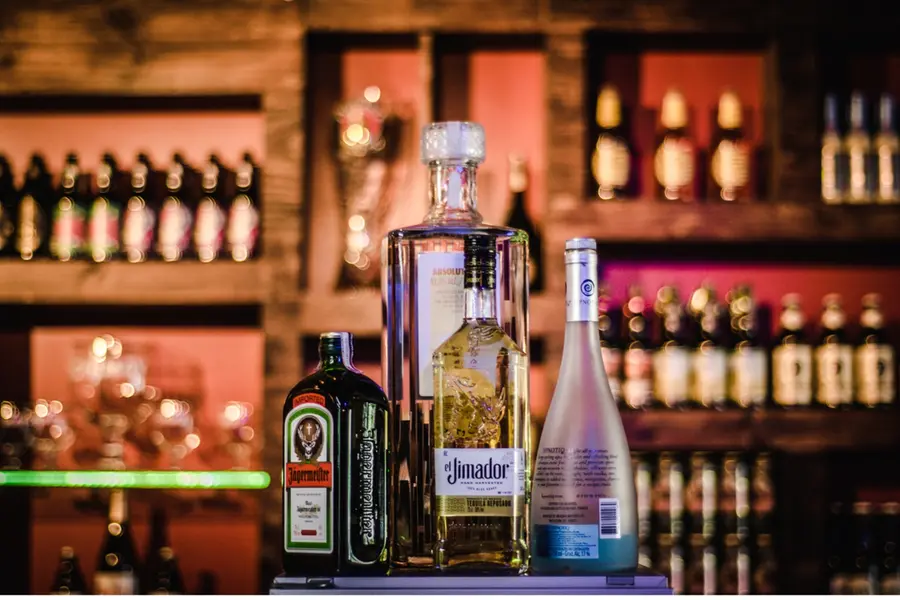
Patna: The Bihar alcohol ban, implemented in 2016 by the Nitish Kumar-led government, has led to higher intake of calories, protein, and healthy fats from nutritious food, according to a new study by researchers at IIT Kanpur.
Published in the journal Agricultural Economics, the study found that households in Bihar increased consumption of pulses, dairy products, and healthier cooking oils, while spending less on packaged and processed foods, which are often linked to alcohol consumption.
The researchers said alcohol prohibition under the Bihar Prohibition and Excise Act freed up household resources that were redirected toward better-quality food.
“The ban did not just free up household resources; it also triggered positive behavioural spillovers,” said Vinayak Krishnatri, from IIT Kanpur’s Department of Economic Sciences. “Reduced alcohol use was associated with lower marital conflict, improved household stability, and a greater prioritisation of spending on nutritious food.”
The study analysed household-level data from two rounds of the National Sample Survey Office’s Consumer Expenditure Survey — 2011–12 (pre-ban) and 2022–23 (post-ban). Bihar’s trends were compared with neighbouring states such as Uttar Pradesh, Jharkhand, and West Bengal to isolate the impact of prohibition.
Researchers used multiple statistical methods and robustness checks to confirm the findings.
Protein intake and quality fats increased
One of the key findings was a significant rise in protein intake in Bihar, where diets are traditionally dominated by cereals. Households also shifted away from cheaper, unhealthy fats toward better-quality edible oils, improving overall nutrition.
The study noted that urban areas saw stronger gains, likely due to more effective enforcement of the liquor ban.
Beyond social reform goals
While the Bihar liquor ban was primarily aimed at reducing domestic violence and alcohol-related social harm, the research shows it also produced unintended health and nutrition benefits.
“We show that the ban led to meaningful improvements in diet quality by shifting household spending from alcohol to food,” said Prof. Sukumar Vellakkal, co-author of the study and Associate Professor at IIT Kanpur.
Published: 17 Jan 2026, 06:52 pm IST
Disclaimer: Kindly avoid objectionable, derogatory, unlawful and lewd comments, while responding to reports. Such comments are punishable under cyber laws. Please keep away from personal attacks. The opinions expressed here are the personal opinions of readers and not that of Mathrubhumi.
