
Centre permits Andhra Pradesh to draft ToR for seven water aerodromes before full environmental clearance
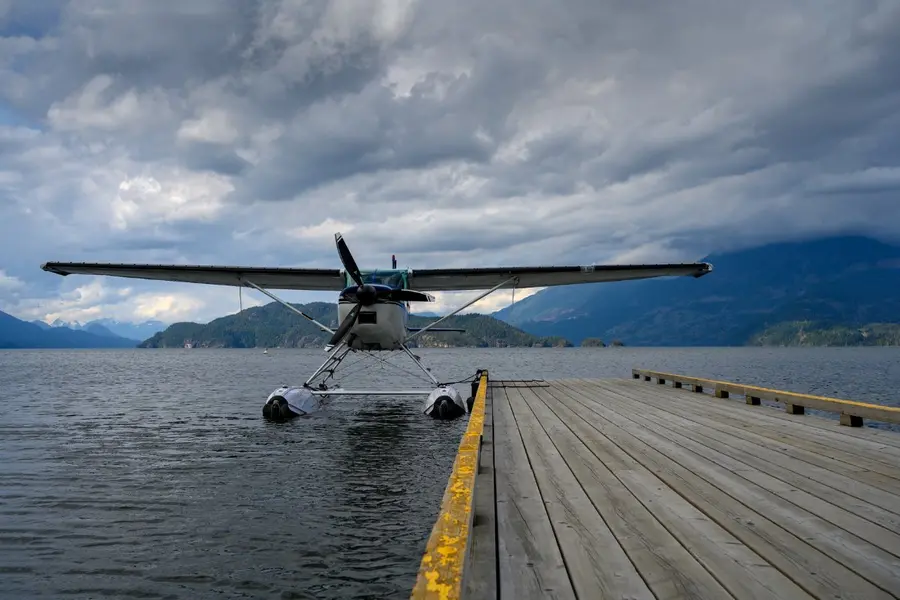
The Andhra Pradesh government has taken a significant step toward developing seven water aerodromes, including one in Visakhapatnam, after receiving approval from the Expert Appraisal Committee (EAC) under the Ministry of Environment, Forest and Climate Change. Sources claims that the committee has allowed the state to prepare the Terms of Reference (ToR), the first stage required before seeking full environmental clearance.
The project is being led by the Andhra Pradesh Airports Development Corporation Ltd, which had requested permission from the Ministry to draft the ToR for all seven locations.
The water aerodromes have been proposed at Jalaput Lake, Sileru – Lambasing in Alluri Sitharama Raju district, Srisailam in Nandyal district, Kakinada, Prakasam Barrage, Vijayawada, Gandikota in YSR Kadapa district, Visakhapatnam
These aerodromes are intended to support seaplane and amphibious aircraft operations, boosting regional connectivity and tourism across Andhra Pradesh.
While granting in-principal approval, the Expert Appraisal Committee pointed out that some important consultations had not yet been completed. The project authorities have not consulted the Ministry of Civil Aviation, which is essential for airspace planning and operational coordination and a No Objection Certificate (NOC) is pending from the Ministry of Defence to ensure the proposed aerodromes do not interfere with defence activities or restricted airspace.
The committee has instructed the project proponent to address these gaps before moving ahead with the full environmental assessment.
With the ToR preparation approved, the state government will now draft a detailed scope for environmental studies. This will include assessments of impact of waterbody, local ecology and wildlife impact, noise levels and surrounding communities along with safety and operational feasibility of all of the above.
Only after completing these studies can Andhra Pradesh seek full environmental clearance for the construction and operation of the water aerodromes.
The project signals the state’s interest in tapping into water-based aviation infrastructure, a model that has seen growing interest across India as a cost-effective way to improve remote connectivity.
Published: 11 Dec 2025, 08:50 pm IST
ABOUT THE AUTHOR

Related Topics
Disclaimer: Kindly avoid objectionable, derogatory, unlawful and lewd comments, while responding to reports. Such comments are punishable under cyber laws. Please keep away from personal attacks. The opinions expressed here are the personal opinions of readers and not that of Mathrubhumi.