
No more Aadhaar photocopies for OYO bookings as UIDAI rolls out digital verification
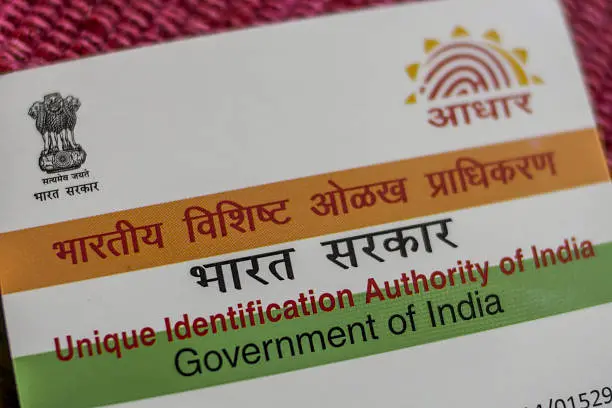
UIDAI has introduced a new rule requiring hotels and platforms like OYO to switch to digital Aadhaar verification, ending the practice of collecting photocopies and strengthening user privacy.
UIDAI bans Aadhaar photocopies for private bookings
Also Read

The Unique Identification Authority of India (UIDAI) has issued a new rule preventing hotels, OYO, event organisers, and other private entities from collecting Aadhaar photocopies during bookings or entry. The measure aims to strengthen privacy and replace paper-based verification with secure digital alternatives.
Mandatory registration for offline Aadhaar verification entities
All private entities performing Aadhaar verification must register with UIDAI as Offline Verification Seeking Entities (OVSEs). Registered entities must adopt approved digital verification methods, including QR code scans, API integration, or the upcoming Aadhaar app.
Selective disclosure ensures user privacy
The new system enables selective disclosure, allowing businesses to access only the minimum required information, such as name, age bracket, or address. Users gain control over what details are shared and when verification occurs, including for family members without mobile phones.
App and API support for secure verification
UIDAI’s app and API-based system will allow offline verification even if servers are temporarily unavailable. The app also supports locking and unlocking biometrics and updating demographic information directly, ensuring privacy and continuity.
The framework moves away from informal practices where photocopies were circulated via WhatsApp or insecure folders. It aligns with the Digital Personal Data Protection Act, providing auditability, accountability, and safer verification methods.
Webinars and preparedness for compliance
UIDAI has already conducted webinars with over 250 companies, including hotels, logistics firms, and event organisers, to demonstrate the new verification process and help entities prepare for compliance ahead of the formal notification.
Alongside the rule, UIDAI is introducing advanced authentication technologies such as face liveness detection, deepfake-resistant verification, and contactless fingerprint scanning. Pilots have been conducted in exams and digital payments, supporting secure Aadhaar-linked authentication.
Shift of control to residents
The initiative strengthens privacy and formalises Aadhaar verification in private spaces, giving residents greater control over their data. Enforcement and safeguards will determine whether the system reduces misuse risks or creates a long-term dependency on Aadhaar for private identity verification.
The rule reflects UIDAI’s objective to build a secure, auditable, and privacy-preserving digital identity ecosystem in India, modernising the Aadhaar framework and enhancing trust in digital authentication.
Published: 08 Dec 2025, 07:53 pm IST
Related Topics
Disclaimer: Kindly avoid objectionable, derogatory, unlawful and lewd comments, while responding to reports. Such comments are punishable under cyber laws. Please keep away from personal attacks. The opinions expressed here are the personal opinions of readers and not that of Mathrubhumi.