
A shocking lynching in Odisha has left a young migrant worker dead, six people arrested and political tensions flaring, with the Trinamool Congress blaming rising anti-Bengali rhetoric.
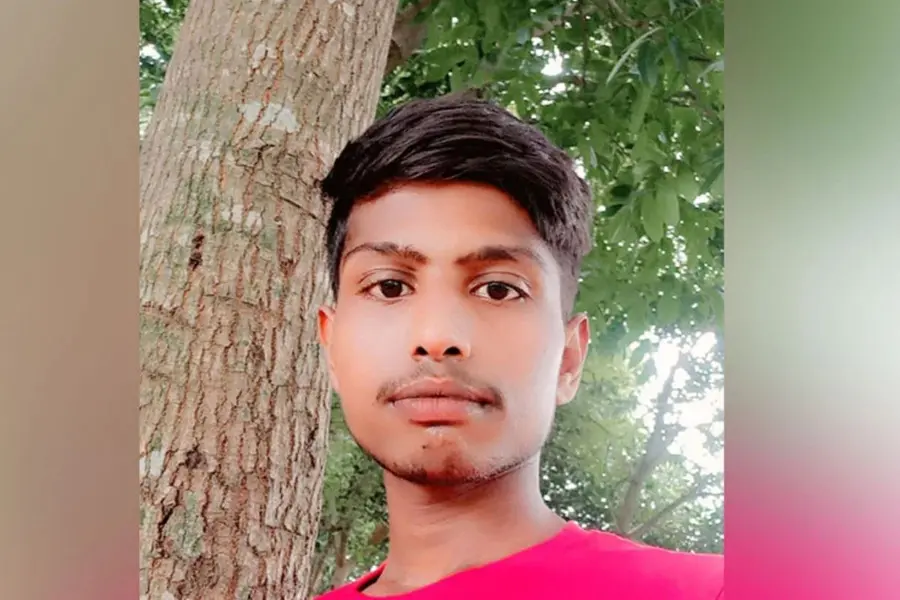
Sambalpur (Odisha): In a harrowing episode that has shaken communities and reignited intense political debate, a 19-year-old migrant worker from Murshidabad, West Bengal, was brutally lynched by a mob in Sambalpur late on Wednesday night.
The victim, identified as Juyel (Juel) Rana, had arrived in Odisha just days earlier for work as a mason when he was attacked after a dispute that quickly turned deadly.
Police say the confrontation began near the workers’ lodgings when a group of six men confronted Rana and his co-workers, initially over a request for a bidi (cigarette) and then demanding to see their Aadhaar identity cards.
What should have been a routine exchange escalated rapidly; the mob allegedly began striking the young labourer and two others with sticks and rods. Rana collapsed from his injuries and later died in the hospital, while the other two remain in critical condition.
By Thursday, authorities had arrested all six suspects in connection with the brutal attack, launching a full investigation into the circumstances that led to the fatal violence. Police have stated that the incident stemmed from a sudden dispute and are still examining the exact motive.
Family, co-workers allege identity-based violence
Rana’s family and fellow workers have strongly rejected the notion that the attack was a simple scuffle. According to eyewitnesses, the assailants brandished accusations of the labourers being “Bangladeshis” — a charge that has sent shockwaves through migrant communities.
Despite showing valid documents, Rana and his colleagues were allegedly still targeted, raising alarm over identity-based violence and suspicion of outsiders that can quickly spiral into fatal assaults.
Rana’s distraught mother, Najima Bibi, broke down upon receiving news of her son’s death, saying his dreams and future were destroyed in an instant. Calls for justice and maximum punishment for the attackers are growing among relatives and activists alike.
Political fallout: Trinamool Congress slams narrative of hate
The Trinamool Congress (TMC), West Bengal’s ruling party, has condemned the lynching and pointed to wider political and social undercurrents behind the killing.
Senior TMC leaders say the attack is emblematic of a dangerous narrative portraying Bengali-speaking Indians as “infiltrators” or outsiders — rhetoric they claim has emboldened mobs to act with lethal prejudice.
In statements on social media, the TMC alleged that this tragic loss of life was a “direct outcome of sustained anti-Bengali campaigning, accusing political rivals of creating an atmosphere where citizens are treated as suspects simply for their language or origin.
Party officials have also vowed to stand with the victim’s family and pursue accountability, questioning how long such violence must continue before urgent action is taken.
One TMC MP remarked that incidents of violence against Bengali-speaking migrant workers have become “all too frequent” in states governed by political adversaries, and asserted that such targeted hostility must be confronted at every level.
Wider concern over migrant worker safety
This tragedy has ignited broader debate across India over the vulnerability of migrant labourers, especially those far from home and without deep local support networks.
Civil rights advocates warn that prejudice and misinformation — whether rooted in fear of illegal immigration or inflammatory rhetoric — can have devastating, real-world consequences.
As investigators continue to piece together what triggered the fatal attack, families, activists, and political leaders are urging authorities to ensure justice and protection for transient workers, whose contributions to local economies often contrast sharply with the risks they face.
Published: 26 Dec 2025, 11:50 am IST
Related Topics
Disclaimer: Kindly avoid objectionable, derogatory, unlawful and lewd comments, while responding to reports. Such comments are punishable under cyber laws. Please keep away from personal attacks. The opinions expressed here are the personal opinions of readers and not that of Mathrubhumi.
