
Discover the fascinating history behind Dhurandhar`s iconic song, a revival of a classic qawwali
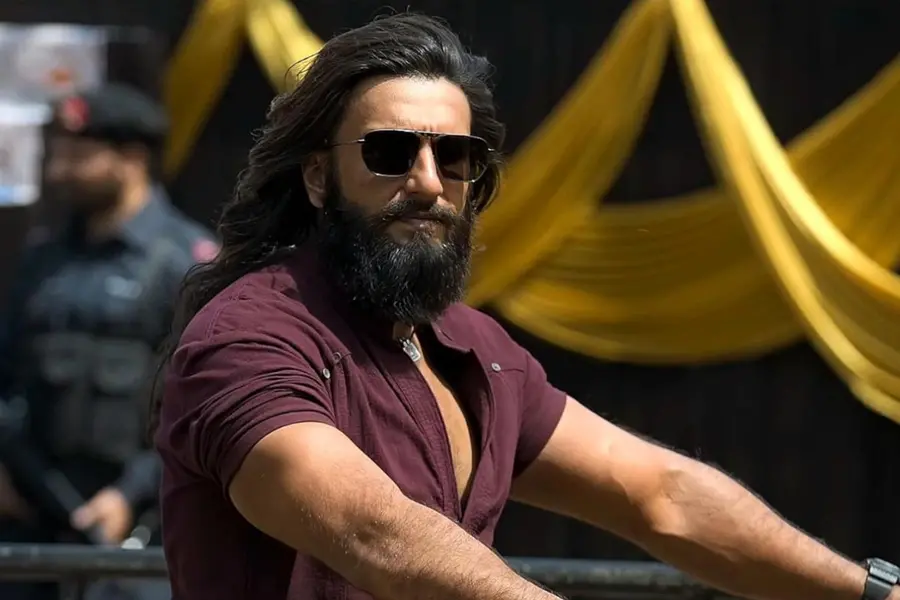
Ranveer Singh’s ‘Dhurandhar is turning heads not only for its story and performances but also for the way it brings a legendary melody back to the screen. The film reintroduces audiences to a tune that many may recognise, especially those with a connection to the golden era of Hindi cinema.
As Ranveer Singh makes his entrance on screen, the song ‘Na toh karwaan ki talaash hain’ plays in the background. While some viewers might not immediately recognise it, those born before the 1990s will recall it from the 1960 film ‘Barsat Ki Raat’. The 1960 version was composed by Roshan with lyrics by Sahir Ludhianvi, but the melody itself traces back to a qawwali by Mubarak Ali and Fateh Ali Khan, recorded before the 1950s.
What is the history of the original qawwali?
RJ Sachin Sahani shared insights on Instagram, stating, “Dhurandhar track is an official remake of Qawwali from ‘Barsat Ki Raat’ from 1960, but the ‘Barsat Ki Raat’ qawwali is a remake of a qawwali by Mubarak Ali and Fateh Ali Khan, father of Nusrat Fateh Ali Khan. The original Qawaali was recorded around the late 1940 to early 1950s. But the same qawwali was used in Barsat Ki Raat without giving any credit. The lyrics also have many references to the original qawwali."
He added, “It is a documented fact that in the 1950s, Dev Anand hosted a gathering at his home where he invited Ustad Mubarak Ali and Fateh Ali Khan, along with their team. This qawwali session reportedly lasted the entire night and many stars, actors, producers, directors and filmmakers from Hindi cinema wanted to adapt it for films. When Bharat Bhushan’s film ‘Barsat Ki Raat’ was in production, Khayyam Sahab was composing its music and there was a plan to remake this qawwali. However, Khayyam Sahab completely refused to adapt someone else’s composition. Later, when Khayyam left the project, Roshan became the composer and the qawwali was created for the film."
How is Dhurandhar connected to this musical legacy?
Sachani explained further, “While the ‘Barsat Ki Raat’ version is beautiful and iconic, the original qawwali belonged to Mubarak Ali and Fateh Ali Khan, who never received credit or rights. It can also be said that Dhurandhar’s composition is borrowed from Mubarak Ali and Fateh Ali Khan, with its baseline inspired by Queen’s Another One Bites the Dust."
Fans have expressed appreciation for the acknowledgment of the original creators. One wrote, “Thank you for giving Pakistani musicians credit where credit is due." Another commented, “I got it the very second the guitar hit, that it’s from Another One Bites the Dust."
What has been the public response?
Social media reactions have been supportive. A user noted, “Amazing service you are doing to the music industry to respect the original creators, where 95% plus industry is following the herd. It will inspire and educate artists and their custodians to respect IP, take license and focus on ORIGINALITY rather than short cuts."
Why did Khayyam not use the original qawwali for Barsat Ki Raat?
In the book Khayyam, the Man – His Music, it is explained that Khayyam was initially approached to compose the music for ‘Barsat Ki Raat’ because he liked the story and agreed to take on the project. During a meeting about the soundtrack, the filmmakers presented records of qawwalis by Fateh Ali Khan and Mubarak Ali, expecting him to adapt those tunes for the film. However, Khayyam believed it was wrong to use someone else’s work and wanted to create original compositions. When the filmmaker insisted on including the qawwali, Khayyam chose to leave the project rather than compromise his artistic integrity.
Published: 15 Dec 2025, 10:25 am IST
Related Topics
Disclaimer: Kindly avoid objectionable, derogatory, unlawful and lewd comments, while responding to reports. Such comments are punishable under cyber laws. Please keep away from personal attacks. The opinions expressed here are the personal opinions of readers and not that of Mathrubhumi.
