
Grammy-nominated hip-hop producer Tay Keith, known for hits including 'Sicko Mode', 'Nonstop' and 'Look Alive', has died at 29.
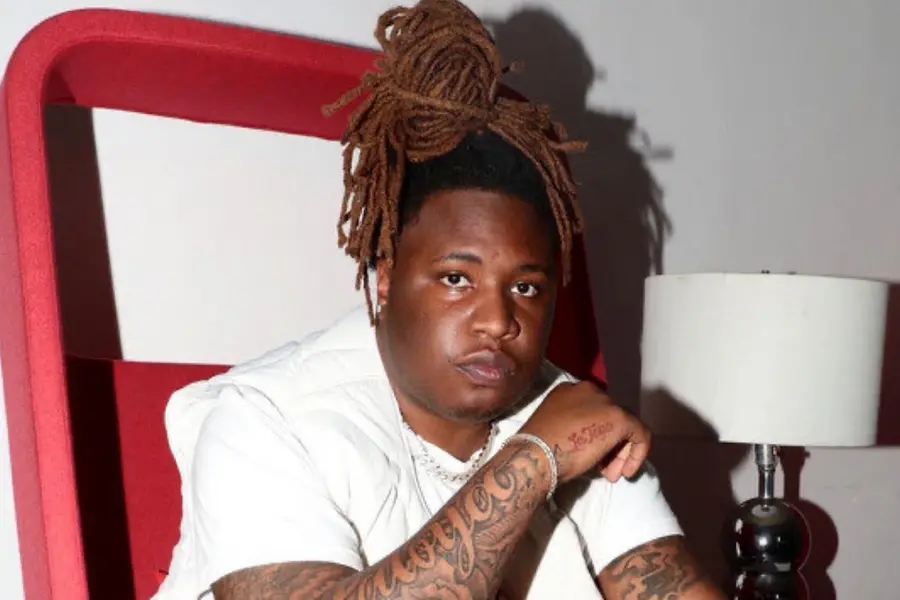
The music industry is mourning the death of acclaimed hip-hop producer Tay Keith, whose chart-topping work helped define the sound of modern rap over the past decade.
Keith, born Brytavious Lakeith Chambers, was found dead in his Nashville apartment on June 18 after police officers conducted a welfare check. He was 29.
Authorities said there were no immediate signs of foul play. In a statement, the Metro Nashville Police Department said: "He was found dead in his Martin St apt this afternoon by officers performing a welfare check." The department added that "His death is unclassified pending autopsy results."
The producer's sudden death has prompted an outpouring of tributes from artists, industry figures and fans who credited him with shaping some of the biggest hip-hop records of the streaming era.
Welfare check leads to finding
According to police, officers were dispatched to Keith's residence after concerns were raised about his wellbeing. He was found unresponsive inside the apartment.
Investigators have not indicated any evidence of criminal activity and have not disclosed additional details surrounding the circumstances that led to the welfare check. The official cause of death has yet to be determined and will be established following an autopsy examination.
From South Memphis to hip-hop's elite
Born on September 20, 1996, and raised in South Memphis, Tennessee, Keith developed an interest in music production while still a teenager. He began creating beats at the age of 14, teaching himself production techniques and sharing his work online while drawing inspiration from Southern rap pioneers including Three 6 Mafia and 8Ball & MJG.
His earliest breakthrough came through collaborations with fellow Memphis rapper BlocBoy JB. Their local success eventually attracted wider industry attention and paved the way for Keith's first major mainstream hit.
Despite his growing music career, Keith continued his studies and later graduated from Middle Tennessee State University with a bachelor's degree in 2018.
Breakthrough year transformed career
The year 2018 marked a turning point for Keith.
At just 21, he gained national recognition through BlocBoy JB and Drake's hit single ‘Look Alive,’ which introduced his signature production style to a global audience.
The same year, he co-produced several major releases, including Drake's ‘Nonstop’ and Travis Scott's ‘Sicko Mode.’ The latter became one of the defining rap songs of the decade, reaching the top of the Billboard Hot 100 and earning Keith a Grammy nomination.
His production work also featured on Eminem's ‘Not Alike,’ further establishing him as one of the most sought-after young producers in the industry.
A catalogue of chart-topping hits
Over the following years, Keith built an extensive portfolio that spanned some of the biggest names in music.
His credits included work with Drake, Beyoncé, Eminem, Cardi B, Future, Megan Thee Stallion, Lil Baby, Lil Nas X, Jennifer Lopez, 21 Savage and Sexyy Red.
Among his best-known productions were:
- ‘Look Alive’: BlocBoy JB featuring Drake
- ‘Nonstop’: Drake
- ‘Sicko Mode’: Travis Scott
- ‘Not Alike’: Eminem featuring Royce da 5'9"
- ‘Never Recover’: Lil Baby, Gunna and Drake
- ‘Before I Let Go’: Beyoncé
- ‘Pound Town’: Sexyy Red
- ‘SkeeYee’: Sexyy Red
Keith also served as executive producer on Sexyy Red's 2024 album ‘Sexyy We Trust’.
Awards and industry recognition
As his influence grew, Keith received multiple Grammy nominations, including recognition for his work on ‘Sicko Mode’ and later Drake and 21 Savage's ‘Rich Flex.’
He was honoured as Producer of the Year at the BMI Awards and was included in Forbes' prestigious 30 Under 30 list, recognising his impact on the music industry at a remarkably young age.
Industry observers frequently credited Keith with helping shape the modern trap sound that dominated hip-hop throughout the late 2010s and early 2020s.
By his late twenties, Keith had already built a career that many producers spend decades pursuing. His distinctive beats became a staple of mainstream hip-hop and helped launch numerous chart successes across multiple generations of artists.
Published: 19 Jun 2026, 09:46 am IST
Disclaimer: Kindly avoid objectionable, derogatory, unlawful and lewd comments, while responding to reports. Such comments are punishable under cyber laws. Please keep away from personal attacks. The opinions expressed here are the personal opinions of readers and not that of Mathrubhumi.
