
The court was also presented with evidence of YouTube tutorials demonstrating how to clone the actor's distinctive voice, alongside several instances of "personality theft" for commercial gain.
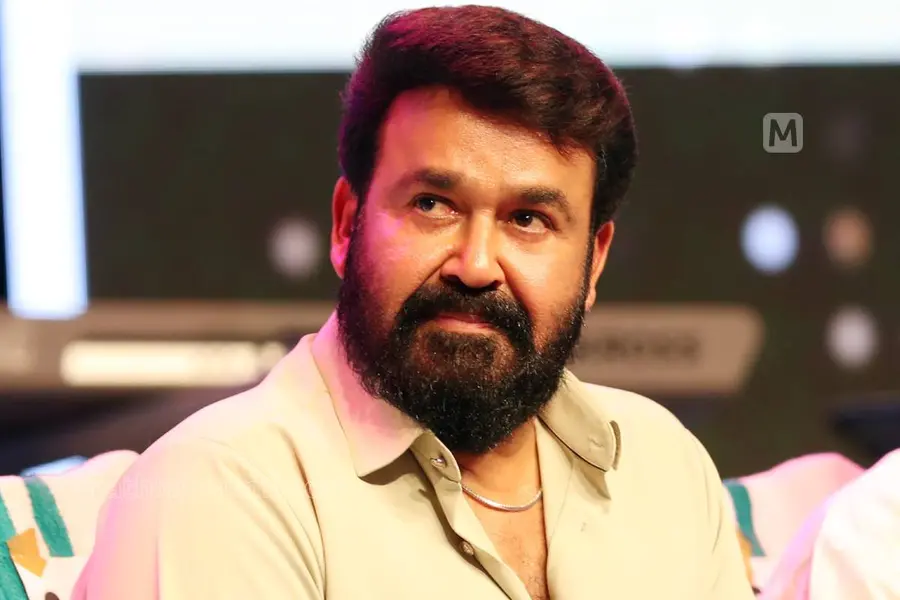
Legendary actor Mohanlal became the latest addition to the growing list of artists as he approached the Delhi High Court to halt the "systemic misappropriation" of his identity through artificial intelligence.
The news of the Mollywood superstar approaching the court over the protection of personality rights has been doing rounds on social media since yesterday.
Representing the Dadasaheb Phalke awardee, counsel informed the court on Tuesday that the actor is being targeted by AI-generated deepfakes designed to "body-shame" him. The court was also presented with evidence of YouTube tutorials demonstrating how to clone the actor's distinctive voice, alongside several instances of "personality theft" for commercial gain.
Also read: Actor Mohanlal moves Delhi High Court seeking protection of personality rights
Five pillars of abuse
The actor’s legal team outlined five specific areas of concern where his persona is being exploited without consent:
Unauthorised merchandise: The production and sale of goods bearing his likeness.
Deepfake media: The viral spread of AI-manipulated images and videos.
Voice cloning: The digital replication of his vocal signature.
False endorsements: Fabricated claims that the star supports specific brands.
Digital harassment: The use of AI tools specifically for body-shaming and reputational harm.
Judicial "astonishment"
Presiding over the bench, Justice Jyoti Singh expressed "astonishment" at the extent of the digital manipulation after reviewing the evidence. The court issued an immediate oral directive to tech giants to remove the offending links.
While representatives for Google and Amazon were present, a brief adjournment was required to secure the attendance of Meta’s counsel. The matter has been scheduled for further hearing on Tuesday afternoon to allow all intermediaries to respond to the notice.
Mohanlal joins an elite list of Indian celebrities, including Amitabh Bachchan and Anil Kapoor, who have successfully sought "John Doe" injunctions to protect their "Personality Rights" from the growing threat of unregulated generative AI.
Published: 24 Mar 2026, 01:16 pm IST
Disclaimer: Kindly avoid objectionable, derogatory, unlawful and lewd comments, while responding to reports. Such comments are punishable under cyber laws. Please keep away from personal attacks. The opinions expressed here are the personal opinions of readers and not that of Mathrubhumi.
