
The film has been restored in 4K from one of only two surviving 35mm release prints preserved at the National Film Archive of India.
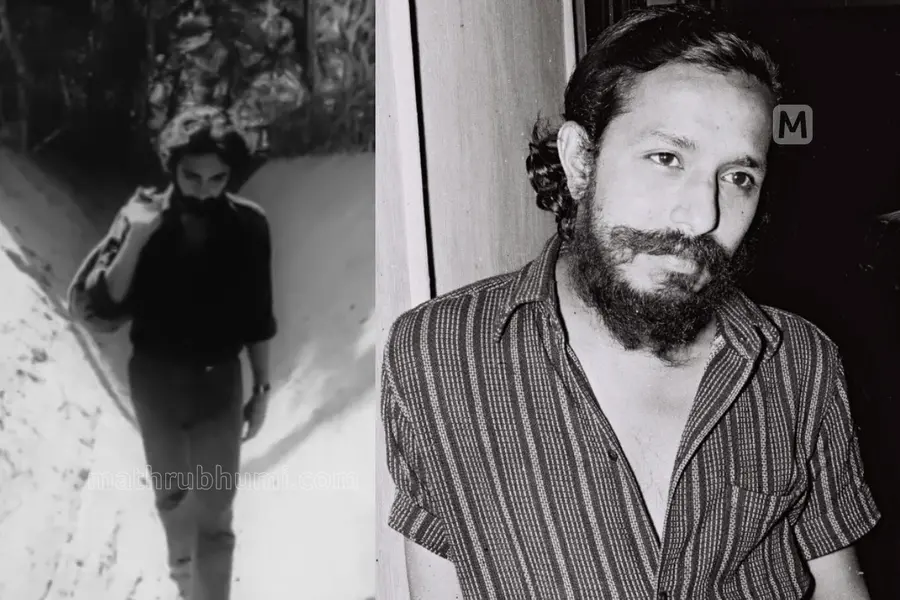
A restored 4K version of John Abraham’s Amma Ariyan will be screened at the Cannes Film Festival, which opens on May 12, marking a major global showcase for the landmark Malayalam film.
The restoration has been carried out by the Film Heritage Foundation (FHF), Mumbai, making this its fifth consecutive year at Cannes. The 1986 avant-garde film will be the only Indian feature at this year’s festival, according to an official statement.
"The selection of Film Heritage Foundation's restoration of John Abraham's 'Amma Ariyan' for a world premiere at the Cannes Film Festival is a strong validation of the work we've been doing. This marks our fifth consecutive year at Cannes with a restored film. This year, we've brought back a rare gem of Indian cinema that was in danger of being lost," Dungarpur, director of Film Heritage Foundation, said in a statement.
He said the foundation is looking forward to introducing contemporary global audiences to "John Abraham's iconoclastic cinematic vision".
"With no original camera negative and only a single surviving, unsubtitled print, the restoration was particularly challenging. John Abraham was a true original, with a cult following among film students when I was at the Film Institute in Pune. We had all heard stories about this maverick filmmaker, and 'Amma Ariyan' left a lasting impression on us. Shot in a cinema verite style by Venu, the film blurs the boundaries between documentary and fiction," he added.
The film has been restored in 4K from one of only two surviving 35mm release prints preserved at the National Film Archive of India. The project was led by FHF in collaboration with L’Immagine Ritrovata and Digital Film Restore Pvt. Ltd., along with the Odessa Collective. It will be presented at Cannes by Shivendra Singh Dungarpur, actor Joy Mathew, cinematographer Venu ISC and editor Bina Paul.
Directed by noted filmmaker John Abraham, Amma Ariyan (Report to Mother) follows the journey of a group of friends who travel to inform a mother about the death of her son, a young Naxalite. The film is widely regarded as one of the most experimental works in Indian cinema.
“Deeply opposed to cinema driven purely by profit, he envisioned ‘Amma Ariyan’ as a film by the people and for the people. It was produced by the Odessa Collective, a group of film enthusiasts co-founded by Abraham, who sought to break free from mainstream production and distribution systems. In a radical experiment, members of the Collective travelled from village to village beating drums, performing street plays and screening films to raise funds directly from the public,’ shared the press note shared by FHF announcing its Cannes selection.
The 115-minute-long film was produced by the Odessa Collective, a group of film enthusiasts co-founded by Abraham, who sought to break free from mainstream production and distribution systems.
In a radical experiment, members of the collective travelled from village to village beating drums, performing street plays and screening films to raise funds directly from the public. The film was not intended for conventional theatrical release but for a travelling cinema model that brought it back to the communities that made it possible. In 2001, the British Film Institute included the film in its list of the ten greatest Indian films of all time.
Joy Mathew said he is happy that a film is being showcased at the Cannes Film Festival this year.
"The film marked my first lead role, making this recognition especially meaningful... To me, the film stands out in three ways: it challenged commercial filmmaking by being funded entirely through small public contributions; it rejected conventional theatrical release in favour of screenings in public spaces; and it adopted a distinctive docu-fiction form that reflects the socio-political climate of the 1970s and 1980s, including the complexities of leftist movements of that period."
Published: 06 May 2026, 05:06 pm IST
Disclaimer: Kindly avoid objectionable, derogatory, unlawful and lewd comments, while responding to reports. Such comments are punishable under cyber laws. Please keep away from personal attacks. The opinions expressed here are the personal opinions of readers and not that of Mathrubhumi.
