
Artists and human rights advocates have criticised the ruling, raising concerns about the treatment of independent voices in Iran
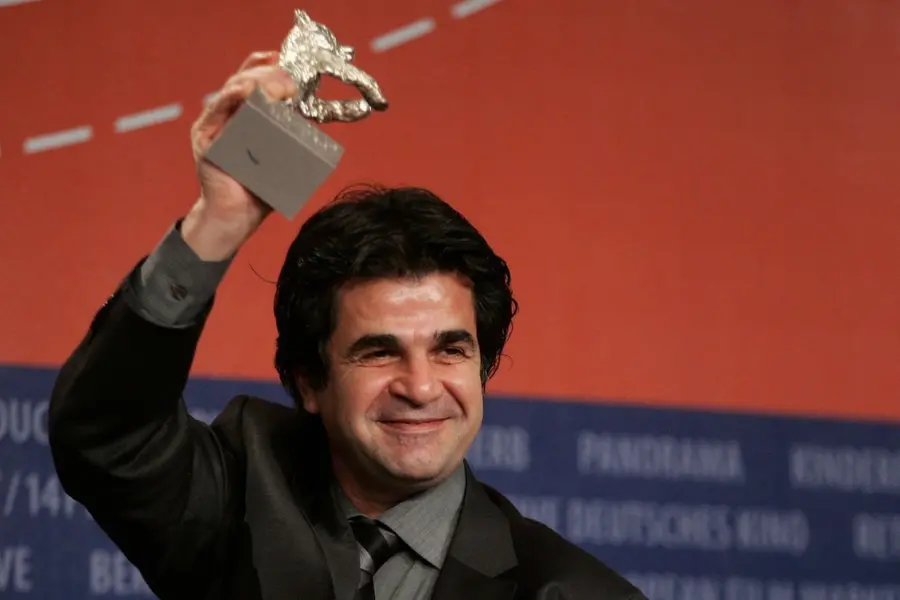
Iranian film-maker Jafar Panahi has been handed a fresh prison sentence of five years and one month, alongside an order for the confiscation of his assets, according to his lawyer. The ruling has prompted renewed concern over the treatment of artists who continue to work outside the boundaries set by Iran's authorities.
Panahi, 66, was convicted in absentia, lawyer Mostafa Nili told Iranian news outlet Emtedad. The court has also prohibited the director from travelling abroad and using social media for two years. The specific charges behind the latest ruling have not been made clear.
The sentence comes despite Panahi's return to Iran in March after travelling overseas to promote ‘It Was Just an Accident’, the film that earned him the Palme d’Or at the Cannes Film Festival last year. He had already received a one-year prison sentence in absentia last year over what authorities described as “propaganda activities against the system”.
According to reports, a European-based activist and friend of the director told that he had spoken to Panahi on Monday evening, after the latest sentence was handed down. According to the friend, Panahi had not been taken into custody at that point.
Nili said Panahi is currently involved in three unresolved legal cases. The director had not been informed of the hearing date in the latest proceedings, his lawyer said. He learnt that the case had moved forward only after his bank accounts were frozen last week.
The confiscation order has also raised legal questions. Moein Khazaeli, a human rights lawyer with Dadban, a legal advice centre for Iranian activists, said the sentence and seizure of property could conflict with Iran's constitution if the authorities cannot establish a clear legal connection between the assets and an alleged offence.
Jafar Panahi warned of a continuing cycle of violence
Panahi has previously spoken about the consequences of the political situation in Iran. In an interview with The Guardian while visiting the United States earlier this year, he warned that the country's ongoing cycle of violence could prove difficult to break.
“What I have been depicting in this film is when the cycle of violence continues, then it becomes very difficult to stop it,” Panahi said. “Unfortunately, because of the savagery that is being carried out by the state, the fear is that this cycle of violence will continue.”
His latest sentence has since drawn criticism from artists who see the case as part of a wider threat to independent creative work in the country.
Iranian actor Setareh Maleki, who went into exile after appearing in Mohammad Rasoulof's Oscar-nominated film ‘The Seed of the Sacred Fig’, told that restrictions on artists reflect the authorities' concern over stories reaching audiences beyond Iran.
“One of the greatest fears of a dictatorship is losing control over the stories people tell. When those stories cross borders and reach the world, they become impossible to silence. Jafar Panahi has told his stories too, and his sentence proves once again just how deeply the Islamic Republic fears even the act of storytelling,” she said.
Iranian artists voice support for Panahi
A film-maker currently working secretly inside Iran also expressed solidarity with Panahi. Speaking anonymously because of the risks involved, she said artists supported him for speaking out about the concerns of ordinary Iranians rather than remaining silent.
“We all support him, who brings us great pride. He hasn’t remained silent and instead voices demands of the Iranian people,” she said.
The film-maker also suggested that the new sentence could be connected to Panahi's calls for unity during the January protests. She pointed to his support for a range of voices within Iran, including those who back Reza Pahlavi, the exiled son of the country's former shah.
Iranian-British actor Nazanin Boniadi also condemned the court's decision. She said Panahi had spent decades using cinema to challenge censorship and document the hardships and resilience of the Iranian people.
“His latest draconian prison sentence is yet another attempt to silence a courageous artist whose work exposes the realities of repression in Iran,” Boniadi said.
Concerns about pressure on cultural figures have also been raised by the US-based Center for Human Rights in Iran.
In a recent report, the organisation warned that the authorities were widening their crackdown to include artists, writers, poets, musicians and others working in the cultural sphere. It said peaceful voices were being drawn into the same coercive security and judicial system used to suppress dissent across the country.
Published: 29 Oct 2026, 05:12 pm IST


ABOUT THE AUTHOR

Related Topics
Disclaimer: Kindly avoid objectionable, derogatory, unlawful and lewd comments, while responding to reports. Such comments are punishable under cyber laws. Please keep away from personal attacks. The opinions expressed here are the personal opinions of readers and not that of Mathrubhumi.