
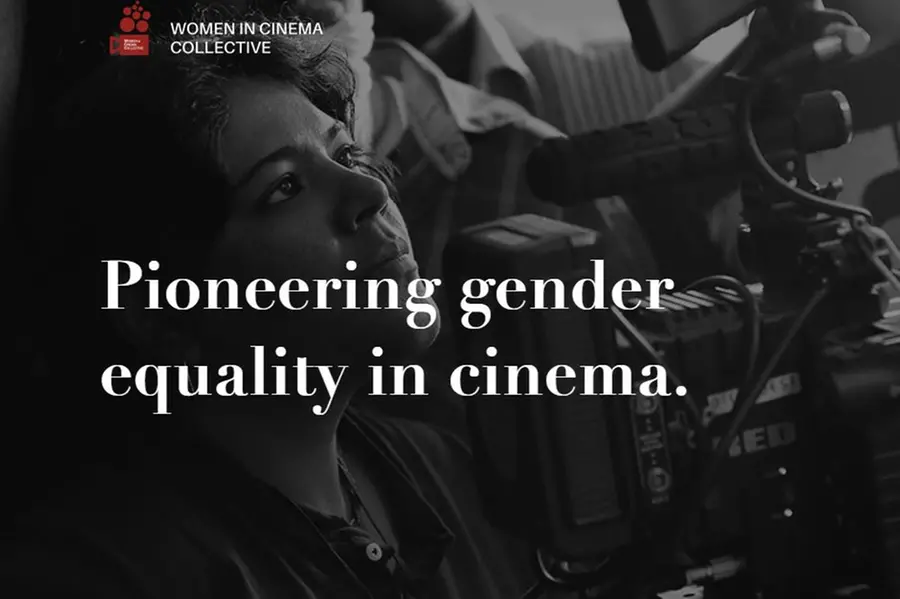
The release of the Hema Committee report marks a pivotal moment in addressing gender issues within the Malayalam film industry, and much of the credit for this significant development goes to the Women in Cinema Collective (WCC). Established to tackle systemic gender bias and exploitation, WCC has been at the forefront of advocating for women's rights and safety in the film industry.
Origin of Hema Committee Report
The origins of the Hema Committee report are deeply intertwined with the efforts of WCC. The organisation was instrumental in highlighting the pervasive issues faced by women in cinema, which catalysed the formation of the committee. Their persistent advocacy brought to light the severe challenges women endure, including harassment and lack of basic rights on film sets.
The WCC was founded in response to a critical incident on February 17, 2017, when a prominent Malayalam actress was sexually assaulted and harassed while in a moving vehicle. In solidarity with the survivor, eighteen women from the industry decided to take a stand and advocate for justice. Emphasising their vision of "equal spaces and equal opportunities for women in cinema”, WCC was officially registered as a society on November 1, 2017, marking the first such organisation in India.
Just three months later, WCC submitted a formal appeal to Kerala Chief Minister Pinarayi Vijayan, urging action on the challenges faced by women in the film industry. This led to the formation of a three-member committee, chaired by former Kerala High Court judge Justice K Hema, tasked with examining the status and working conditions of women in cinema and recommending solutions to improve their situation.
WCC's role in release of Hema Committee Report
WCC’s role in the release of the Hema Committee report also cannot be understated. The organisation played a crucial role in mobilising support and creating a platform for women to voice their grievances. Their efforts included meeting with key stakeholders, such as Chief Minister Pinarayi Vijayan, and working closely with authorities to ensure that women's safety and rights in the industry were addressed comprehensively.
In their dialogue with the Chief Minister, WCC members, including prominent figures like Parvathy Thiruvothu and Rima Kallingal, underscored the need for stringent measures to prevent sexual harassment on film sets. Their advocacy led to the formulation of a committee dedicated to investigating the problems faced by women in cinema and devising strategies to combat these issues effectively.
WCC’s initiatives also focus on promoting a safe and equitable work environment. They advocate for gender-just practices and work towards eliminating exploitation by encouraging women’s participation in all facets of the industry, including technical roles. Their outreach programmes aim to provide craft enrichment, industry support and mentorship to women, thereby fostering a more inclusive and supportive cinematic community.
Testament to relentless efforts
The release of the Hema Committee report is a testament to WCC’s relentless efforts to improve conditions for women in the film industry. Their work not only highlights the problems, but also sets a precedent for future reforms, ensuring that women in Malayalam cinema have the opportunities and safety they deserve.
The report’s findings and recommendations are expected to lead to significant changes in how the industry addresses gender issues, reflecting WCC’s commitment to building a more equitable and professional environment for all women involved in cinema.
Published: 19 Aug 2024, 03:11 pm IST
Related Topics
Disclaimer: Kindly avoid objectionable, derogatory, unlawful and lewd comments, while responding to reports. Such comments are punishable under cyber laws. Please keep away from personal attacks. The opinions expressed here are the personal opinions of readers and not that of Mathrubhumi.
