
Actor Dhanush has strongly criticised the AI-altered re-release of Raanjhanaa, calling the alternate ending a violation of artistic integrity
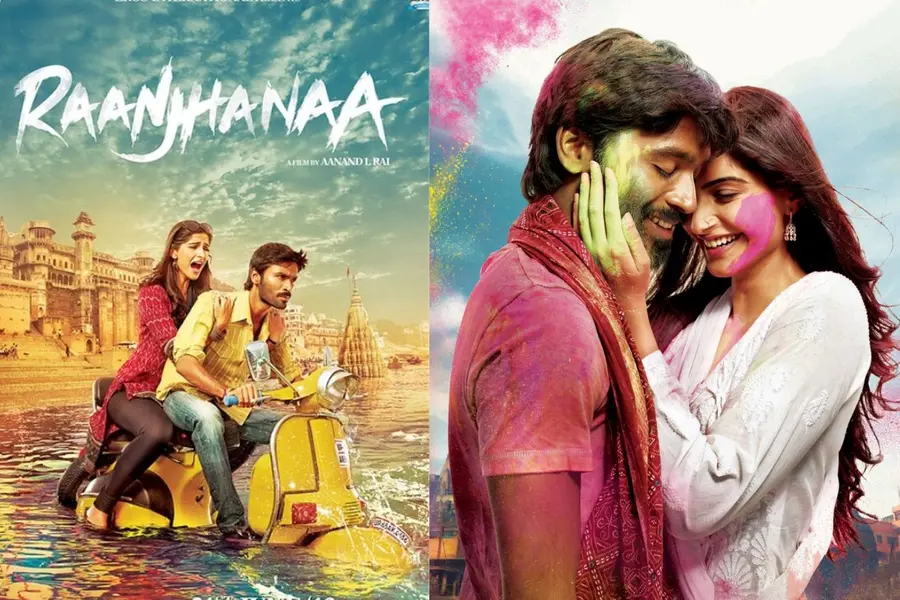
The re-release of Raanjhanaa with an AI-generated alternate ending has sparked sharp criticism from actor Dhanush, who starred in the 2013 romantic drama.
The Tamil-dubbed version, Ambikapathy, was also reissued. In a statement shared on social media on Sunday, Dhanush said he was “completely disturbed” by the decision to alter the film’s climax and confirmed that it was done despite his objections.
“The re-release of Raanjhanaa with an AI-altered climax has completely disturbed me. This alternate ending has stripped the film of its very soul,” Dhanush wrote in a statement titled For the love of cinema. “This is not the film I committed to 12 years ago. The use of AI to alter films or content is a deeply concerning precedent for both art and artists. It threatens the integrity of storytelling and the legacy of cinema.”
In the original 2013 version, Dhanush’s character Kundan is shot and dies in the hospital, with Zoya (played by Sonam Kapoor) arriving in his final moments. The new AI-generated ending shows Kundan surviving—waking up in the hospital as Bindiya (Swara Bhasker) and Murari (Mohammed Zeeshan Ayyub) react in joy.
This backlash comes after the film’s director, Aanand L Rai, voiced his own objections to the AI edit. He called it a dangerous precedent and said the changes were made without his approval. He also accused the studio, Eros, of altering the film’s core message. Eros defended its decision in a statement released on 29 July, arguing it held the rights to the film and claimed that Aanand had used elements of Raanjhanaa in his upcoming film Tere Ishk Mein without authorisation.
The use of artificial intelligence in modifying older film content has raised wider ethical debates in the entertainment industry. Dhanush’s and Aanand’s objections bring attention to concerns about consent, creative ownership, and the future of filmmaking in the AI era.
Raanjhanaa, written by Himanshu Sharma, was released on 21 June 2013. It was widely acclaimed for its emotional depth and music, and marked Dhanush's Bollywood debut. The standalone sequel, Tere Ishk Mein, is scheduled to release on 28 November 2025.
Published: 04 Aug 2025, 08:19 am IST
Related Topics
Disclaimer: Kindly avoid objectionable, derogatory, unlawful and lewd comments, while responding to reports. Such comments are punishable under cyber laws. Please keep away from personal attacks. The opinions expressed here are the personal opinions of readers and not that of Mathrubhumi.
