
From hunger and hardship in Kasaragod to quiet triumphs on screen, Unni Raja’s journey is a story of dignity, resilience and gratitude.
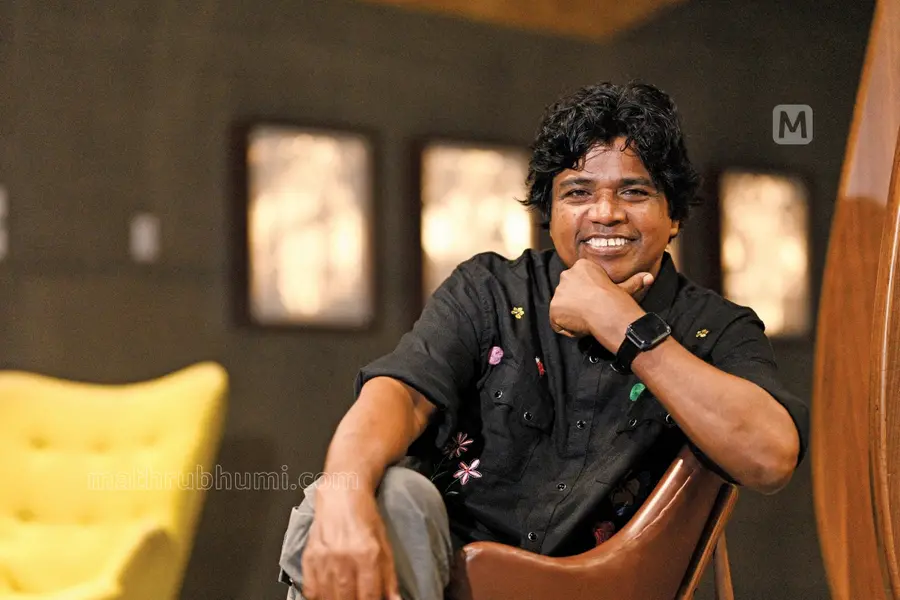
Actor Unni Raja is a son of Kasaragod, hailing from Cheruvathur. Known for his powerful performances in the popular television series ‘Marimayam’ and a string of acclaimed films, Unni Raja today stands out as one of the most distinctive actors in Malayalam cinema. His unique speech patterns, body language and emotional depth set him apart. His journey into the world of acting was forged through hardship, and Unni Raja reflects on the path that shaped him.
Roots and identity
His full name is Unni Rajan. It was director Mohan who shortened it to “Unni Raja” during the filming of ‘Aravindante Athithikal’. Some still mistakenly call him Unniraj, but after his character ‘Unni’ became popular in Marimayam, he has fondly come to be known as ‘Unniyettan’.
He grew up in Cheruvathur in Kasaragod district in deep poverty. There were times when good clothes or favourite food were luxuries beyond reach. His parents survived on meagre daily wages, and on days without work, hunger was a reality. With three children to raise, festivals like Vishu and Onam were the only occasions for a proper meal. Yet, he says, there was no bitterness — life was accepted as it was. School excursions were quietly avoided, not out of disinterest, but to spare his parents the burden of extra expense.
A world shaped by theatre
From childhood, theatre fascinated him. Near his home was a small open ground and stage where local plays were performed — that was where he grew up watching drama. He soon began acting in club productions and, by the age of 18, started directing school plays. His production ‘Ponnurukkunnidathu Oru Poocha’ for Cheruvathur Kuttamath Higher Secondary School drew wide attention, followed by several others.
Initially directing scripts written by others, he eventually began writing his own when scripts became hard to find. One such play, Oru ‘Kroorathayude Baakipathram’, earned accolades at the State School Arts Festival. With each success, invitations poured in from schools across Kasaragod and later from across Kerala.
For three decades, Unni Raja has travelled through every district in the state, deeply involved in cultural work. He made his mark in mime, notably introducing Theyyam into mime performances for the first time — a move that won widespread appreciation. He also brought the Endosulfan tragedy of Kasaragod into mime, earning several awards. Along the way, he trained countless students at school and college levels.
An unexpected turn with Marimayam
His entry into ‘Marimayam’ was accidental — a friend helped him land a role in a single episode. He never imagined it would change his life. As the character struck a chord, he soon became a permanent presence on the show.
The Kasaragod face in cinema
His role in ‘Thondimuthalum Driksakshiyum’ first brought him wider recognition in films. Selected through auditions, his portrayal of poet Rajesh Ambalathara, though brief, made a lasting impression. This was followed by notable roles in ‘Aravindante Athithikal’, ‘Thinkalazhcha Nishchayam’, ‘Android Kunjappan’, ‘Operation Java’, ‘ARM; and most recently ‘Avihitham’.
With around 70 films to his credit, he notes that only his first film required an audition — thereafter, roles came to him. As more films began shooting in Kannur and Kasaragod, he often found opportunities to play meaningful characters.
Even a single-scene role like Akhileshettan in ‘Operation Java’ left a mark, thanks to the film’s success.
Surviving a turning point
After a ‘Marimayam’ shoot in Kochi, Unniraja met with a minor accident that resulted in a spinal cord injury. Surgery followed, along with a long period of rest. The incident changed his outlook on life. The constant rush gave way to a quieter resolve — to do everything with care and intention.
A journey of quiet fulfilment
He has since won several honours, including the Kerala State Television Award for Best Comedian. For someone who began with nothing, these recognitions bring deep satisfaction. He also feels proud that artists from Kasaragod are now increasingly visible in cinema — and that he is seen as one of the region’s representatives.
Wherever he goes, he experiences warmth and affection from ordinary people, who often gather around, eager to help in any way they can. He sees this love not just as personal recognition, but as an honour for his homeland.
Among his most cherished achievements is a simple, deeply personal one: after earning some money through theatre, television and films, he was able to buy the paddy field where his mother once worked as a labourer — in her name. Today, she cultivates that land herself.
He carries many small dreams in his heart. One by one, he is quietly realising them. His hope is to continue finding strong roles in good films — and he believes those stories will find their way to him.
Published: 08 Feb 2026, 11:07 pm IST
Disclaimer: Kindly avoid objectionable, derogatory, unlawful and lewd comments, while responding to reports. Such comments are punishable under cyber laws. Please keep away from personal attacks. The opinions expressed here are the personal opinions of readers and not that of Mathrubhumi.
