
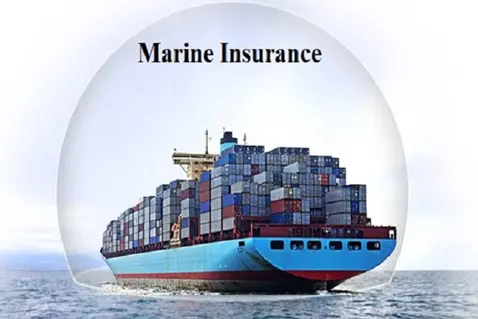
In global trade, businesses face numerous risks when shipping goods by sea. Natural disasters, accidents, theft, and damage can all lead to significant financial losses. This is where Marine Insurance becomes essential. It protects cargo owners, traders, and logistics operators against potential losses that occur during maritime transit.
Since the insurance costs directly impact business profitability and shipping budgets, one of the most common questions among business owners and MSMEs is, “How are marine insurance premiums calculated?” Understanding the key factors that influence these premiums helps businesses choose the right coverage and ensures peace of mind with every shipment.
Understanding Marine Insurance
Marine Insurance is a contract that provides financial protection to cargo owners, ship operators, and businesses against losses or damages to goods during transit. It covers transportation by sea, inland waterways, and land transit connected with sea voyages, making it essential for both international and domestic trade. This insurance mitigates risks such as accidents, natural hazards, theft, and damage during handling, ensuring that businesses are not financially exposed if goods are lost or compromised.
For small and medium enterprises (MSMEs), marine insurance is crucial. Even minor cargo losses can disrupt operations, affect working capital, or delay supply chains. Policies are flexible, allowing coverage to match the type of goods, their declared value, and mode of transit, with cost-effective premiums that ensure protection without unnecessary expenses.
How Marine Insurance Premiums Are Calculated?
Understanding what drives marine insurance costs can help businesses plan more effectively and avoid overpaying. Several key factors determine how much you’ll pay for coverage:
1. Value of the Cargo
The declared value of the goods being shipped is the most significant factor in calculating the premium. The higher the value of goods, the bigger the financial risk if the cargo is damaged or lost, which naturally increases the cost. The sum insured is typically calculated by adding the invoice value of the goods, the freight charges, and 10% of the invoice value to cover additional expenses or a small profit margin. The insured typically declares this amount to ensure the coverage is sufficient and to minimise the risk of underinsurance during transit.
2. Nature of Goods
Insurance premiums vary based on the type of goods being shipped. Perishable, fragile, or hazardous items attract higher premiums due to their susceptibility to damage or spoilage. On the other hand, durable and non-perishable goods typically carry lower premiums.
For example, electronics or chemicals generally cost more to insure than steel rods or machinery parts because of their delicate or hazardous nature.
3. Mode and Route of Transport
The method of transporting goods by sea, air, or land can significantly impact the level of risk involved. Sea shipments often face unpredictable weather and longer transit times, which increases the likelihood of damage. Air transport, on the other hand, is faster and generally safer; however, the higher value of the cargo can lead to increased insurance costs.
The route itself also matters. Shipping through areas known for piracy, rough seas, or political instability can increase premiums. Even domestic routes aren’t risk-free; flood-prone regions, poor road conditions, or areas with higher theft rates can all influence the cost of insurance.
4. Distance and Duration of Transit
The longer goods are in transit and the farther they travel, the greater their exposure to potential risks. Extended shipping durations and long distances increase the likelihood of damage or loss, resulting in higher insurance premiums. Shorter domestic trips, by contrast, are generally less risky and attract lower premiums. Shorter domestic trips, by contrast, are generally less risky and attract lower premiums.
5. Packaging and Handling
Proper packaging plays a crucial role in minimising damage risks during transportation. Goods that are well-cushioned, protected with sturdy material, and wrapped to withstand weather are far less likely to be damaged. Insurers often assess the quality of packaging while calculating premiums. Poor or inadequate packaging can not only increase the premium but may also lead to claim disputes if damage occurs.
6. Type of Coverage Chosen
Marine insurance offers different types of coverage, such as:
• All Risk Coverage: Offers the widest protection against all perils, except those specifically excluded.
• Named Perils Coverage: Covers only specific risks such as fire, collision, or theft.
• Inland Transit Policy: Designed for goods transported domestically via road or rail.
Generally, the broader the coverage, the higher the premium. Businesses should select coverage that matches both the risk level of their transit and the type of cargo being shipped.
7. Claim History of the Insured
Just like other types of insurance, an individual or company’s claim record plays a key role in determining premiums. Frequent or high-value claims in the past indicate a higher risk profile, which can lead to increased premium costs. Conversely, businesses with a clean or low-claim record often benefit from lower or preferential rates.
8. Add-on Covers and Customisation
Additional covers, such as theft during transit or debris removal, provide extra protection for shipments. While these add-ons increase the premium, they are often worthwhile for businesses shipping high-value or sensitive goods. Many leading insurers, like Bajaj General Insurance Limited, offer these optional covers to provide enhanced protection tailored to specific business needs.
9. Underwriting and Risk Assessment
Insurance companies assess each proposal through a detailed underwriting process. Factors such as the nature of cargo, route safety, historical loss data, and the condition of the vessel or transport vehicle influence the final premium. Specialised risk models may also be used to estimate the likelihood of loss and determine an appropriate rate.
Calculating the Premium
The factors discussed above influence the cost; the premium itself is usually calculated as a percentage of the insured value of the cargo. This ensures the premium reflects the actual risk.
Premium = Insured Value × Rate of Premium
• Insured Value: This includes the cost of the goods, freight charges, and a small margin (around 10%) to cover incidental expenses.
• Rate of Premium: Set by the insurer based on risk factors such as the type of goods, route, duration, and quality of packaging. Higher-risk shipments attract higher rates.
Example:
If cargo is valued at ₹100,000 and the insurer applies a 0.5% premium rate for moderate risk, the premium would be:
₹100,000 × 0.5% = ₹500
It’s essential to understand how the premium is calculated, so business owners can make smarter decisions to maximise coverage and control costs. Simple steps, such as using sturdy packaging, choosing safer routes, or keeping transit times shorter, can help lower the premium.
Marine Insurance for MSMEs
For small and medium enterprises engaged in domestic trade, MSME Insurance under marine policies provides affordable protection for goods transported by trucks, trains, or other inland routes. Inland marine coverage ensures that local shipments are financially protected against accidents, theft, or other types of damage. MSMEs can opt for single transit or annual open policies depending on how frequently they ship goods, offering both flexibility and convenience.
Digital insurance platforms have made it even easier for MSMEs to buy and manage their policies online. Businesses can now get instant quotes, purchase coverage online, and file claims quickly, making marine insurance not just a risk cover but also a practical tool for smooth operations.
How to Optimise Your Marine Insurance Premiums?
Businesses can reduce marine insurance expenses without compromising on protection by following these tips:
• Use quality packaging and handling practices to minimise the risk of damage.
• Opt for safer, low-risk routes whenever possible.
• Compare different types of coverage and choose one that aligns with your actual risk exposure.
• Keep a clean claims record to benefit from better renewal terms.
• Review your policy regularly and adjust coverage as your business needs change.
Final Thoughts
Marine Insurance is more than just an optional expense; it provides vital protection that helps businesses continue to run smoothly when unexpected problems arise. For MSMEs in particular, it ensures that accidents, theft, or damage do not derail growth plans. The premium you pay is the cost of peace of mind, giving you confidence that every shipment is protected.
Whether you’re exporting, importing, or running a small local business, having the right marine insurance in place means you can concentrate on growing your business, confident that your shipments are protected against unexpected problems.
*Standard T&C Apply
Insurance is the subject matter of solicitation. For more details on benefits, exclusions, limitations, terms, and conditions, please read the sales brochure/policy wording carefully before concluding a sale.
Published: 04 Dec 2025, 11:34 am IST
Related Topics
Disclaimer: Kindly avoid objectionable, derogatory, unlawful and lewd comments, while responding to reports. Such comments are punishable under cyber laws. Please keep away from personal attacks. The opinions expressed here are the personal opinions of readers and not that of Mathrubhumi.
