
During the months leading up to harvest, some farming families evaluate different borrowing options to finance cultivation or manage household expenses.
Introduction
Agriculture continues to influence the financial rhythm of millions of households across India. Although farming practices vary from one region to another, seasonal income patterns remain a defining characteristic of the rural economy. Unlike salaried individuals who receive regular monthly earnings, many farming families experience cash inflows that are closely linked to sowing, harvesting, and crop sales. As a result, their borrowing requirements also tend to change throughout the agricultural calendar.
This seasonality is particularly visible in the gold loan market. Gold jewellery has long served as a financial reserve for rural households, allowing families to meet temporary funding requirements without permanently selling valuable assets. Consequently, demand for gold loans often rises and falls alongside agricultural cycles rather than remaining constant throughout the year. However, these shifts are influenced by several interconnected factors, including crop yields, market prices, rainfall, input costs, government procurement policies, and local economic conditions. Understanding this relationship provides valuable insight into how rural credit demand evolves while highlighting the role of responsible lending within India's agricultural economy.
Why Do Agricultural Cycles Influence Gold Loan Demand?
Agricultural income rarely follows a uniform monthly pattern. Farmers typically incur significant expenses before and during cultivation, including seeds, fertilizers, irrigation, labour, machinery, and transportation. Revenue, however, is often realized only after crops are harvested and sold. This mismatch between expenditure and income naturally creates periods when households may require temporary access to funds.
During the months leading up to harvest, some farming families evaluate different borrowing options to finance cultivation or manage household expenses. After harvest, the situation frequently changes. Crop sales improve liquidity, allowing borrowers to repay existing obligations or reduce outstanding debt. At the same time, post-harvest earnings may also encourage new investments in agricultural equipment, storage facilities, livestock, land improvements, or diversified income opportunities.
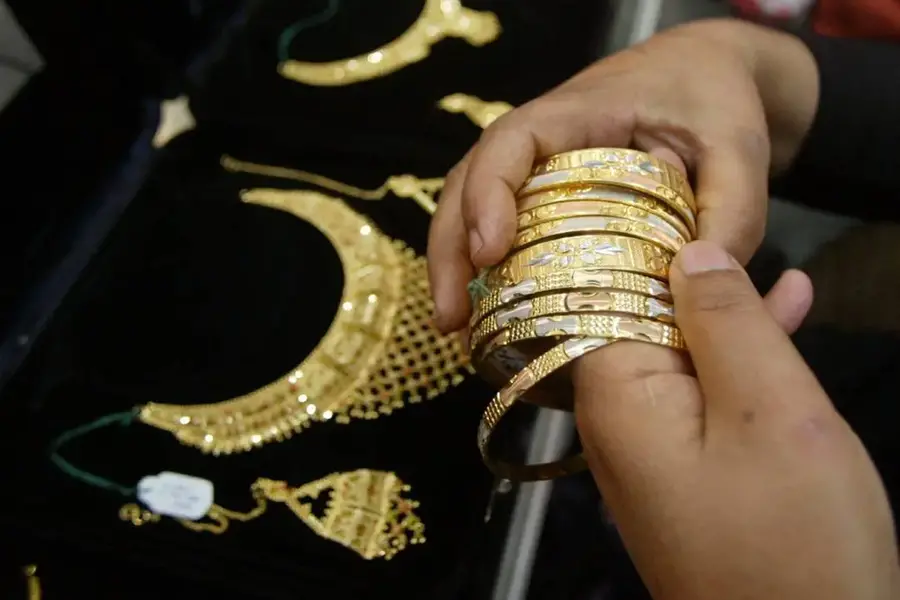
In this context, a Gold Loan may serve as one financing option among several available to eligible borrowers. Rather than selling family jewellery that often carries emotional and cultural significance, households may prefer pledging eligible gold temporarily while planning repayment after receiving agricultural income. The suitability of this approach depends on repayment capacity, lender policies, collateral eligibility, and applicable regulatory requirements.
How Does Demand Change After the Harvest Season?
The post-harvest period often brings greater financial flexibility for many agricultural households, although the extent varies depending on crop performance and prevailing market conditions. Once crops are sold, farmers generally reassess both immediate obligations and future investment requirements. Some borrowers use available income to redeem pledged jewellery, while others may seek additional financing to support expansion plans or prepare for the next cultivation cycle.
This explains why post-harvest periods can produce varying patterns in asset-backed lending demand rather than a simple decline in borrowing activity. Improved liquidity may reduce emergency borrowing, yet investment-related credit demand sometimes remains active. Farmers may allocate funds toward irrigation systems, farm equipment maintenance, warehouse storage, dairy operations, or allied agricultural activities that generate income throughout the year.
Consider a farmer who receives proceeds from a successful wheat harvest. After repaying cultivation expenses, the remaining income may be directed toward purchasing farm machinery or improving irrigation infrastructure before the next sowing season. If immediate liquidity is still required for these investments, pledging eligible household jewellery may represent one financing alternative without permanently disposing of long-held family assets.
Such decisions generally reflect broader financial planning rather than distress borrowing alone. Seasonal lending therefore encompasses both consumption needs and productive investment opportunities depending on household circumstances.
What Role Do Technology and Regulation Play in Rural Gold Lending?
India's rural lending ecosystem has undergone significant transformation as financial institutions expand digital capabilities while maintaining branch networks across agricultural regions. Borrowers today often expect easier access to account information, repayment schedules, servicing requests, and transaction records through digital channels alongside traditional branch-based support.
Depending on a lender's technology infrastructure, a Gold Loan App may allow eligible customers to monitor outstanding balances, review repayment details, access account statements, and raise service requests without visiting a branch for every routine enquiry. While digital tools improve convenience, they do not replace the operational processes governing collateral valuation, documentation, storage, and loan servicing.
At the same time, the Reserve Bank of India's strengthened gold lending framework introduced in April 2026 reinforces several borrower protection measures that are particularly relevant in rural markets. These include standardized collateral valuation, prudent loan-to-value (LTV) norms, transparent borrower disclosures, fair lending practices, grievance redressal mechanisms, and secure custody of pledged jewellery.
Such safeguards encourage greater consistency across institutions while helping borrowers understand their rights and obligations before entering into secured lending arrangements. This becomes especially important during seasonal borrowing periods when credit demand may increase across multiple agricultural regions simultaneously.
Could Agricultural Lending Patterns Continue to Shape the Gold Loan Market?
Agriculture remains a significant contributor to India's rural economy despite ongoing diversification into manufacturing, services, and non-farm employment. Consequently, seasonal farming cycles are likely to continue influencing rural credit demand for the foreseeable future, even as digital financial services become more widespread.
However, the relationship between agriculture and gold lending is becoming increasingly sophisticated. Farmers today often combine multiple income sources, including livestock, horticulture, fisheries, rural enterprises, and wage employment. These diversified earnings may reduce dependence on a single crop while creating more varied borrowing requirements throughout the year.
Financial institutions are also responding by improving data analytics, expanding rural outreach, strengthening digital servicing, and refining portfolio management practices. Rather than viewing agricultural borrowers as a homogeneous customer group, lenders increasingly recognize regional differences in cropping cycles, climate conditions, commodity markets, and repayment behaviour.
Future demand for gold-backed lending will therefore depend on a combination of agricultural performance, weather patterns, commodity prices, financial literacy, technological adoption, and regulatory developments. Institutions that understand these local dynamics while maintaining responsible lending standards may be better positioned to serve rural borrowers effectively across changing economic conditions.
Conclusion
Gold loan demand has long reflected the seasonal nature of India's agricultural economy. As farming households experience fluctuations in income between sowing, harvesting, and crop sales, borrowing requirements naturally evolve throughout the year. These patterns help explain why lending activity may rise before or after harvest depending on local financial needs, investment decisions, and regional market conditions.
The continued importance of Gold Loan products in rural India reflects the enduring role of household gold as a financial reserve rather than simply a cultural asset. Supported by stronger regulatory oversight, improved digital infrastructure, and transparent lending practices, secured borrowing continues adapting to the changing needs of agricultural communities.
Looking ahead, agricultural cycles are likely to remain an important influence on rural lending behaviour. While technology and financial innovation will continue transforming customer experiences, responsible lending, prudent collateral management, and informed financial decision-making will remain central to ensuring that seasonal credit supports long-term economic resilience across India's diverse farming landscape.
Published: 29 Aug 2026, 04:18 pm IST
Related Topics
Disclaimer: Kindly avoid objectionable, derogatory, unlawful and lewd comments, while responding to reports. Such comments are punishable under cyber laws. Please keep away from personal attacks. The opinions expressed here are the personal opinions of readers and not that of Mathrubhumi.
