
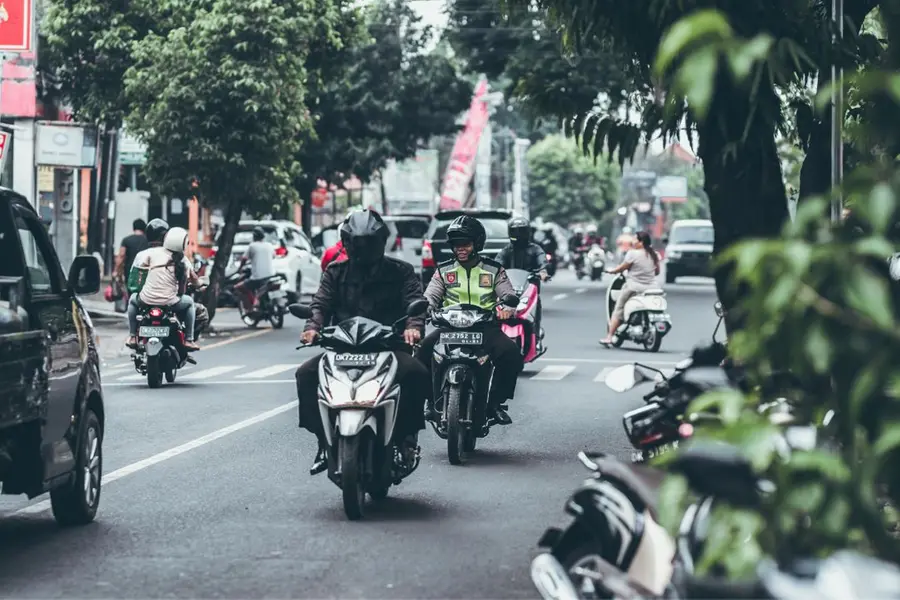
Selecting the right type of insurance for your bike is crucial. Third party bike insurance is a basic type of insurance mandatory in many jurisdictions that covers damages inflicted on a third party in case of an accident. It doesn't cover the damages sustained by your bike. On the other hand, comprehensive bike insurance offers more extensive coverage, providing compensation for third-party liabilities as well as damages to your bike due to an accident, theft, natural disaster, etc.
The decision between the two depends largely on the extent of coverage required, budget, and personal preference. Understanding the distinct features, benefits, and limitations of each can help you make an informed decision. Read on to learn more about the key differences between third-party and comprehensive bike insurance, to help you decide which one is a better buy for you.
What is third party bike insurance?
Third-party bike insurance, as mandated by the law, is the basic type of insurance coverage required for every vehicle plying on Indian roads. This policy offers coverage against damages or losses to a third party involved in an accident with your bike. If you cause an accident and another person is injured or their property damaged, your third party bike insurance will compensate them for their loss.
Understanding the benefits of third party bike insurance
Third party bike insurance offers crucial benefits to bike owners. It's more affordable compared to comprehensive insurance and shields you against legal repercussions by covering liabilities towards third-party damages. Whether you’ve caused an injury to another person or damaged their property, third-party insurance takes care of their compensation, preventing legal disputes.
Shortcomings of third party bike insurance
Third party bike insurance essentially covers the liability towards third party injuries and damages. However, its coverage limitation is a significant disadvantage. The policy only applies to the other party involved in the accident, ignoring any damages incurred by your vehicle or injuries suffered by you, the policyholder.
For instance, if your bike gets stolen, or if you get into an accident and your bike gets damaged, the third-party bike insurance will not bear any expenses related to the repair or replacement of your bike. Consequently, you'll have to shoulder the burden of these costs entirely, making the policy coverage quite insufficient. This scenario can pose a significant financial risk to the insured party.
What is comprehensive bike insurance?
Comprehensive bike insurance essentially acts as a complete shield for your vehicle, encompassing not just the mandatory third-party coverage, but also damages inflicted on your bike due to accidents, theft, natural calamities, or any unexpected incidents. In addition, this policy incorporates a personal accident cover, which is vital considering the risks involved in riding two-wheelers. In this coverage, the bike owner is provided with compensation for any bodily injuries disability, or death resulting from an accident. Thus, a comprehensive policy covers a wide spectrum of eventualities, securing the owner against unforeseen monetary liabilities, providing peace of mind, and ensuring a smoother ride in life.
Benefits of comprehensive bike insurance
Comprehensive bike insurance goes beyond the minimum required coverage, protecting a wide array of scenarios. Its primary benefit lies in its scope of coverage, including third-party liabilities, bike theft, and damages caused by natural calamities like floods, earthquakes, etc. In the unfortunate event of a personal accident, this policy can also cover medical expenses. In essence, it serves as a safety net, ensuring you are not hit by significant repair or replacement costs. Additionally, certain insurance providers offer added features like zero depreciation cover, engine protection cover, and accessories cover. These augmentations amplify the policy coverage, providing an added layer of financial security in case of unprecedented mishaps with your bike.
Downsides of comprehensive bike insurance
Comprehensive insurance coverage for bikes is undoubtedly expensive compared to third-party insurance, presenting a major drawback for budget-conscious bikers. These policies carry a higher premium, primarily because they provide a greater range of protection. They typically cover not just third-party liability but also any damage to your bike caused by accidents, theft, vandalism, natural disasters and other unforeseen events. Thus, while the upfront cost might seem steep, it's essentially an investment for enhanced protection in the long run.
Another potential downside is the amount of paperwork and administrative formalities involved with comprehensive insurance. This is largely because of the expansive nature of the policy, which demands greater scrutiny of your bike's condition, usage, and maintenance history, among others. It also implies you may need to allocate more time and patience for this process, compared to the relatively simpler procedures for obtaining third-party bike insurance. So, while comprehensive insurance can be advantageous, its cost and procedural complexities are valid factors to consider.
Choosing between third party and comprehensive bike insurance
A third-party insurance policy only covers liabilities towards the third party involved in a bike accident. In simpler terms, if you are responsible for causing damage to another person's bike or for injuring someone, third-party insurance will cover the costs. This insurance is generally cheaper than comprehensive insurance and is the minimal insurance coverage legally required in many countries.
However, comprehensive insurance goes beyond just third-party coverage. This policy covers losses due to theft, natural disasters, or any other damage to your bike, not caused by another party. Comprehensive insurance essentially gives you peace of mind as it is inclusive of personal accident cover that assures coverage for medical treatments in case you suffer an injury during an accident.
While the choice of policy can often be budget-driven, assessing the risks associated with your bike and considering your ability to pay out-of-pocket expenses for damages not covered by third party bike insurance is crucial in making the right decision.
Conclusion
Both third-party and comprehensive bike insurance have their unique set of pros and cons. The ultimate choice boils down to individual preferences, usage, and risk perception. As you decide, remember that a low-cost plan may not always be beneficial in the long run, especially if it leaves you open to significant risks. Thus, understanding your requirements, evaluating the offerings, and weighing your choices against potential risks is the ideal approach to picking the right insurance for your beloved two-wheeler.
Disclaimer: The above information is for illustrative purposes only. For more details, please refer to policy wordings and prospectus before concluding the sales.
Published: 11 Jan 2024, 06:09 pm IST
Related Topics
Disclaimer: Kindly avoid objectionable, derogatory, unlawful and lewd comments, while responding to reports. Such comments are punishable under cyber laws. Please keep away from personal attacks. The opinions expressed here are the personal opinions of readers and not that of Mathrubhumi.
