
Ease back pain with these 5 yoga poses. Improve posture, reduce stress, and boost well-being. Perfect for desk workers!
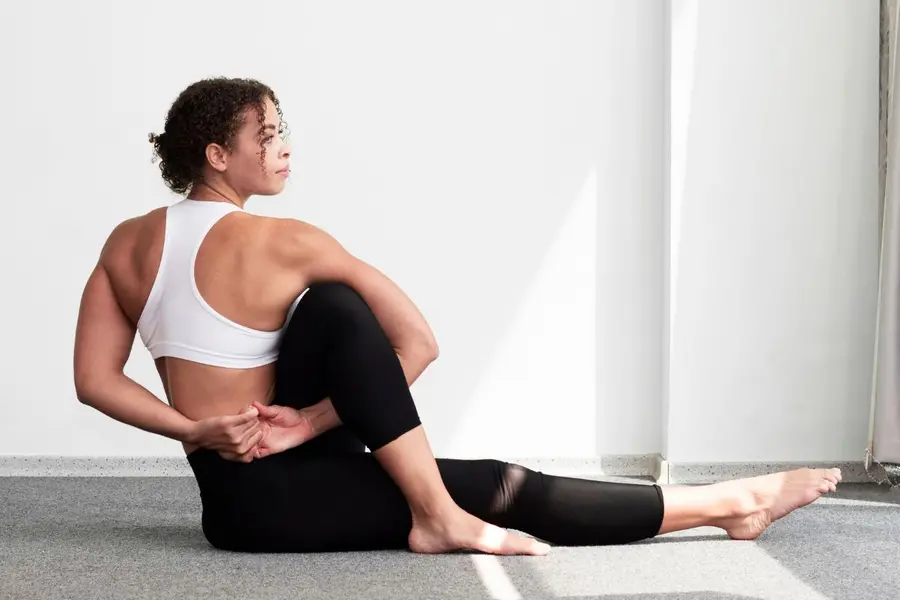
New Delhi: Sitting at a desk in a slouched position for long hours, combined with a lack of physical activity, has ensured that many of us suffer from back pain. Making yoga part of your daily routine could provide relief from the impact of bad posture and a sedentary lifestyle.
Contrary to popular knowledge, the benefits of yoga transcend weight loss and prevention of chronic illnesses. This International Yoga Day (June 21), here are some yoga poses to improve your posture and stretch the spine, improving both physical health and self-confidence in the process.
1. Knees to chest with slow rock (Apanasana)
Purpose: Relieves stress and muscle tension, and improves digestion.
How to do it: Lie on your back, bend your knees, and hug your knees using your hands in an attempt to bring them closer to your chest. Massage your back by slowly rocking from side to side. Ensure that you keep firmly holding on to your knees.
Why it helps: Concerned with the downward flow of energy in the body, Apanasana helps relieve indigestion and acidity, which are common issues faced by people following a sedentary lifestyle.
2. Legs up the wall pose (Viparita Karani)
Purpose: Improving blood circulation, relieving stress, and backache.
How to do it: Sit on the floor with one side of the body placed against a tall, straight wall. Bend your knees and bring your feet closer to your body. Lie down on your back on the floor. Place a rolled towel under the curve of the neck for support.
Move closer to the wall with the support of your hands such that your buttocks and the back of your thighs touch the wall. Swing your legs upright against the wall, using the wall for rest and support. Relax and focus on deep inhalations with your eyes closed.
Why it helps: By releasing tension in the lower back and stretching the hamstrings, Viparita Karani is known to provide relief from swollen ankles, varicose veins, and knee pain, and improve digestion.
3. Reclined supine twist (Supta Matsyedransana)
Purpose: Reduces muscle stiffness and relieves stress
How to do it: Lie down on the floor and bend your right knee, with the knee pointing toward the ceiling and feet firm on the floor. Place your arms perpendicular to your body, forming a T. Cross the right leg above your body toward the left and place it on the floor with the knee bent. Turn your head to the right and look at the fingertips of your right hand. Repeat on the left side.
Why it helps: Perfect to practise after a stressful day at work, the reclined supine twist calms the body and mind, enabling relaxation.
4. Cobra pose (Bhujangasana)
Purpose: Increase the strength and flexibility of the shoulders, spine, and pelvic muscles.
How to do it: Lie down on your belly, making sure your forehead and the top of your feet are touching the ground.
Place your palms on the sides of your shoulders, and push your body upwards from the hip, with your elbows placed close to the sides. Your belly button should be touching the ground. Try to straighten your elbows if you can and look towards the ceiling. Relax your shoulders by rounding them backwards and ensuring they don’t touch your ears.
Why it helps: Especially beneficial for those working at a desk throughout the day, the cobra pose stretches the upper body, improves circulation, and strengthens the back, possibly counteracting the effects of bad posture and sitting for long hours.
5. Downward-facing dog pose (Adho mukha svanasana)
Purpose: Enables a full body stretch, strengthens the shoulders and back, improves circulation, and provides relaxation.
How to do it: Stand on all fours with your wrists placed under your shoulders, fingers wide, and knees parallel to your hips. Lift your hips so that your body forms a V. Round your shoulders inward and place your feet hip distance apart. Relax and look at your navel. Do not let your chest or knees sag toward the floor.
Why it helps: By lengthening the spine and stretching the chest, it strengthens the entire body through stretching, relaxation, and improved blood flow, making it a perfect addition to your daily routine.
Disclaimer: If you have a medical condition, injury, or are pregnant, please consult a qualified yoga instructor or your healthcare provider before starting these poses.
Published: 19 Jun 2025, 09:19 pm IST
Disclaimer: Kindly avoid objectionable, derogatory, unlawful and lewd comments, while responding to reports. Such comments are punishable under cyber laws. Please keep away from personal attacks. The opinions expressed here are the personal opinions of readers and not that of Mathrubhumi.
