

The surprise surrounding Henry Moder's 19th birthday was not his age, but how little the public knows about him.
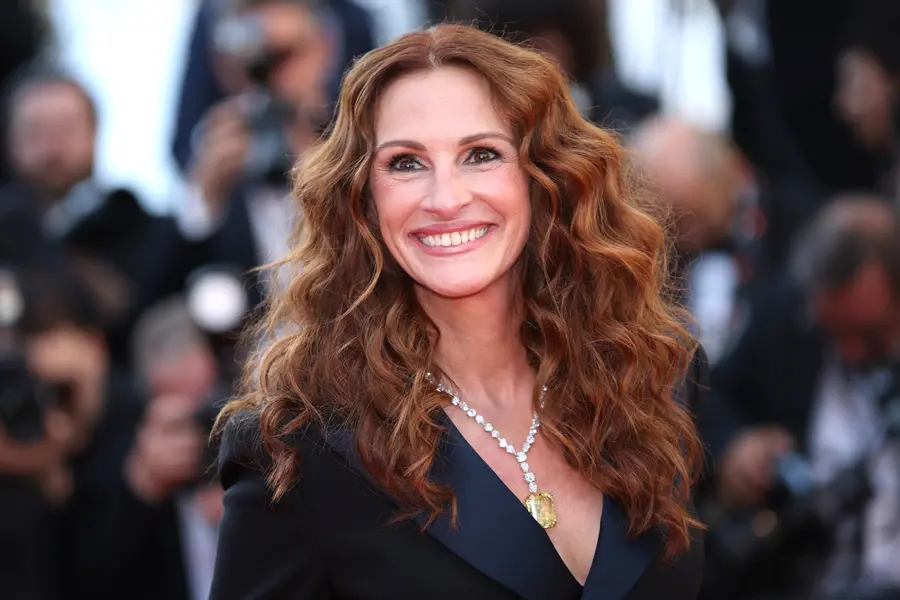
When photos of Henry Moder surfaced around his 19th birthday, many people had the same reaction. Julia Roberts has a 19-year-old son?
The surprise isn’t about Henry. It is about modern celebrity culture.
We live in an era where children often arrive online before they arrive at school. Parents document first steps, birthdays and graduations instantly. Celebrity children, in particular, are frequently treated as public figures long before they become adults.
That is what makes the Roberts-Moder family different.
For nearly two decades, Julia Roberts and her husband Danny Moder have kept their children largely out of the spotlight.
Roberts has spoken about simple household rules, including a charging station for phones and device-free family meals. The goal was not to reject technology but to make sure it did not dominate family life.
Their approach stands out because it shows a broader idea about how children do not need to be visible to be valued.
In India, Anushka Sharma and Virat Kohli have taken a similar position, repeatedly asking photographers not to publish images of their children. Their reasoning was straightforward. They wanted their children to decide for themselves how public they wanted their lives to be.
It is a question many parents now face, even outside celebrity circles.
Every photo shared online becomes part of a child's digital history. While most parents post out of pride rather than publicity, children rarely get a say in the online identities being built for them.
That does not mean parents should stop sharing family moments altogether. It simply means asking whether every milestone needs an audience.
Perhaps that is why Henry Moder's birthday attracted so much attention. In a culture that rewards visibility, a young adult reached 19 before the internet felt it knew him.
Maybe the real story is not that Julia Roberts has a grown-up son. It is that she gave him the chance to grow up before the world started watching.
For years, parents have worried about what kind of world they are leaving for their children. Increasingly, another question feels just as important, what kind of childhood are they leaving online behind them?
Published: 21 Jun 2026, 05:30 pm IST
ABOUT THE AUTHOR
Disclaimer: Kindly avoid objectionable, derogatory, unlawful and lewd comments, while responding to reports. Such comments are punishable under cyber laws. Please keep away from personal attacks. The opinions expressed here are the personal opinions of readers and not that of Mathrubhumi.