
Read more to learn about screening, self-exams, and why acting now is crucial for women’s health
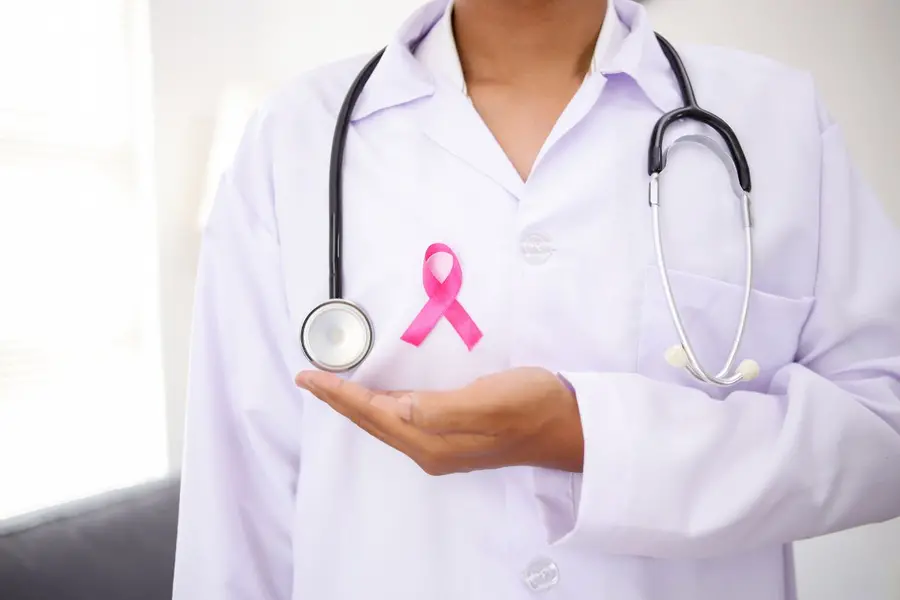
Every October, the world turns pink in recognition of Breast Cancer Awareness Month. Yet, beyond the ribbons and campaigns lies a message that can save lives: spot it early. Early detection remains the most powerful tool in the fight against breast cancer, especially for women in Kerala, where awareness is rising but timely screening often lags behind.
The rising concern
Breast cancer is now the most common cancer among women in India, and Kerala is no exception. It accounts for nearly one in every three female cancers (34 percent). According to recent estimates, by 2030, Kerala may see around 45,000 new cancer cases in women annually, with breast cancer leading the list.
The state’s advanced healthcare system ensures better diagnosis and reporting, but it also reveals a sobering truth: an increasing number of cases are being detected, and many still present in advanced stages.
Lifestyle changes, delayed childbirth, obesity, and reduced breastfeeding duration are among the factors contributing to this growing trend.
What makes this particularly concerning is that early-stage breast cancer is highly curable, with survival rates exceeding 90 percent when detected and treated promptly. Late detection, however, often limits treatment options and significantly lowers survival chances.
Why early detection matters
Breast cancer develops silently. In its initial stages, it may not cause pain or noticeable symptoms. That is why awareness, knowing what to look for and when to seek help, becomes crucial.
Regular self-breast examination, clinical check-ups, and mammography after the age of 40 (or earlier in high-risk women) can help identify changes before they progress. A simple monthly self-examination can help women become familiar with the normal look and feel of their breasts.
Any persistent lump, skin dimpling, nipple discharge, or change in shape should prompt immediate medical attention. It is not about fear; it is about taking control.
Kerala’s edge and challenge
Kerala has one of the highest literacy rates in India and a strong public health network. These are powerful tools for spreading awareness. However, social hesitation, stigma, and the myth that “cancer means death” still prevent many women from seeking screening.
In rural areas, access to mammography and oncology consultation remains limited, despite improved infrastructure. To bridge this gap, both government and private healthcare institutions have been organising awareness drives, free screening camps, and mobile mammography units. Local self-help groups and Kudumbashree networks also play a vital role in educating women at the grassroots level.
Empowering change
Awareness is not just about knowing; it is about acting. Each woman must understand that her health is her right and her responsibility. Regular screening should become as routine as checking blood pressure or sugar levels.
Family members too must encourage and support women in getting screened. Healthcare professionals, media, and schools can work together to spread this message beyond October, into every month, every home, and every heart.
A call to action
Breast cancer caught early is beatable. Kerala, with its strong health culture, can lead the way by normalising conversations around breast health and making screening a part of preventive healthcare. So this October, let us go beyond awareness. Let us act. Let us talk. Let us remind every woman: your life matters.
What we can do to spot it early
Monthly self-breast examination (SBE)
Every woman above 20 should learn to perform a self-exam once a month, preferably a week after menstruation. Becoming familiar with one’s body helps notice any unusual lump, nipple discharge, or skin change early.
Clinical breast examination (CBE)
Women above 30 should undergo a breast examination by a trained healthcare worker every one to two years. Kerala’s community-based “Kannapuram Model” showed that such local screening programmes can achieve 96 percent participation and help detect cancers earlier.
Mammography screening
For women above 40, mammograms remain the gold standard for early detection. Mobile mammography units and affordable screening camps can make this accessible even in rural areas.
Community awareness and support
Local initiatives through Kudumbashree, panchayats, and NGOs can help break stigma and spread awareness. Encouraging open conversations about breast health is key to overcoming fear and misconceptions.
Policy and infrastructure
Integrating breast screening into Kerala’s primary healthcare system through Health and Wellness Centres can ensure that every woman has access to preventive care, not just treatment.
Kerala’s strong literacy rate and healthcare network give it a unique advantage. But awareness alone is not enough; it must translate into action. Families, communities, and healthcare professionals must encourage regular check-ups and ensure women are not delayed by fear or stigma.
This October, as the world turns pink, let Kerala take a step further. Let us make breast health a year-round conversation in homes, schools, and workplaces. Because when detected early, breast cancer is not a sentence; it is a story of survival and strength.
-Dr. Shabin K. Sidhique is a Specialist in Department of Radiation Oncology, KIMSHEALTH, Thiruvananthapuram
Published: 20 Oct 2025, 03:26 pm IST
Disclaimer: Kindly avoid objectionable, derogatory, unlawful and lewd comments, while responding to reports. Such comments are punishable under cyber laws. Please keep away from personal attacks. The opinions expressed here are the personal opinions of readers and not that of Mathrubhumi.
