
Worried about a two-day period? Health expert explains why short menstrual bleeding can be completely normal, what your cycle length really tells you, and when it’s time to see a doctor
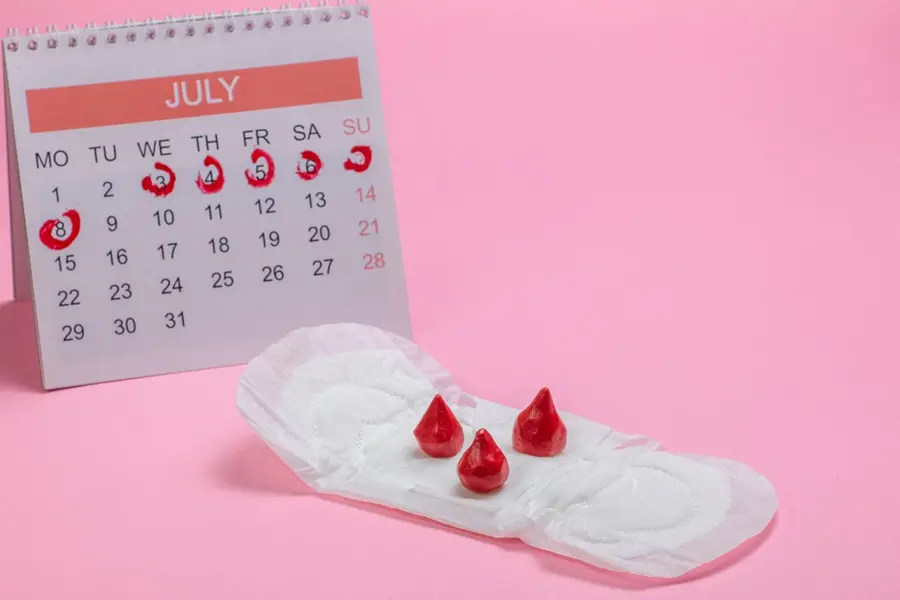
Periods can be unpredictable, and it’s easy to worry when your cycle doesn’t match what you see online or hear from friends. But bleeding for just a couple of days isn’t automatically a sign that something is wrong.
Dr Tanaya Narendra (Dr Cuterus), an Oxford-trained embryologist and sexual health educator, explains what a healthy menstrual cycle looks like, helping you separate myths from facts and understand what truly matters for your reproductive health.
Understanding the normal menstrual window
There are many misconceptions about how many days a period should last. Dr Narendra explains that bleeding lasting only two days is not inherently dangerous. Periods can range anywhere from two to seven days, and as long as the cycle occurs within a gap of 21 to 35 days, it is considered normal.
She emphasises that short bleeding is not a sign that the body is in trouble, and people should not panic over cycles shorter than the conventional “five to seven days” often cited online.
When should you consult a doctor?
While a period lasting two days is generally not a concern, medical advice is necessary if the menstrual cycle becomes irregular.
A cycle shorter than 21 days or longer than 35 days, or if a period fails to appear for 40 to 50 days, may indicate an underlying issue.
She highlights that both unusually short and prolonged cycles can be caused by a variety of factors, including hormonal imbalances or other medical conditions, which may also affect the heaviness, duration, and regularity of menstrual flow.
The role of medical evaluation
For those experiencing irregularities in their cycle, undergoing hormone tests or physical examinations can help doctors identify the root cause. Experts stresses the importance of relying on professional medical guidance rather than social media speculation.
Understanding the biology behind the menstrual cycle can help people separate myths from facts and maintain confidence in their reproductive health.
Key takeaways
- Menstrual bleeding of two to seven days is considered normal.
- Cycle gaps of 21 to 35 days indicate a healthy cycle.
- Consult a doctor if cycles are shorter than 21 days, longer than 35 days, or absent for extended periods.
- Irregularities may stem from hormonal or health conditions and require proper evaluation.
Disclaimer:This article is intended for informational and educational purposes only. It is not a substitute for professional medical advice, diagnosis, or treatment. Always consult a qualified healthcare provider regarding any questions or concerns
Published: 09 Dec 2025, 07:59 pm IST
Related Topics
Disclaimer: Kindly avoid objectionable, derogatory, unlawful and lewd comments, while responding to reports. Such comments are punishable under cyber laws. Please keep away from personal attacks. The opinions expressed here are the personal opinions of readers and not that of Mathrubhumi.
