
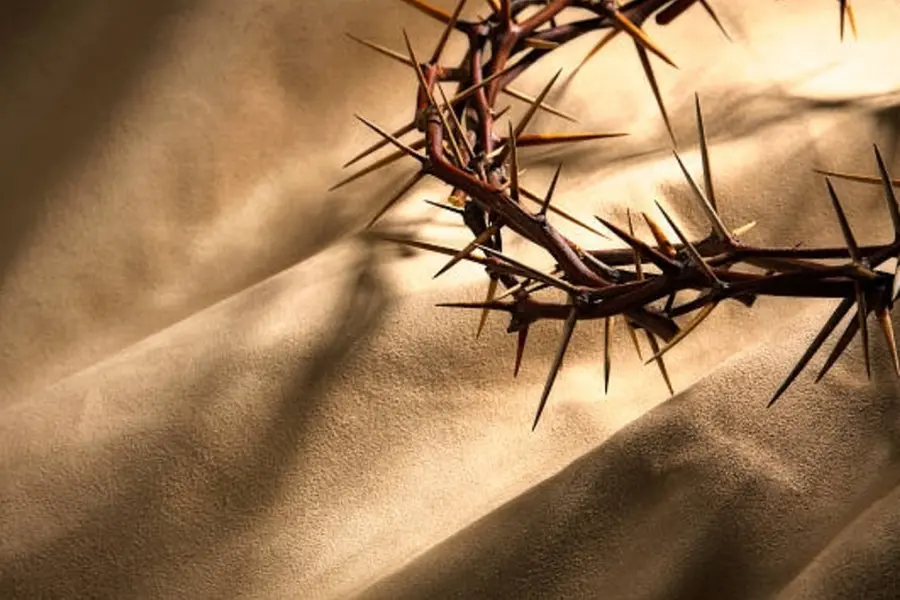
At first glance, the term “Good Friday” seems paradoxical. It marks the day Jesus Christ was crucified—a painful and humiliating death by Roman execution. For many, the natural assumption is that such a day should be called something sombre or sorrowful, not “good.” Yet for over a millennium, this day has carried that name in the English-speaking Christian world. The reasons for this are both theological and linguistic.
A day of sacrifice, not defeat
From a Christian theological perspective, Good Friday is good because of what it represents: the ultimate act of love, sacrifice, and redemption. Christians believe that Jesus, the Son of God, willingly gave up his life to atone for the sins of humanity. According to the New Testament, his death was not a defeat but a divine plan to offer salvation to all. By dying on the cross, Jesus is believed to have conquered sin and death, offering believers the promise of eternal life.
This act of profound selflessness is why many Christians view Good Friday as “good.” It is not the suffering or the crucifixion itself that is celebrated, but the spiritual outcome of that suffering—what it made possible for humanity.
"Good" meant "Holy" in older English
The second explanation lies in the evolution of the English language. In early English usage, the word “good” often had a broader meaning. Linguists and historians point out that in Old and Middle English, “good” could also mean “holy” or “pious.” This interpretation is consistent with other archaic phrases—such as “Goodbye,” which originated from “God be with ye.”
It’s likely that “Good Friday” originally meant “Holy Friday,” and the modern meaning of “good” as something pleasurable or positive is not what was originally implied. Over time, the older meaning faded from everyday use, but the term "Good Friday" persisted.
Global terminology points to holiness and sorrow
Interestingly, other languages have retained this original intent more clearly:
- In German, the day is called Karfreitag, which means “Sorrowful Friday.”
- In Spanish, it is Viernes Santo, which translates to “Holy Friday.”
- In French, it is Vendredi Saint, again meaning “Holy Friday.”
- In Malayalam, spoken in Kerala, India, it is called Dukha Velli, which literally means “Sorrowful Friday.”
These names reflect the solemnity of the occasion without causing confusion about the word “good.” English, however, chose a different path—possibly for theological emphasis on redemption.
Liturgical importance and observance
In Christian liturgy, Good Friday is a day of mourning, but also one of reverence and profound significance. Churches conduct quiet, solemn services, often involving the reading of the Passion narrative, veneration of the cross, and periods of silence. In Catholic and many Protestant traditions, the Eucharist is not celebrated on this day, marking it as uniquely sacred and solemn.
In India, particularly in states with significant Christian populations like Kerala, Goa, and the Northeast, Good Friday is observed with fasting, prayer, and re-enactments of the crucifixion. These deeply symbolic rituals reinforce the gravity of the event while also underscoring the hope it leads to—the resurrection of Easter Sunday.
Good Friday is “good” not because of what happened, but because of what that event means in Christian belief. It is a day that commemorates the darkest moment in the life of Jesus Christ, but also the beginning of the greatest hope in Christian theology—the promise of redemption and eternal life. The term “good” reflects not happiness, but sacredness and salvation.
Understanding this layered meaning allows both Christians and non-Christians to see Good Friday as more than a historical or religious observance—it becomes a moment to reflect on the deeper values of sacrifice, forgiveness, and renewal.
Published: 18 Apr 2025, 07:35 am IST
Related Topics
Disclaimer: Kindly avoid objectionable, derogatory, unlawful and lewd comments, while responding to reports. Such comments are punishable under cyber laws. Please keep away from personal attacks. The opinions expressed here are the personal opinions of readers and not that of Mathrubhumi.
