
A quirky-sounding trend called ‘Shrekking’ has taken over the dating world, but relationship experts caution that behind its fairy-tale name lies a pattern that can leave people disillusioned and hurt.
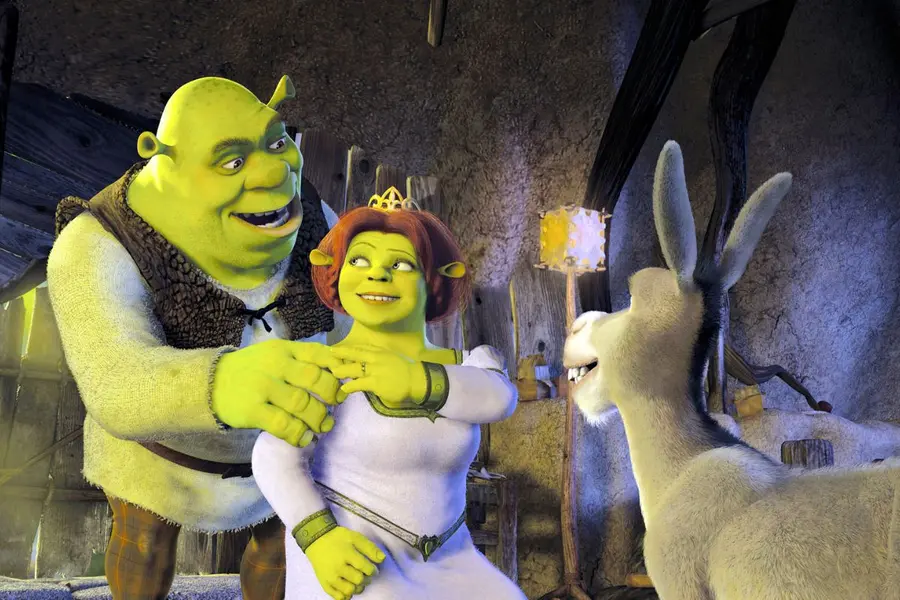
A new term has emerged in the dating world, and while it may sound playful, experts say it carries troubling undertones. The trend, called “Shrekking,” borrows its name from the beloved animated character Shrek, but in practice, it has little to do with fairy-tale romance.
What does ‘Shrekking’ mean?
“Shrekking” refers to dating someone you are not physically attracted to in the hope that the person will treat you better. The idea is loosely inspired by the story of Princess Fiona and Shrek, where love overcame appearances. But according to experts, the reality often plays out differently.
According to USA Today, when someone ends up getting “Shrekked,” it means the partner they lowered their standards for still ends up hurting them. As Amy Chan, dating coach and author of ‘Breakup Bootcamp: The Science of Rewiring Your Heart’, explains: “In this plotline, you're dating an ogre without the princess treatment.”
She adds: “The term might be new, but the behaviour isn’t. Plenty of people have put looks lower on the list or hoped attraction would grow over time, and that in itself isn’t a bad thing. Where it backfires is when someone assumes that just because they’re dating ‘down’ in looks, they’ll automatically be treated better.”
Why is it becoming a trend?
Chan says the rise of such vocabulary shows how frustrated many people feel about dating today. “Modern dating has gotten so complicated that we need new words just to describe what's happening to us,” she says. “It's like we've made dating struggles part of our public conversation in a way that just didn't happen before.”
Experts note that younger generations, in particular, are trying to make sense of their experiences by coining terms like “Shrekking,” which reflect shared frustrations and challenges in relationships.
What’s the problem with ‘Shrekking’?
Relationship experts warn that the term itself reinforces a problematic idea: that appearance can predict how someone will behave in a relationship. Emma Hathorn, relationship expert at Seeking.com, points out that “appearances don't reveal someone's character − and anyone who treats you poorly, no matter what they look like, should be seen as unattractive in your eyes.”
Hathorn also cautions that the fear of being “Shrekked” may discourage people from dating outside their usual type. “The idea is that you stepped outside your comfort zone, but instead of being rewarded with growth or connection, you wound up regretting the experience,” she says. “When two people are genuinely driven towards a similar goal and values, they can find an attraction in each other that surprises them and refutes the shallower factors like physical type and societal expectations.”
What to do if you get ‘Shrekked’?
Experts say the answer isn’t to go back to only dating conventionally attractive partners, but to redefine what truly matters in a relationship. Chan advises: “For those who've been 'Shrekked,' the goal isn't to retreat back to only dating conventionally attractive people; it's to develop better assessment skills for character, values and emotional availability regardless of what package they come in. Physical attraction matters in romantic relationships, but it shouldn't be the inverse predictor of good treatment that some people assume it to be.”
While “Shrekking” may sound like a quirky addition to the modern dating dictionary, experts stress that it highlights deeper issues of expectation, perception and self-worth in relationships—ones that go far beyond looks.
Published: 23 Aug 2025, 09:47 am IST
Related Topics
Disclaimer: Kindly avoid objectionable, derogatory, unlawful and lewd comments, while responding to reports. Such comments are punishable under cyber laws. Please keep away from personal attacks. The opinions expressed here are the personal opinions of readers and not that of Mathrubhumi.
